c1700-c1900: 18th and 19th century Britain (Edexcel GCSE History): Revision Notes
📚Revision Notes
Robert Peel and criminal justice reform

Robert Peel emerged as one of the most influential figures in transforming Britain's approach to crime and punishment during the early 19th century. As Home Secretary in the 1820s, he introduced sweeping reforms that fundamentally changed both how criminals were punished and how crime was prevented.
Note
Peel's reforms came at a critical time when Britain's criminal justice system was widely regarded as both cruel and ineffective, making his contributions particularly significant in shaping modern policing and criminal justice principles.
Background and significance
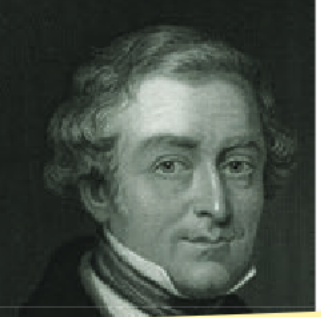
Robert Peel (1788-1850) served as Home Secretary during a crucial period when Britain's criminal justice system desperately needed modernisation. The existing system, known as the Bloody Code, was becoming increasingly unpopular and ineffective. Peel recognised that harsh punishments alone were not deterring crime and that a more systematic approach was needed.
Important
The Bloody Code represented one of the harshest legal systems in European history, with over 200 crimes punishable by death. This excessive severity was creating more problems than it solved, leading to public opposition and inconsistent application by judges.
Reforming the penal code
The problem with the Bloody Code
After 1810, Britain faced an unprecedented rise in capital crimes. The legal system had become extremely harsh, with someone potentially receiving the death penalty for murder and petty theft alike. This created a system that many people, including judges, found unfair and disproportionate.
In practice, the death penalty was rarely applied to minor crimes because judges considered it unjust. Many criminals were transported to colonies or imprisoned instead. This inconsistency meant that the penal code made little practical sense and failed to serve as an effective deterrent.
Peel's reforms in 1823
Recognising these problems, Peel took decisive action in 1823 by reducing the number of capital crimes by 100. His approach focused on two key principles:
- Creating less harsh punishments for petty crimes that better matched the severity of the offence
- Attempting to reform petty criminals through rehabilitation rather than simply executing them
This marked a significant shift towards a more proportionate and humane justice system that aimed to reduce reoffending rates.
Example
Worked Example: Impact of Peel's 1823 Reforms
Before 1823: A person caught stealing goods worth more than 5 shillings could face the death penalty, the same punishment as a murderer.
After 1823: The same thief would face transportation or imprisonment - a punishment that matched the severity of the crime and offered opportunity for reform.
Result: Judges became more willing to convict because the punishment was proportionate, leading to more consistent application of justice.
Prison reform
Peel's reforms extended beyond just changing punishments to improving conditions within the prison system itself. Working alongside reformers like Elizabeth Fry, he successfully lobbied Parliament to pass the 1823 Gaols Act, which introduced several important changes:
- Regular chaplain visits: Prisoners would receive spiritual guidance and moral instruction
- Paid gaolers: Prison staff would be properly compensated, reducing corruption and improving standards
- Removal of chains: Prisoners would no longer be kept in chains, recognising their basic human dignity
Important
Major Limitation of Prison Reforms
The impact of these prison reforms was limited because there were no inspectors appointed to ensure prisons actually followed the new rules. Many institutions continued operating as before, highlighting the gap between legislation and implementation.
The Metropolitan Police Act, 1829
Creating a professional police force
Peel's most lasting contribution came through the Metropolitan Police Act of 1829, which established London's first professional police force. This groundbreaking legislation emerged from Peel's earlier work in 1822, when he set up a parliamentary committee to investigate policing in London.
The committee's findings revealed the urgent need for a centralised police force covering the entire city. The economic problems following the end of the Napoleonic Wars in 1815 had led to increased crime rates, and the traditional system of amateur constables and watchmen was proving inadequate.
Characteristics of the new Metropolitan Police
The Metropolitan Police officers, nicknamed "Peelers" after their creator, operated according to carefully planned principles:

Training and recruitment: Officers were carefully selected and received proper training. This was a full-time, well-paid profession that attracted quality candidates rather than relying on volunteers or part-time workers.
Approach to policing: The central aim was crime prevention and maintaining order through an impartial and objective approach. Officers focused on patrolling areas where crime rates were high, which successfully reduced street crime and disorder.
Use of force: Members were typically unarmed and trained to use minimum physical force, only as a last resort. This helped distinguish them from military forces and made them more acceptable to the public.
Professional appearance: Officers wore uniforms to make them easily identifiable, though these were designed not to look like military uniforms to avoid public hostility.
Public acceptance: While initially unpopular, the Metropolitan Police gradually gained recognition from the public as they demonstrated honesty and trustworthiness in their daily work.
Note
The success of the Metropolitan Police model was so significant that it became known as the "British Model" of policing and was adopted by police forces across the British Empire and beyond, influencing law enforcement worldwide.
Timeline of key events
- 1822: Peel establishes parliamentary committee to investigate London policing
- 1823: Gaols Act passed, reforming prison conditions
- 1823: Peel reduces capital crimes by 100 offences
- 1829: Metropolitan Police Act creates London's first professional police force
Impact and significance
Peel's reforms represented a fundamental shift in British attitudes towards crime and punishment. Rather than relying solely on harsh deterrents, his approach emphasised prevention, proportionate punishment, and rehabilitation. The Metropolitan Police model proved so successful that it was gradually adopted across Britain and influenced police forces worldwide.
The changes also reflected broader social developments, including growing humanitarian concerns and the influence of Enlightenment thinking about criminal justice. Peel's work helped establish the principle that effective law enforcement required professional, trained officers working systematically rather than simply increasing the severity of punishments.
Summary
Key Points to Remember:
- Robert Peel served as Home Secretary in the 1820s and transformed British criminal justice through systematic reforms
- The 1823 reforms reduced capital crimes by 100 and introduced the Gaols Act to improve prison conditions
- The Metropolitan Police Act of 1829 created London's first professional police force, nicknamed "Peelers"
- Peel's approach emphasised crime prevention, proportionate punishment, and professional law enforcement over harsh deterrents
- These reforms marked a shift towards more humane and effective criminal justice that influenced systems worldwide