Consequences of the English victory (Edexcel GCSE History): Revision Notes
📚Revision Notes
Consequences of the English victory
The defeat of the Spanish Armada in 1588 was one of the most significant events of Elizabeth I's reign. Understanding why the English won helps us see the important consequences that followed from this victory.
Why England defeated the Spanish Armada
The English victory wasn't due to just one factor, but several key reasons working together that ultimately led to major consequences for both England and Europe.
Communication and coordination failures
The Spanish faced serious problems coordinating their attack. The Duke of Parma, who was supposed to lead the land invasion from the Netherlands, couldn't communicate properly with the Duke of Medina-Sidonia, who commanded the Armada fleet.
Important
This breakdown happened because the Dutch rebels controlled key ports, and there were no suitable deep-water harbours where the large Spanish ships could safely dock. The Spanish-occupied Netherlands couldn't provide the meeting point that Parma's army needed, forcing them to use smaller ships that made communication extremely difficult.
Superior English naval technology and tactics
English ships proved far more effective in battle than their Spanish counterparts. The English had developed better naval technology, mounting their cannons on smaller, more manoeuvrable gun carriages compared to the Spanish ships. This meant English vessels could reload and fire much more quickly, giving them a significant advantage in sea battles.
Example
Naval Tactical Advantage in Action
The English used superior tactics, getting close enough to Spanish ships to cause serious damage while staying far enough away to avoid being boarded by Spanish soldiers. This "stand-off" approach maximised their firepower advantage while minimised their vulnerability to Spanish boarding parties.
Spanish supply problems and poor preparation
The Spanish Armada faced severe logistical challenges that weakened their fighting ability. The fleet had been at sea for approximately 10 weeks by early August, and their food supplies had begun to rot. This damaged Spanish morale and reduced their physical capacity to fight effectively.
Note
The long journey without proper resupply opportunities left the Spanish forces in a weakened state when they needed to be at their strongest. This highlights how crucial logistics are in military campaigns.
Effective English naval leadership
Sir Francis Drake's use of fireships before the Battle of Gravelines proved to be a crucial tactical decision. These burning ships sent towards the Spanish fleet caused panic among Spanish captains, who cut their anchor chains and allowed their ships to drift away from their defensive formation.
Example
The Fireship Tactic
Drake sent burning ships towards the Spanish fleet at night. The Spanish captains, fearing these were explosive "hellburners," panicked and cut their anchor chains. This broke up the tight defensive arrangement that had previously protected the Spanish fleet, leaving individual ships vulnerable to English attack.
The Battle of Gravelines turning point
The Battle of Gravelines became the decisive moment where English tactics proved superior. Many Spanish captains panicked during this engagement, cutting their anchor ropes and allowing their vessels to drift into the North Sea.
Important
This marked the point where Spanish naval discipline began to collapse, and their invasion plans became impossible to continue. The battle effectively ended Spanish hopes of successfully invading England.
Weather conditions
Severe gale-force winds played a crucial role in the final defeat of the Spanish Armada. These storms caused most of the destruction to Spanish ships as they attempted to return home around the coast of Scotland and Ireland.
Note
Many Spanish vessels were wrecked off the western coast of Ireland, completing the destruction that English naval action had begun. Weather proved to be as deadly an enemy as the English navy itself.
Major consequences of the English victory
Political and diplomatic impact
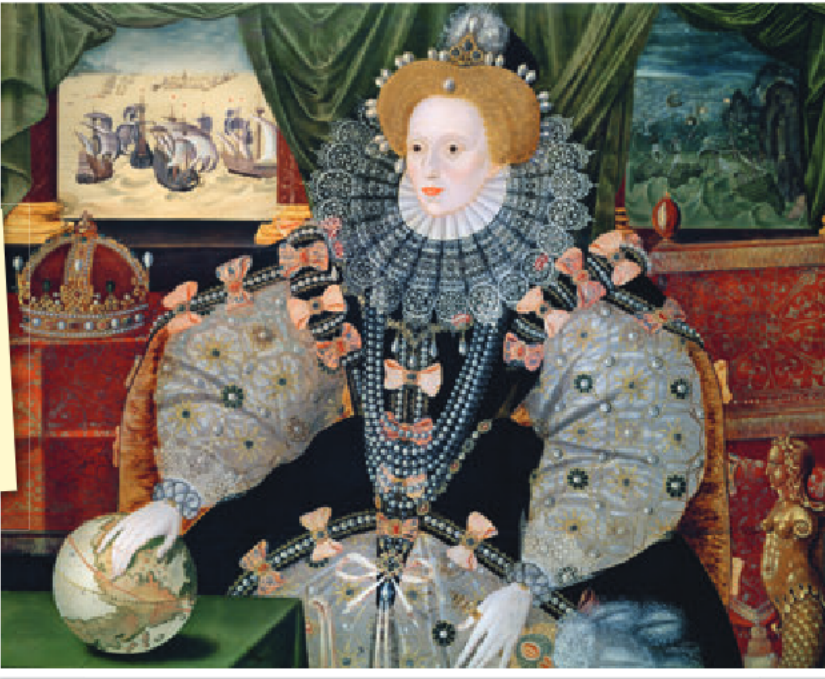
Elizabeth I gained enormous prestige from the victory, both domestically and internationally. The defeat of Europe's most powerful Catholic monarch demonstrated that Protestant England could defend itself successfully. This victory strengthened Elizabeth's position among European rulers and showed that Philip II's power had limits.
Naval supremacy establishment
The victory marked the beginning of English naval dominance that would continue for centuries. It proved that English ship design, tactics, and seamanship were superior to traditional methods. This success encouraged further English maritime ventures and exploration.
Economic consequences
The defeat of the Armada removed the immediate threat of Spanish invasion, allowing English trade and commerce to flourish. English merchants could operate more freely, and the victory encouraged investment in naval ventures and overseas exploration.
Religious significance
The victory was seen as divine approval of Protestant England over Catholic Spain. This strengthened Protestant identity in England and reduced Catholic hopes of restoration under foreign intervention.
Timeline of key events
- 1588 (July): Spanish Armada sighted off English coast
- July-August 1588: Running battles up the English Channel
- August 1588: Battle of Gravelines - decisive English victory
- August-September 1588: Spanish fleet retreats around Scotland
- September-October 1588: Storm destruction of Spanish ships off Irish coast
Summary
Key Points to Remember:
-
Multiple factors combined: English victory resulted from superior tactics, technology, leadership, and favourable weather conditions working together
-
Spanish coordination failed: Communication problems between the Duke of Parma and Duke of Medina-Sidonia severely hampered Spanish effectiveness
-
English naval innovation: Better ship design and cannon placement gave England crucial tactical advantages in sea battles
-
Psychological impact was huge: The victory established England as a major European power and boosted Protestant confidence across Europe
-
Long-term consequences: This victory began England's rise as a dominant naval power that would shape world history for centuries