Virgin Queen: character and strengths (Edexcel GCSE History): Revision Notes
📚Revision Notes
Elizabeth I as the 'Virgin Queen': character and strengths
Understanding the Virgin Queen concept
When Elizabeth I became queen in 1558, she faced the challenge of being an unmarried female ruler in a male-dominated world. The term "Virgin Queen" referred to Elizabeth's decision to remain unmarried throughout her reign. Many people at the time believed that women could not rule effectively without a husband's guidance.
Note
However, Elizabeth turned this apparent weakness into one of her greatest strengths by demonstrating that she possessed all the qualities needed to govern England successfully on her own. This transformation from perceived weakness to actual strength became a defining characteristic of her reign.
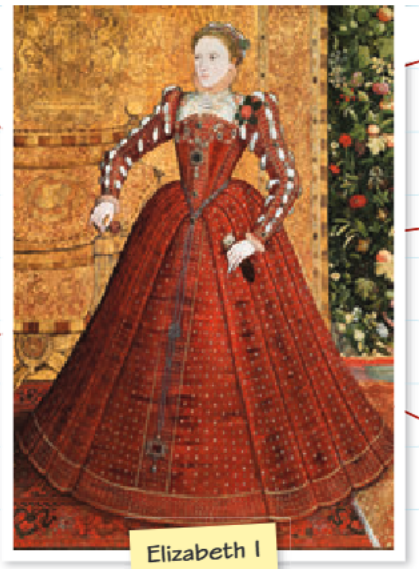
Elizabeth's personal qualities and leadership strengths
Elizabeth possessed several key characteristics that made her an effective monarch. Her confident and charismatic personality allowed her to connect with both her subjects and members of Parliament, winning their support through her personal appeal. This ability to charm and influence people proved crucial in maintaining political stability.
Her exceptional education set her apart from many of her contemporaries. Elizabeth could speak multiple languages fluently, including Latin, Greek, French, and Italian. This linguistic ability helped her in diplomatic negotiations and demonstrated her intellectual capacity to foreign ambassadors and rulers.
Elizabeth showed remarkable political understanding throughout her reign. She had an excellent grasp of how politics worked, understanding the interests and ambitions of her subjects. This knowledge enabled her to use patronage effectively - rewarding loyal supporters with lands, jobs, and titles to maintain their allegiance and build a network of wealthy, influential allies.
Despite facing numerous challenges, including accusations of treason and potential execution during her sister Mary's reign, Elizabeth demonstrated extraordinary resilience. Her experiences in the Tower of London and the constant threat of death had prepared her to handle the immense pressures that came with ruling England during this turbulent period.
Reinventing royal authority
Elizabeth cleverly transformed the traditional expectations of monarchy to suit her circumstances. Rather than viewing her unmarried status as a disadvantage, she argued that marriage was unnecessary for effective rule. She promoted the idea that she could govern England independently, without needing a husband to share or guide her authority.
This approach challenged centuries of tradition about female rulers. Elizabeth successfully convinced many of her subjects that she was not an "ordinary" woman bound by conventional expectations, but rather an exceptional monarch chosen by God to lead England.
Important
Elizabeth's ability to redefine royal authority represented a revolutionary approach to monarchy. By rejecting the traditional view that female rulers needed male guidance, she established a new model of independent female leadership that would influence perceptions of royal authority for generations.
Creating a powerful royal image
Throughout her reign, Elizabeth carefully crafted her public image through what we now call propaganda. She consistently presented herself as a strong, legitimate, and popular ruler who was symbolically "married" to England rather than to any individual man.
Royal portraits and public appearances reinforced this message. Paintings like the one shown depicted Elizabeth as confident, legitimate, and independent - a monarch who needed no husband because her primary relationship was with her country and her people.
This propaganda campaign helped convince both English subjects and foreign rulers that Elizabeth's unmarried status actually strengthened rather than weakened her position as queen.
Key historical concepts
Charismatic leadership refers to a ruler's ability to use personal appeal and charm to win people's loyalty and support.
Legitimate rule means having both legal and moral authority to govern, which Elizabeth claimed through her royal bloodline and Protestant faith.
Divine right was the belief that God personally chose monarchs to rule, making opposition to the crown equivalent to opposing God's will. Successful rulers like Elizabeth claimed divine approval for their actions to strengthen their authority.
Protestant Christianity had emerged during the Reformation beginning in 1517, when reformers like Martin Luther broke away from the Roman Catholic Church's authority, leading to religious conflicts across Europe.
Royal patronage was the monarch's power to grant land, positions, and titles to reward supporters, creating networks of wealthy allies who benefited from royal favour.
Timeline of key events
Note
This timeline shows the key dates in Elizabeth's transformation from vulnerable princess to powerful Virgin Queen, highlighting how she turned her unmarried status into a source of strength over her 45-year reign.
- 1558: Elizabeth becomes Queen of England at age 25
- 1517: Protestant Reformation begins (background context)
- 1558-1603: Elizabeth's 45-year reign as the Virgin Queen
Summary
Summary
Key Points to Remember:
- Elizabeth transformed being unmarried from a weakness into a strength by arguing she was "married" to England
- Her charismatic personality and excellent education helped her win support from subjects and Parliament
- She used effective propaganda to present herself as a strong, legitimate, and independent ruler
- Her political skills and use of patronage created networks of wealthy, loyal supporters
- The concept of divine right helped justify her authority as God's chosen monarch