The experience of the Huguenots (Edexcel GCSE History): Revision Notes
📚Revision Notes
The experience of the Huguenots

The Huguenots were French Protestant refugees who fled religious persecution in France and sought safety in England during the late 17th and early 18th centuries. Their experience in England represents one of the most successful examples of migrant integration during the early modern period, particularly in transforming England's textile industry.
The great migration to England
Between 1670 and 1710, approximately 40,000 to 50,000 Huguenots escaped from France to England. This massive wave of migration was triggered by increasing religious persecution in Catholic France, culminating in the revocation of the Edict of Nantes in 1685, which had previously protected Protestant rights.
Most Huguenots chose to settle in London, with the majority establishing themselves in Spitalfields, located in the East End. A smaller number settled in the fashionable Soho area, but Spitalfields became so closely associated with the Huguenot community that it earned the nickname "weaver town."
Note
The choice of Spitalfields was strategic - this area offered affordable housing, existing (though limited) weaving infrastructure, and most importantly, it lay outside the restrictive control of London's traditional craft guilds.
Transforming Spitalfields through silk weaving
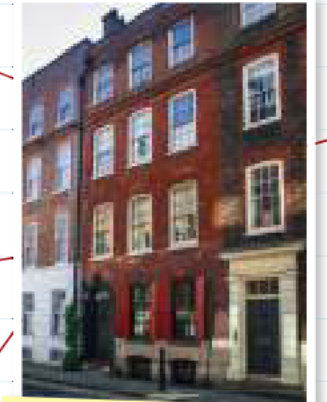
The arrival of thousands of Huguenot families completely transformed Spitalfields from a small area with limited silk-weaving activity into the heart of England's textile industry. The Huguenots brought with them exceptional skills in silk weaving, along with capital to invest in establishing workshops and businesses.
Many of the new arrivals were welcomed by relatives who had settled in England earlier, creating established networks that helped newcomers find work and housing. As the community prospered, successful master weavers either built entirely new houses or adapted existing buildings to serve as both homes and workshops.
Important
The Huguenot weavers were renowned for their exceptional skill and artistry. They specialised in creating high-quality silk fabrics, including beautifully patterned materials that were highly sought after. Their workshops featured large windows designed to maximise natural light, which was essential for the detailed work of silk weaving.
Economic impact and guild freedom
The economic transformation was remarkable. Between 1650 and 1700, England's production of silk fabrics increased by twenty times, largely due to the expertise and industry of Spitalfields' weavers. This dramatic increase made England a major player in the European textile market.
Significantly, Spitalfields lay outside the jurisdiction of London's traditional weavers' guilds. These guilds were organisations that strictly controlled the quality and types of cloth that could be produced, often limiting innovation and competition. Free from these restrictive regulations, Huguenot weavers could experiment with different techniques and produce the varied, high-quality fabrics they specialised in.
Example
Economic Impact Example: The Twenty-Fold Increase
To understand the scale of transformation:
- 1650: England produced minimal silk fabrics, mostly importing from France and Italy
- 1700: England's silk production had increased 20 times over
- Result: England became competitive with established European textile centres
- Key factor: Huguenot expertise combined with freedom from guild restrictions
Maintaining cultural and religious identity
The Huguenots successfully preserved their distinct cultural identity while integrating into English society. Language, clothing, and food traditions remained important markers of their French Protestant heritage, helping to maintain community bonds across generations.
Religion played a central role in Huguenot community life. By 1700, the community had established nine churches in Spitalfields alone, having received permission from English authorities to build their own places of worship. These churches served multiple functions beyond religious services - they acted as community centres where Huguenots could maintain their French language, support new arrivals, and share information about job opportunities and housing.
Note
The church networks created vital communication systems that helped connect different Huguenot settlements across London. This meant that established community members could offer practical assistance to newly arrived refugees, helping them navigate the challenges of settling in a new country.
Royal protection and support
The Huguenots benefited from remarkable support from English monarchs, who saw them as valuable additions to the kingdom's economy and as fellow Protestants deserving of protection.
Charles II granted Huguenots "denizen status," a legal classification that gave foreign residents significant rights to live and work in England. This status provided security and legal protection that many other migrant groups lacked.
The support became even stronger under William III and Mary II, who were themselves Protestant rulers with a particular interest in protecting fellow Protestants. In 1689, William issued a Declaration promising to "support, aid and assist" Huguenots in making their lives "comfortable and easy" in England.
The Foreign Protestants Naturalisation Act
William and Mary's support culminated in the Foreign Protestants Naturalisation Act of 1700, which provided Huguenots with enhanced legal security and rights. This legislation demonstrated the English government's commitment to integrating Protestant refugees into English society.
The royal couple also provided substantial financial support. Between 1689 and 1693, William and Mary donated £39,000 to assist Huguenot settlement in London. Additionally, a relief committee was established to coordinate assistance, and by 1700, over £64,000 had been raised to support the refugee community.
Important
Financial Support in Context
The £39,000 donated by William and Mary, plus the additional £64,000 raised by 1700, represented enormous sums for the period. This level of systematic financial support was unprecedented for refugee communities and demonstrates the exceptional value placed on Huguenot settlement.
Economic tensions and integration challenges
Despite their general success, the Huguenots faced some resistance from English workers who viewed them as economic competitors. The rapid growth of the Huguenot silk-weaving industry created tensions with established English weavers who complained that the newcomers were taking away their jobs and undercutting their wages.
These economic tensions occasionally erupted into violence. Riots broke out in Spitalfields in 1675, 1681, and 1683, as English weavers expressed their frustration with what they saw as unfair competition. However, these disturbances were relatively short-lived and ended when the Huguenots demonstrated their willingness to share their superior weaving techniques with English workers.
Note
This collaborative approach proved to be crucial for long-term integration. Rather than remaining isolated, the Huguenots helped train English workers in advanced silk-weaving methods, which ultimately benefited the entire industry and reduced tensions between the communities.
Timeline of key events
- 1670: Beginning of major Huguenot migration to England
- 1675, 1681, 1683: Riots in Spitalfields between English and Huguenot weavers
- 1685: Revocation of Edict of Nantes increases Huguenot refugees
- 1689: William III issues Declaration of support for Huguenots
- 1689-1693: Royal donations of £39,000 to support settlement
- 1700: Foreign Protestants Naturalisation Act passed; £64,000 raised for relief
- 1710: End of major migration period
Summary
Key Points to Remember:
- Massive migration: 40,000-50,000 Huguenots fled France between 1670-1710, transforming Spitalfields into "weaver town"
- Economic revolution: Huguenot silk weavers increased England's silk production 20 times, creating a thriving textile industry
- Royal protection: Charles II, William III, and Mary II provided legal status, financial support (£39,000+ in donations), and protective legislation
- Cultural preservation: Huguenots maintained their identity through churches, language, and customs while successfully integrating into English society
- Integration through skills: Initial tensions with English weavers were resolved when Huguenots shared their superior techniques, benefiting everyone