Migrants: Impact (Edexcel GCSE History): Revision Notes
📚Revision Notes
Migrants: Impact in 18th and 19th century Britain (c1700-c1900)
During the 18th and 19th centuries, migrants from Africa, Asia and Europe had a profound influence on British society. Their contributions transformed politics, the economy, urban landscapes, and British culture in ways that continue to shape the country today.
Note
This period (c1700-c1900) represents a crucial era in British history when migration patterns fundamentally reshaped the nation's social, economic, and political landscape.
Political impact and parliamentary influence
Migrants played crucial roles in shaping British politics and social reform during this period. Their involvement helped drive some of the most significant political changes of the era.
The fight against slavery
Black Africans who had experienced slavery firsthand became powerful voices in the campaign to end this horrific practice. After gaining his freedom, Olaudah Equiano emerged as one of the most influential anti-slavery campaigners of his time.
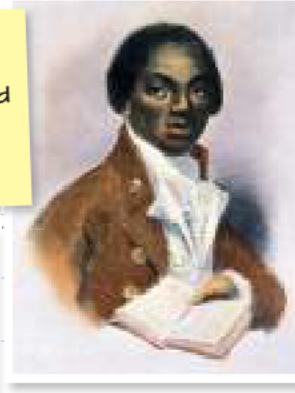
Equiano worked tirelessly to convince both the general public and Members of Parliament that the transatlantic slave trade was morally wrong and should be abolished. His efforts, alongside those of other campaigners, achieved remarkable success.
Important
Major Legislative Victories:
- In 1807, Parliament voted to end the transatlantic slave trade
- By 1833, slavery itself was abolished throughout the British Empire
These achievements demonstrate how migrant voices directly influenced British law and policy.
German political philosophy
German migrants brought revolutionary ideas about how society should be organised. Karl Marx and Friedrich Engels developed their Communist Manifesto while living in Britain, which outlined their belief that land and property should be owned collectively by the community rather than by individuals. They argued this would create a fairer society for all.
Irish Protestant influence and Chartism
Irish Protestant migrants became actively involved in political movements seeking greater representation for working-class people. Feargus O'Connor, an Irish Protestant, became editor of the Northern Star newspaper, which supported the Chartist movement - a campaign demanding political rights for ordinary working people.
William Cuffay, whose father had been enslaved in the Caribbean, rose to become chairman of the London Chartists, demonstrating how migrants from different backgrounds united in the fight for political reform.
Jewish civil rights advancement
Jewish migrants gradually gained greater civil rights throughout this period. A significant milestone came in 1829 when Parliament passed the Catholic Emancipation Act, which gave Catholics nearly the same civil rights as everyone else, though they still faced some restrictions regarding university attendance and certain public offices.
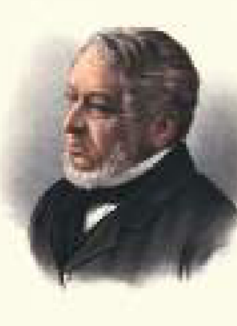
In 1850, Lionel de Rothschild became the first Jewish Member of Parliament, marking an important breakthrough in Jewish political representation.
Economic contributions through trade and industry
Migrant communities made enormous contributions to Britain's economic growth during this period, helping to build the infrastructure and businesses that powered the Industrial Revolution.
Infrastructure development
Irish navvies (construction workers) played an essential role in building Britain's transport network. Through backbreaking work digging canals and constructing railways, they helped create the infrastructure that connected the entire country.
Note
By the 1880s, a comprehensive rail network linked all major cities, towns and ports, allowing for efficient transportation of raw materials and finished goods. This transportation revolution was built largely through the labour of Irish migrants.
Business ownership and entrepreneurship
Many migrants established successful businesses that contributed to Britain's economic prosperity. They owned and operated shops, banks, and various enterprises, often achieving considerable success.
Example
Business Success Story: Michael Marks
Michael Marks, a Polish Jewish immigrant, started with a small stall in Leeds market in 1884. His business grew so successfully that by 1900, Marks & Spencer had shops in all of Britain's major towns, becoming one of the country's most recognisable retail brands.
This demonstrates how migrant entrepreneurship contributed directly to Britain's commercial development.
Industrial employment
Migrants provided essential labour for Britain's growing industries. Many Eastern European Jews, for instance, found employment in the clothing trade, bringing their skills and helping these industries to flourish.
Transformation of the urban environment
The arrival of diverse migrant communities led to significant changes in British towns and cities, as new infrastructure was built to accommodate different religious and cultural needs.
Transportation networks
Railways extended into town and city centres, transforming how people moved around urban areas and connecting previously isolated communities to the wider economic network.
Religious buildings
To accommodate their religious practices, different migrant communities built places of worship. Synagogues were constructed so Jewish communities could worship according to their beliefs. By 1900, a small number of mosques had been built to serve Muslim communities.
Note
These religious buildings not only served spiritual needs but also became important community centres that helped preserve cultural traditions and identities, fundamentally changing the architectural and social landscape of British cities.
Cultural influence and social change
Migrants brought rich cultural traditions that expanded and enriched British society in numerous ways, helping to break down prejudices and create a more diverse nation.
Culinary diversity
Chinese, Indian and Jewish restaurants and cafes introduced British people to entirely new flavours and cooking styles. This culinary diversity added variety to people's diets and began the transformation of British food culture that continues today.
Music and entertainment
The musical talents of migrants helped shape British cultural life.
Example
Cultural Achievement: Samuel Coleridge-Taylor
Samuel Coleridge-Taylor, the son of a Black African father and an English mother, became a celebrated composer whose music was enjoyed by many. His success helped challenge racial prejudices and demonstrated the artistic contributions that migrants could make to British culture.
Breaking down barriers
The success and contributions of migrants in various fields helped gradually break down some of the racial and cultural prejudices that existed in British society. As people witnessed the positive impacts of migration, attitudes slowly began to change.
Timeline of key events
- 1807: Parliament votes to abolish the transatlantic slave trade
- 1829: Catholic Emancipation Act passed, giving Catholics almost equal civil rights
- 1833: Slavery abolished throughout the British Empire
- 1850: Lionel de Rothschild becomes first Jewish Member of Parliament
- 1880s: Railway network connects all major British cities, towns and ports
- 1884: Michael Marks opens his stall in Leeds market
- 1900: Marks & Spencer has shops in all major towns; small number of mosques built for Muslim communities
Summary
Key Points to Remember:
- Migrants from Africa, Asia and Europe transformed British society between 1700-1900 in politics, economics, urban development and culture
- Former enslaved people like Olaudah Equiano led successful campaigns that resulted in the abolition of slavery by 1833
- German political thinkers introduced new ideas about organising society, while Irish and other migrants fought for working-class political rights
- Irish navvies built the canal and railway networks that powered Britain's Industrial Revolution, while migrant entrepreneurs created successful businesses
- New religious buildings like synagogues and mosques changed British cityscapes to accommodate diverse communities
- Migrant cultural contributions, from food to music, helped break down prejudices and enriched British society