The Homestead Act, 1862 (Edexcel GCSE History): Revision Notes
📚Revision Notes
The Homestead Act, 1862: Background context - Indigenous life on the Plains
Note
To fully understand the impact of the Homestead Act of 1862, it's essential to know about the Indigenous peoples who had lived on the Great Plains for generations. Their traditional way of life would be dramatically affected by the wave of settlers encouraged by this legislation.
Understanding the Plains before homesteading
The story of the Homestead Act cannot be told without first understanding the people who already called the Plains home. For generations, Indigenous peoples had developed sophisticated survival strategies perfectly adapted to one of North America's most challenging environments.
The challenging Plains environment
The Great Plains presented an extremely tough environment for survival. The region was characterised by very dry conditions, with scorching hot summers and bitterly cold winters. This harsh climate meant that both Indigenous peoples and later homesteaders had to develop special strategies to survive in this demanding landscape.
Indigenous peoples had spent generations learning how to thrive in these challenging conditions, developing a complex way of life perfectly adapted to the Plains environment.
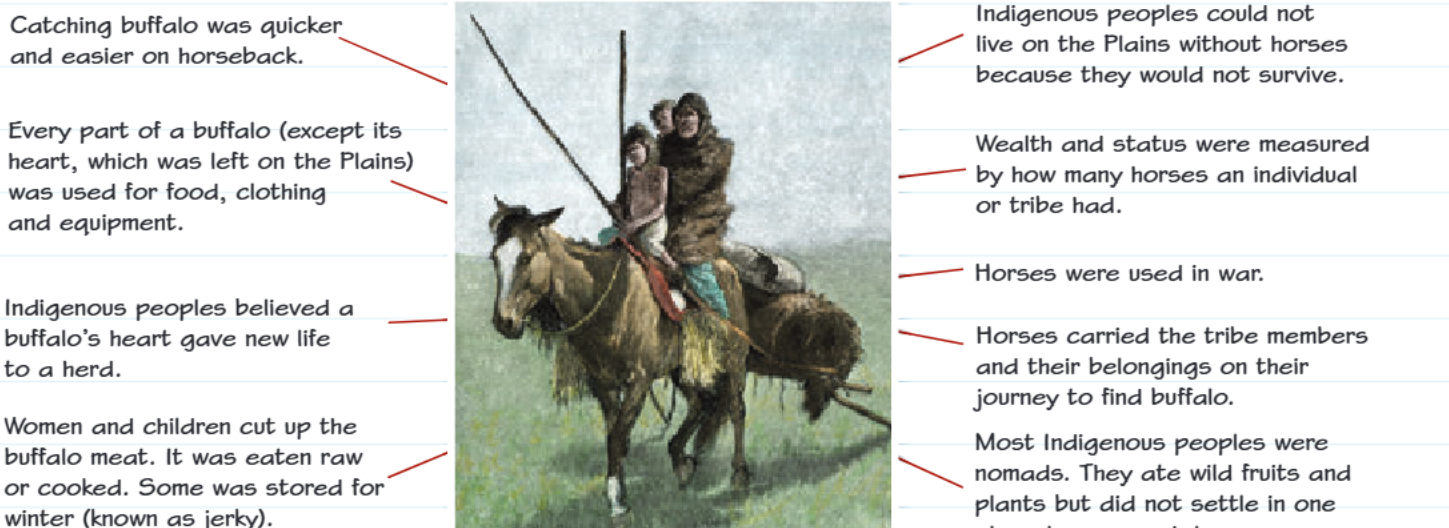
Indigenous survival strategies: Buffalo and horses
The foundation of Plains Indigenous life rested on two crucial elements: buffalo and horses. These animals were not just important - they were absolutely essential for survival on the Plains.
Example
How Buffalo Provided Everything Needed for Survival
Indigenous peoples used every part of the buffalo except the heart, which held special spiritual significance:
- Meat: Fresh food and jerky preserved for winter months
- Hide: Clothing, tipi covers, blankets, and equipment
- Bones: Crafted into tools, needles, and weapons
- Sinew: Thread for sewing and bowstrings
- Horns: Cups, spoons, and ceremonial items
This complete utilisation meant that one buffalo could provide materials for multiple families' needs.
Horses had been introduced to the Plains by Spanish colonists and revolutionised Indigenous life. Without horses, Plains Indigenous peoples simply could not survive in this vast landscape. Horses provided speed for hunting buffalo, which was much more effective than hunting on foot. They also became symbols of wealth and status - the more horses a person or tribe owned, the higher their standing in the community.
The nomadic lifestyle
Most Plains Indigenous peoples developed a nomadic way of life, meaning they moved regularly rather than staying in one place. This lifestyle was perfectly suited to following the great buffalo herds as they migrated across the Plains during summer and autumn.
During the warmer months, Indigenous peoples lived in tipis - cone-shaped tents made from wooden poles and covered in buffalo hide. These structures were ideal for Plains life because they could withstand strong winds, provided good ventilation during hot summers, and could be quickly taken down and packed away when it was time to move.
Note
In winter, bands moved to sheltered valleys where they lived in more permanent wooden lodges, protected from the harsh weather by thick layers of soil for insulation. This seasonal movement pattern shows how Indigenous peoples adapted their living arrangements to match the challenging Plains climate.
Social organisation and survival challenges
Indigenous peoples organised themselves into bands - groups that were specifically designed for survival on the Plains. These bands could change size depending on how much food was available. When buffalo were plentiful, larger groups could stay together. However, when food became scarce, bands would split up and spread out across the territory to improve everyone's chances of finding enough to eat.
Important
This flexible social system had serious consequences. Sometimes different bands moved into hunting grounds traditionally used by other tribes, leading to conflicts and territorial disputes. Indigenous tribes also conducted raids on other tribes, seeking to capture horses, gather food, or take people. These raids were part of how tribes survived the challenging Plains environment, but they would later be used to justify policies that displaced Indigenous peoples from their lands.
Connection to the Homestead Act
This traditional way of life - following buffalo herds across vast territories, living nomadically, and depending on the Plains ecosystem - would come into direct conflict with the goals of the Homestead Act of 1862. The Act encouraged permanent settlement of the Plains, with homesteaders claiming fixed plots of land and establishing farms.
Important
A Fundamental Conflict of Land Use
The Homestead Act represented a completely different approach to using the land compared to the mobile, buffalo-centered lifestyle that Indigenous peoples had developed over generations. This clash between nomadic land use and permanent agricultural settlement would become a central source of conflict in the American West.
Understanding Indigenous life on the Plains helps explain why the implementation of the Homestead Act would lead to significant conflicts and dramatic changes for all peoples living in the American West during this period.
Summary
Key Points to Remember:
-
The Great Plains had an extremely challenging environment with harsh winters and hot summers that required special survival strategies
-
Indigenous peoples depended completely on buffalo (for everything they needed) and horses (for mobility, hunting, and status) to survive on the Plains
-
Plains Indigenous peoples lived nomadically, following buffalo migrations and using tipis that could be quickly moved
-
Bands were flexible social groups that could split up when food was scarce, sometimes leading to territorial conflicts with other tribes
-
This traditional nomadic lifestyle would directly conflict with the permanent settlement encouraged by the Homestead Act of 1862