The significance of the railroads (Edexcel GCSE History): Revision Notes
📚Revision Notes
The significance of the railroads
Indigenous peoples and the Plains before railroad development
To understand the full significance of railroad development on the Great Plains between 1862-1876, we must first examine the sophisticated societies that existed there before American expansion. The Plains were home to numerous Indigenous nations, including the Sioux, Cheyenne, and Blackfoot peoples, who had developed complex social and political systems over centuries.
Note
Understanding Indigenous Identity
Indigenous refers to the first people to live in a place. On the Great Plains, these communities had established intricate social systems that had evolved over hundreds of years, creating stable and effective governance structures perfectly adapted to their environment.
Traditional social organisation
Indigenous communities organised themselves in a hierarchical structure that balanced individual autonomy with collective decision-making. This system would later clash dramatically with American expansion and railroad development.
Bands formed the foundation of society
Small family groups, typically led by respected chiefs, formed the basic unit of Plains Indigenous society. These bands consisted of related individuals who shared resources and made decisions together through councils of advisers. The emphasis was on collective survival and mutual support, with the band's welfare taking priority over individual interests.
Tribal connections provided broader support
Multiple bands sharing cultural and linguistic ties formed larger tribal networks. These tribes held annual gatherings to discuss important matters such as territorial disputes, trade arrangements, and marriage alliances. Chiefs and elder council members from different bands would meet to make decisions affecting the entire tribe, creating a democratic system that required widespread agreement.
Warrior societies maintained security
Elite groups of proven fighters from each band formed specialised warrior societies responsible for protecting their communities and leading military campaigns. These societies worked closely with band councils and tribal leadership, ensuring that all major decisions about conflict or raids involved multiple levels of consultation.
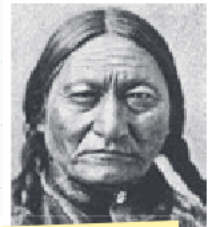
Leadership and decision-making
Indigenous political systems operated very differently from the centralised authority that American settlers and government officials expected to encounter. Chiefs gained their positions through demonstrated wisdom, hunting skill, and warrior ability rather than inheritance or appointment. Importantly, chiefs could not make unilateral decisions - everything required council agreement and community consensus.
Important
Critical Misunderstanding: Treaty-Making
This system created significant misunderstandings when the US government later negotiated treaties. American officials assumed that if a chief signed an agreement, his entire tribe would comply. However, Indigenous societies worked differently - individual bands retained the right to reject decisions they disagreed with, even if their tribal chief had agreed to them.
This fundamental misunderstanding would become a major source of conflict during the railroad expansion period.
Example
Historical Example: The 1868 Treaty Controversy
A clear example of this misunderstanding occurred in 1868 when Chief Red Cloud signed a treaty with the US government. Many Lakota Sioux bands, following their own chief Sitting Bull, rejected the agreement and continued to resist American expansion.
The Process:
- US officials negotiated with Chief Red Cloud
- Red Cloud signed the Treaty of Fort Laramie in 1868
- American authorities assumed all Lakota bands would comply
- Chief Sitting Bull and his followers refused to honour the treaty
- Continued resistance led to escalating conflicts
This pattern of treaty-making and subsequent conflict would intensify during the railroad construction period.
Traditional roles and community structure
Note
Interconnected Community Systems
Indigenous Plains societies developed specific roles that ensured community survival and cultural continuity. Understanding these interconnected systems helps explain why railroad development had such devastating effects on Indigenous communities.
Men typically focused on hunting and warfare, while women managed food production, childcare, and maintained the family's possessions and shelter. Children learned essential skills from multiple community members, and elders held respected positions as keepers of traditional knowledge and customs.
This interconnected community structure meant that when external forces later disrupted Indigenous societies - particularly through railroad development and associated policies - the effects rippled through every aspect of life. The traditional education system, family structures, and economic activities would all face unprecedented challenges.
Early consequences of American expansion
Even before major railroad construction began, US government policies started undermining traditional Indigenous social structures. Officials attempted to break up tribal and band connections by forcing individuals into smaller family units or relocating children to distant schools. These early interventions removed young people from their communities, preventing them from learning traditional skills, languages, and customs that had been passed down for generations.
These disruptions weakened Indigenous communities just as they faced the greatest threat to their way of life - the coming of the transcontinental railroad and massive American settlement of the Plains.
Timeline of key events
- 1851: Treaty of Fort Laramie attempts to define territorial boundaries
- 1862: Pacific Railway Act authorises transcontinental railroad construction
- 1864: Sand Creek Massacre increases Indigenous resistance
- 1868: Treaty of Fort Laramie establishes reservations but faces widespread resistance
- 1869: Transcontinental railroad completed, accelerating Plains settlement
- 1876: Battle of Little Bighorn represents peak of Indigenous resistance
Summary
Key Points to Remember:
- Indigenous Plains societies had sophisticated political systems based on consensus and collective decision-making, not centralised authority
- The band-tribe-warrior society structure created strong communities but also made unified responses to American expansion difficult
- US government misunderstanding of Indigenous leadership led to failed treaties and increased conflict
- Traditional Indigenous social structures were already under pressure before major railroad development began
- The disruption of Indigenous education and family systems weakened communities just as they faced railroad-driven American expansion