Global Warming (OCR GCSE Biology A (Gateway Science Suite)): Revision Notes
📚Revision Notes
7.3.5 Global Warming
Note
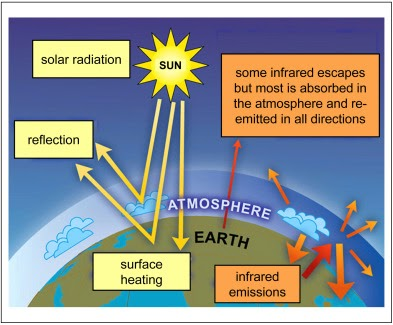
Global warming refers to the ongoing increase in Earth's average temperature, primarily caused by the rise in greenhouse gases like carbon dioxide (CO₂) and methane (CH₄). These gases trap more heat in the atmosphere, reflecting it back to Earth and causing the planet to warm.
Consequences of Global Warming
- Melting Ice Caps: The warming temperatures cause polar ice caps and glaciers to melt, leading to a loss of habitats for species like polar bears and seals.
- Rising Sea Levels: As ice melts, sea levels rise, flooding low-lying areas with salty water and reducing habitats for both terrestrial and aquatic species.
- Changes in Migration and Distribution: Shifts in temperature and rainfall patterns can disrupt migration routes and alter the distribution of species, as some organisms may no longer be able to survive in their traditional habitats.
- Loss of Biodiversity: As habitats are destroyed or altered, many species may become extinct, leading to a significant reduction in biodiversity.