Management of Tectonic Hazards (OCR GCSE Geography A (Geographical Themes)): Revision Notes
📚Revision Notes
1.2.3 Management of Tectonic Hazards
Why do people live in areas at risk from natural disasters?
- They're always lived there - moving away would mean leaving friends and family.
- They're confident in the area - moving away would mean having to find new jobs.
- They believe that the government will support them after a disaster.
- Some people won't think that severe earthquakes or volcanic eruptions will happen in their lifetime.
- The soil around volcanoes is fertile and full of minerals from volcanic ash and lava.
- The minerals are good for farming.
- Volcanoes are tourist attractions, bringing visitors and jobs to the local area.
- Volcanoes can provide free energy through geothermal sources.
📌 How Can We Manage Tectonic Hazards?
Monitoring
- Networks of seismometers and lasers monitor earth's movements and can be used in early warning systems to give a small but vital warning before an eruption.
- Remote Sensing: Satellites detect heat and changes to the volcano's shape.
- Scientists can monitor the tell-tale signs that come before an eruption. Such as tiny earthquakes, escaping gas and changes to the shape of the volcano. Tiltmeters in the side of the crater where magma is building up.
Prediction
- Earthquakes are difficult to predict, as they often occur without warning. However, the general location of likely quakes is known, as they occur along plate margins.
- Seismic instruments are used to measure the minor tremors and foreshocks that sometimes occur before quakes.
- Volcanic eruptions can be predicted if the volcano is well monitored. Predicting when a volcano is going to erupt allows people time to evacuate.
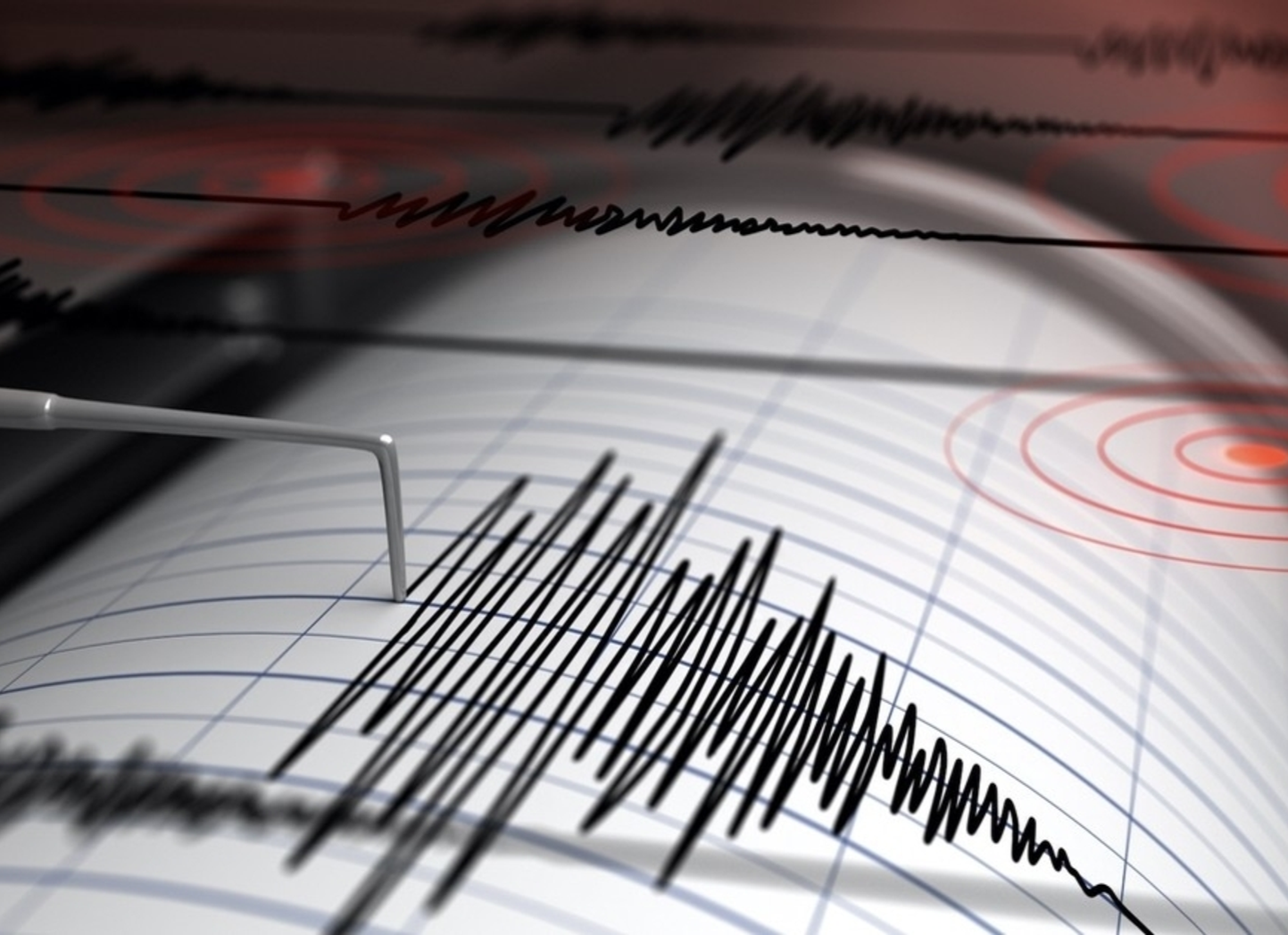
*A seismograph *
Planning
- Future development can be planned to avoid the areas at most risk (called Land Zoning).
- Emergency Services can train and prepare for disasters.
- People can be educated so that they know what to do if a disaster happens.
- Governments can plan evacuation routes to get people out quickly.
- Emergency supplies like blankets and radio sets (MAR) can be stockpiled.
Protection
- Buildings can be designed to withstand earthquakes, e.g., by using materials like reinforced concrete, or building special foundations that absorb the earthquake's energy.
- Existing buildings and bridges can be strengthened with steel frames (making them less likely to collapse under the weight of falling ash).
- Automatic shut-off systems can be installed that turn off gas and electricity supplies to prevent fires.
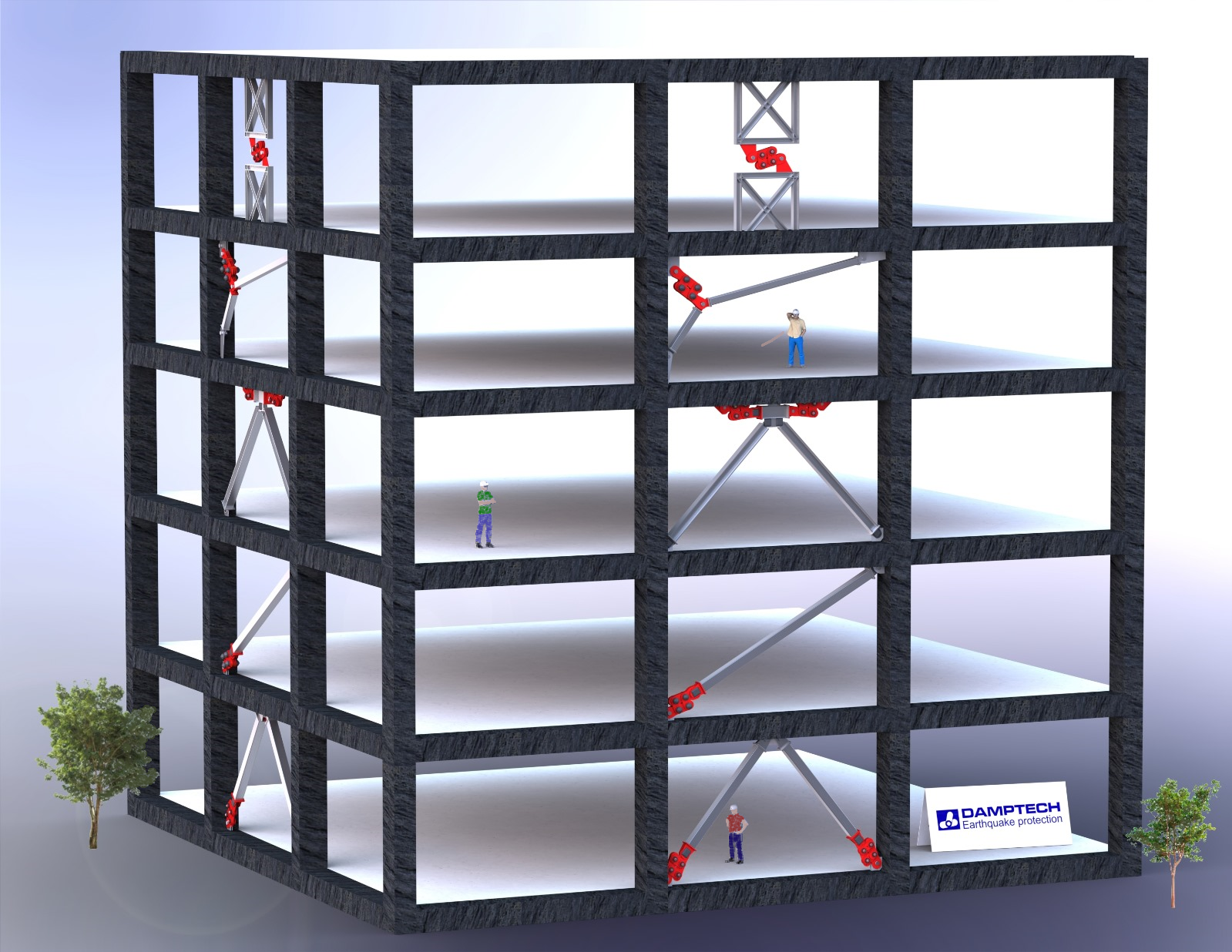
A building with steel frames to protect against earthquake damage