Family life: husbands and wives, parents and children, wider kinship (OCR GCSE History B (Schools History Project)): Revision Notes
📚Revision Notes
Family life: husbands and wives, parents and children, wider kinship
The quality of family life of Elizabethans depended on which groups they belonged to. Land ownership determined the social status and wealth of the families. Additionally, the region where a family lived directed the opportunities for occupation. Economy and patterns of commerce were developing, thus improving the life of the gentry.
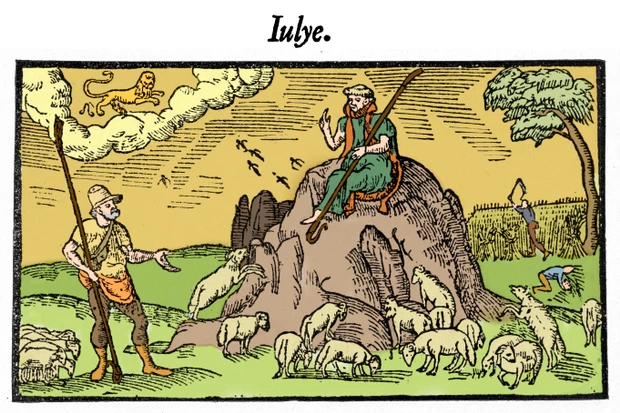
Rural life
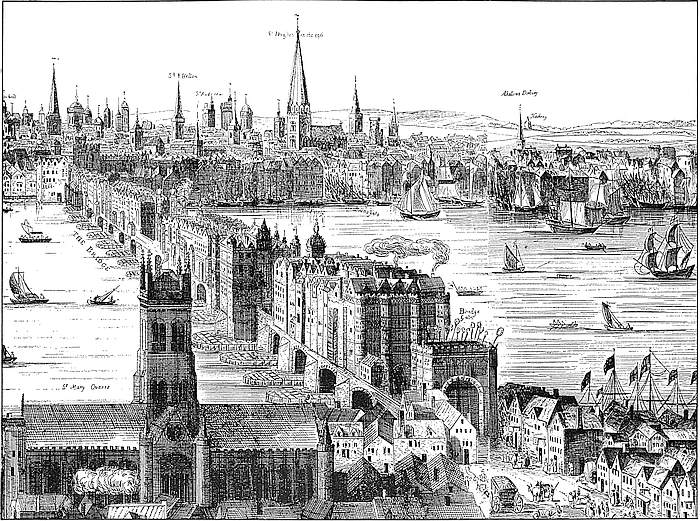
London bridge
- Landowners and farmers benefited from bigger profits due to rising food prices.
- Most people lived in a small town or village and farming remained the principal occupation.
- London was the financial capital and most of the richest towns were in the south of England.
- Trade and shipping in the port of London increased due to population growth and exploration.
Husbands and wives
Most common households consisted of nuclear families whilst wealthy households included extended members of the family and live-in servants. Each member of the family had a task since families were viewed as working units.
Note
Marriage was expected of everyone and women who did not marry were met with suspicion; some were even accused of sorcery.
Husbands were considered the head of the house. They held the power at home as they made the decisions for the family. They should support their household, choosing from various occupations available in their town or village. It was expected of the husbands to improve the positions of all members of the family through patronage and influence.
Women were expected to marry to improve the status of their family. As wives, they were the property of their husbands.They were expected to produce children, preferably male heirs. They ran the households and provided for children. Women were raised to believe that they were inferior to men, that wives should obey their husbands and that disobedience was a religious sin.
Parents and children
Married couples desired and were expected to have children. Families from the nobility and gentry could afford to have more children. Whilst poor families might have a number of children, infant mortality rate was high at the time. For children who lived, there seemed to be no high regard for the general state of childhood in Elizabethan England and children were expected to respect and obey their parents.
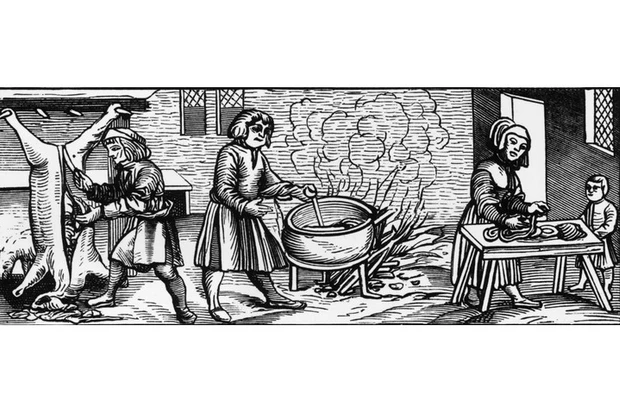
Children of poorer families helped at home
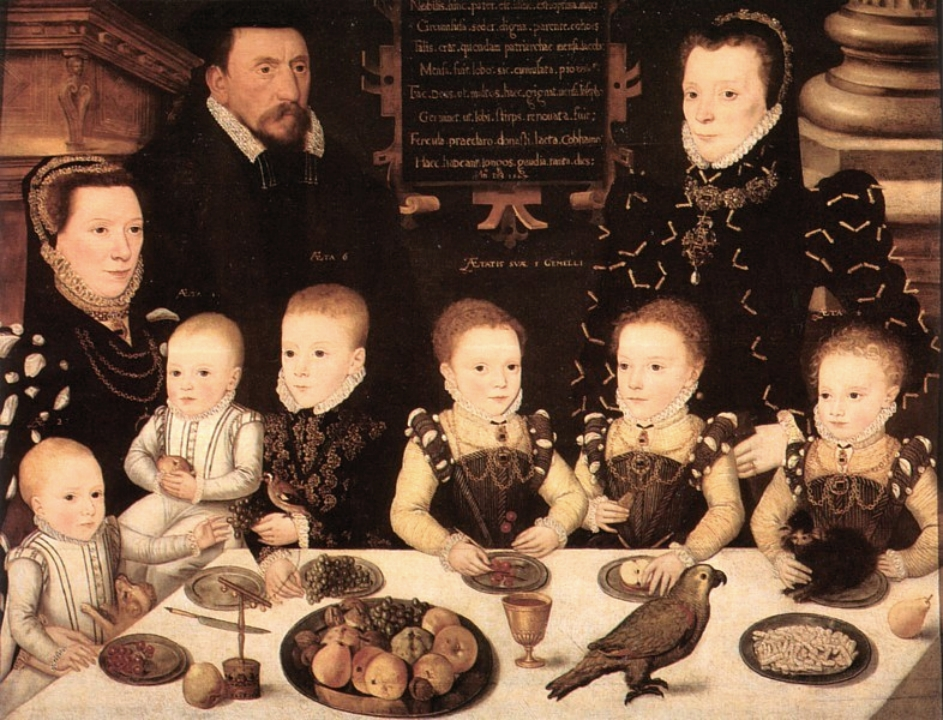
Family dinner of a wealthy family
The experiences of children were different between classes. Children of wealthy families were sent to school at the age of seven. They were taught manners and would be severely punished for bad behaviour. Children of the poor were expected to help at home or on the farm from the age of seven. Children living in cities came to be apprentices in guilds.
Wider kinship
There is little evidence that Elizabethan families lived with their wider kin. Living with the nuclear family was the norm although there were occasions where wider family members were taken in as a result of them being unable to care for themselves.
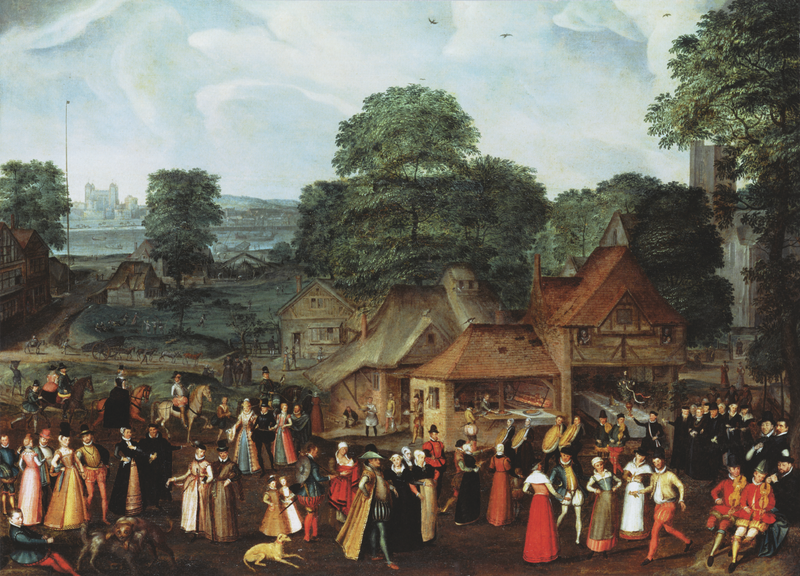
A wedding feast
Whilst parents could dictate the future of their children, wider kin could also influence the future of the young, e.g. marriage. Wider kin rarely lived in the same village. Elizabethan families tended to be scattered due to the practice of sending the children away for apprenticeship. People also tended to be be more concerned about their immediate family than their wider kin.
Note
Kinship mattered more to some, particularly the gentry, nobility and the middling sort.