Elizabeth and her court (OCR GCSE History B (Schools History Project)): Revision Notes
📚Revision Notes
Elizabeth and her court
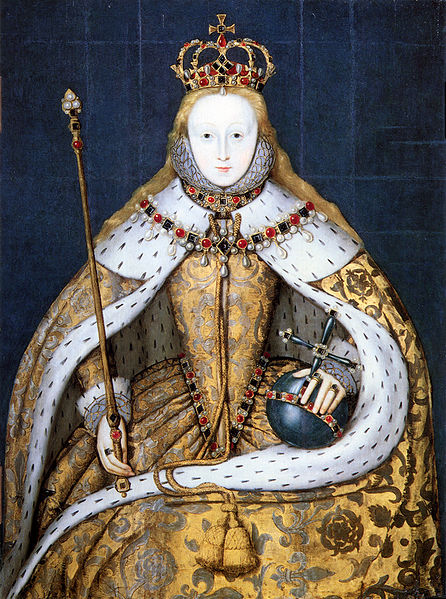
Portrait of Elizabeth I in her coronation robes, c. 1559
Elizabeth I was Queen of England and Ireland from 17 November 1558 until her death on 24 March 1603. She was the last reigning monarch of House of Tudor - her father being Henry VIII.
Elizabeth I ruled England at a time when she held considerable power but was not considered a dictator. She chose people of her own accord to be her ministers and advisors. These people formed Elizabeth I's Privy Council, judges and Lord Lieutenants. The Royal Court was the centre of political power in Elizabethan England and, because of the system of patronage, where those who were favoured by the queen were greatly rewarded, ambitious nobility often went to court in the hopes of being noticed for a government position that would bring them wealth, power and prestige.
Patronage
Patronage defined:
The power to control appointments to office or the right to privileges in exchange for loyalty. Where patronage occurs, appointments are not always based on ability (meritocracy), but on connections, favours, friendship and reward.
Elizabeth I used patronage as a means to control her court. It was expected for favours to flow from queen down through the nobility to the gentry and the public.
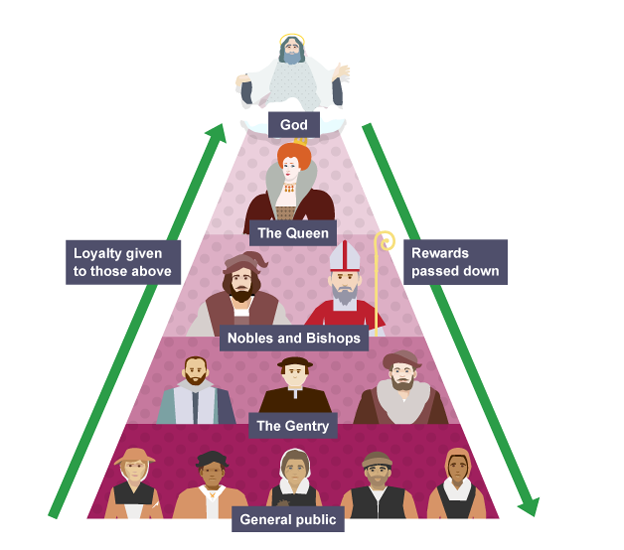
The queen believed in her Divine Right to rule.
The queen could appoint whoever she wished to aid her in ruling the country and usually chose from the nobility.
The nobility chose from the gentry, who controlled their own locality.
The gentry was made up of knights, rich merchants and lawyers.
The court consisted of nobles, lawyers and higher gentry. It was the centre of royal power. In true patronage style, Elizabeth I's favoured courtiers stayed in the same residence as her, others had to find lodgings nearby, and those who displeased her were sent away from court.
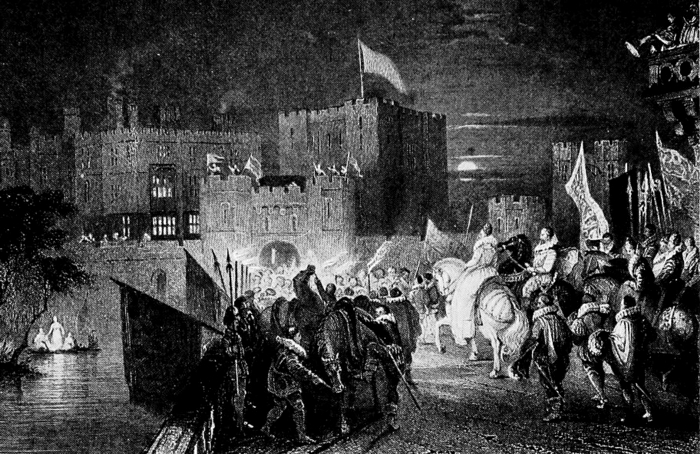
Elizabeth I arrives at Kenilworth Castle, 1575
- She used the court to show her wealth and power and hosted elaborate entertainment.
- Patronage was used to secure loyalty and maintain her control of English land as the nobility often had large armies.
- Though Protestant, she allowed some Catholics to attend court to keep their loyalty and inform her of plots.
- It was a great (and sometimes ruinous) honour to host Elizabeth and her court on a progress.
Note
Each summer, Elizabeth would travel the country and visit wealthy nobility at their residences. This was known as a progress.
Privy Council
- The Privy Council consisted of powerful noblemen appointed by Elizabeth I.
- They advised but did not control her.
- The council was kept small (19 nobility) and they met regularly to advise on foreign and domestic affairs, threats and challenges, war, relations with ambassadors, etc.
- It was their job to carry out political decisions.
- Elizabeth manipulated her councillors when need be, but they too manipulated her when needed.
- The Privy Council used town and city leaders to keep in touch with the nation.
- Members of the court were also heard, which kept factions appeased.
- She welcomed different perspectives.
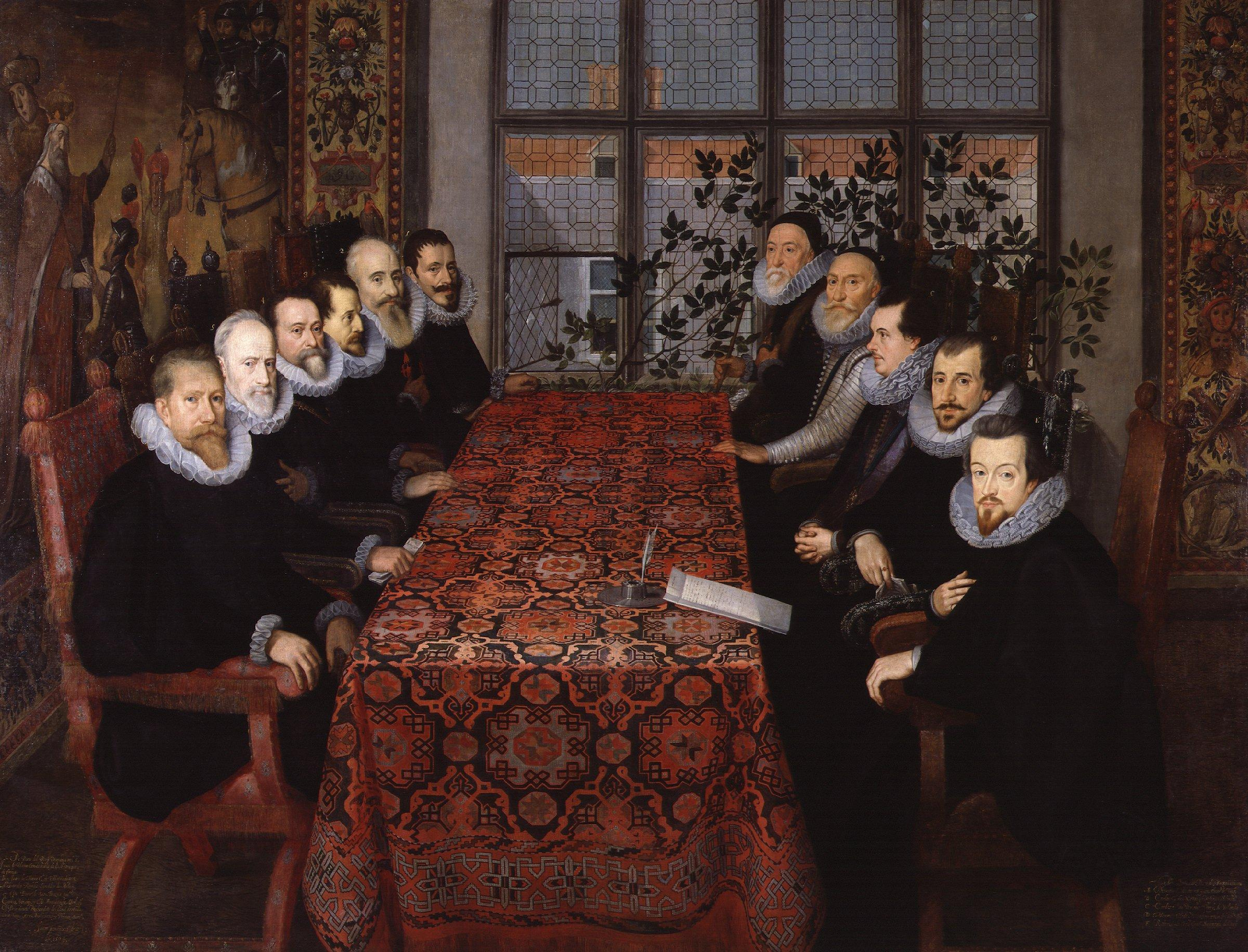
A painting depicting Elizabeth's Privy Council.
Note
Privy Council is a group of senior politicians who advise the head of state, usually a monarch.
Key members of the Privy Council
William Cecil, Lord Burghley
- Secretary of State
- Held his spot for 40 years
- Moderate Protestant concerned by the Catholic threat
- Would challenge her by using Parliament and courtiers to change her mind
- Elizabeth resented him after Mary, QoS's execution
Sir Francis Walsingham
- Head of Secret Service
- Advised on foreign affairs
- A devout Puritan and worried about the Catholic threat
- Cold, calculating, straight-talking
- Uncovered the plot that led to Mary, QoS's execution
Robert Dudley, Earl of Leicester
- A trusted adviser of Elizabeth I until his death in 1588
- A Puritan who often butted heads with Cecil
- Would give conflicting advice to Cecil's
- Was very close with the queen and many considered them lovers
Sir Christopher Hatton
- A moderate Protestant
- Appointed Lord Chancellor in 1587
- Became very wealthy as a result of the queen's fondness for him
Robert Devereux, 2nd Earl of Essex
- Politically ambitious and committed
- A favourite of the queen
- Often argued with her
- Played a part in an attempt to remove some of the queen's councillors
- Rebelled in 1601 and was executed for treason
Rebellion of Earl of Essex
In the later part of Elizabeth's reign, the problems of war, plague, poverty and repeated poor harvests threw her government into crisis. Where patronage had once worked, by the 1590s, it was losing its effectiveness. The queen also lost key advisors including Robert Dudley (1588), Francis Walsingham (1590) and Christopher Hatton (1591). Increasingly bad-tempered, she began losing popularity and faced harsh criticism.
Factions in the court
Factions in court existed right from the beginning of her rule but as her old councillors died and were replaced by young, ambitious courtiers, unrest and calls for reform grew.
Two rivals on the Privy Council were:
Robert Cecil, Son of Lord Burghley
Earl of Essex- Stepson of Robert Dudley
Cecil followed in his father's footsteps, studied hard and became powerful. Essex was jealous of Cecil and unpredictable in nature: he married without the queen's permission, insulted her, and drew his sword when Elizabeth struck him on the ear for insolence. The final straw was when he barged into her chambers before she was properly dressed. After a trial, he was banned from Court and placed under house arrest.
Having lost his place on the Privy Council and his business interests that came with the queen's favour, Essex's career was in tatters.
One version of events
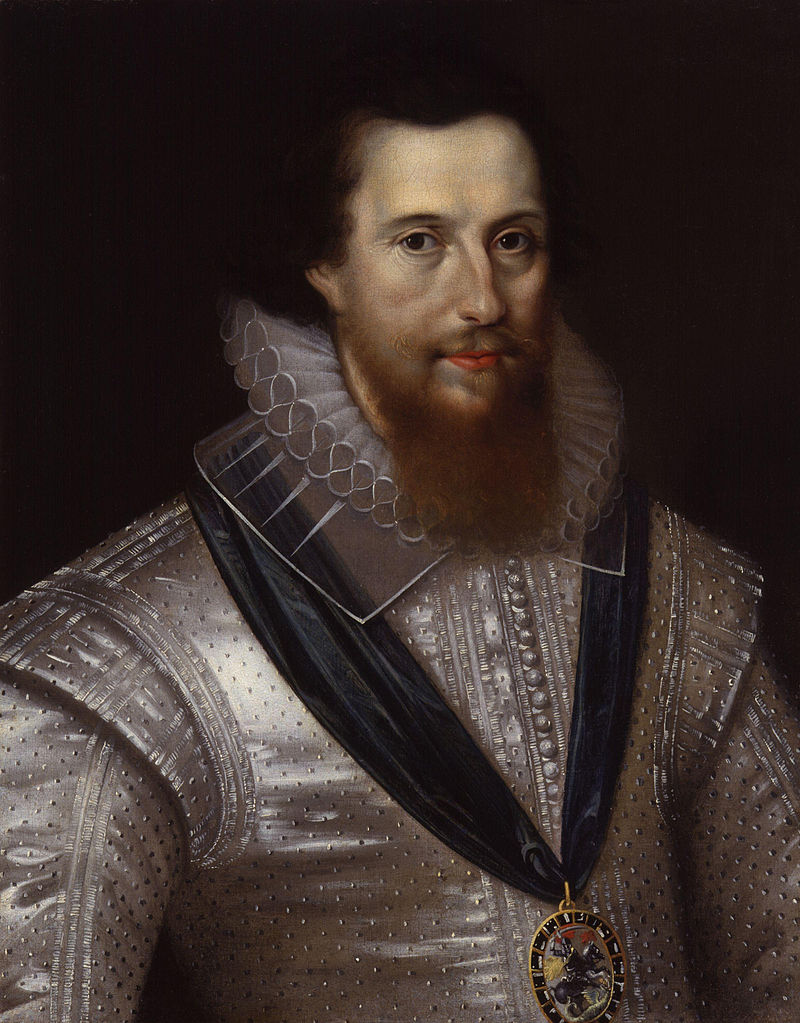
Earl of Essex - stepson of Robert Dudley
Not one to go quietly, in 1601 Essex gathered around 300 supporters that included disgruntled and unsuccessful courtiers and unemployed soldiers. As he was fortifying his house, rumours of treason and rebellion began to spread.
When Elizabeth's demand for him to appear before the Privy Council went ignored, four members of the Privy Council went to his house, where he took them hostage. He then proceeded to march with his men to London to capture the queen. He had overestimated his strength and popularity, however, and was quickly abandoned. Forced to surrender, the rebellion lasted only 12 hours. He was found guilty of treason and executed in February 1601.