The Puritan attack on popular pastimes (OCR GCSE History B (Schools History Project)): Revision Notes
📚Revision Notes
The Puritan attack on popular pastimes
Puritans believed that people should live devout and godly lives. They viewed popular pastimes as distractions from God. Instead of going to these forms of entertainment, they wanted people to spend their time praying, listening to sermons and reading the Bible.
Puritan beliefs
Note
Puritans were not content with the Religious Settlement because they believed that the state and the Church of England should be reformed by the Word of God and the faithful preaching of the Gospel. Their beliefs were seen as hardline or on the extremes of Protestant beliefs. Puritans were opposed to the rule of bishops, the required use of the Book of Common Prayer and many of the Catholic rituals.
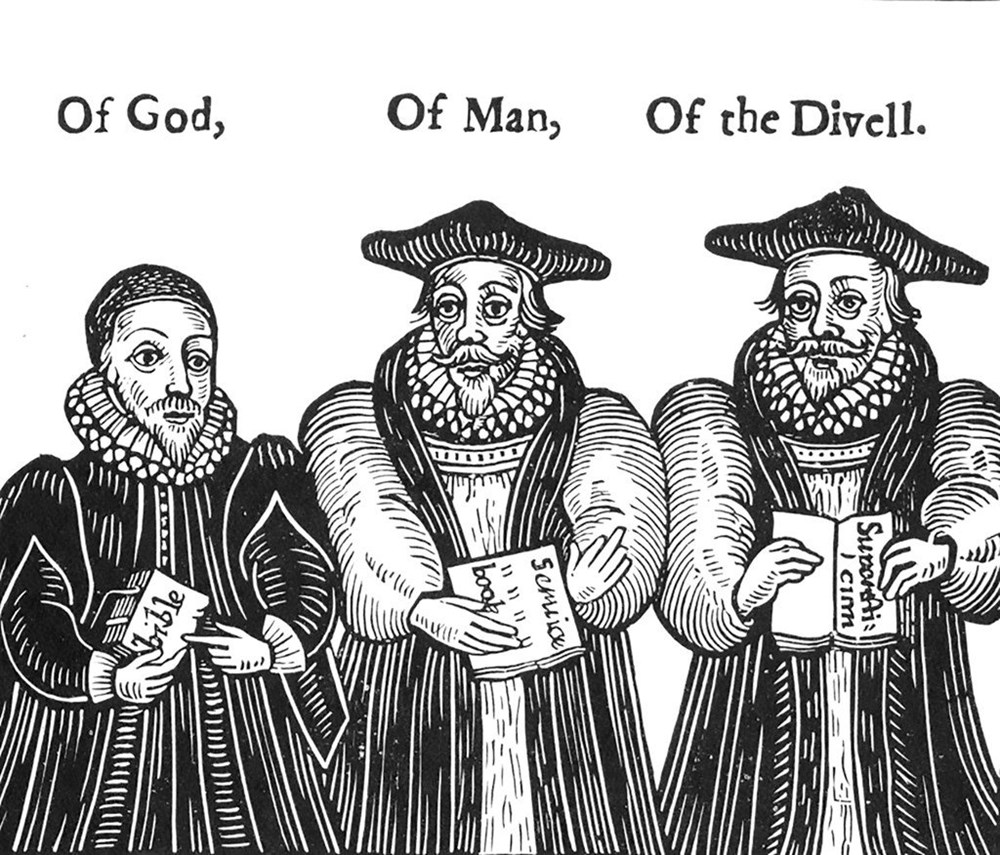
A 1641 woodcut in a tract which shows the godliness of the Puritan
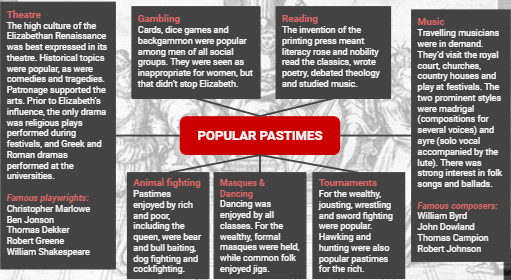
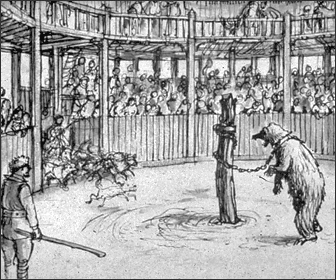
Popular pastimes - Blood Sports
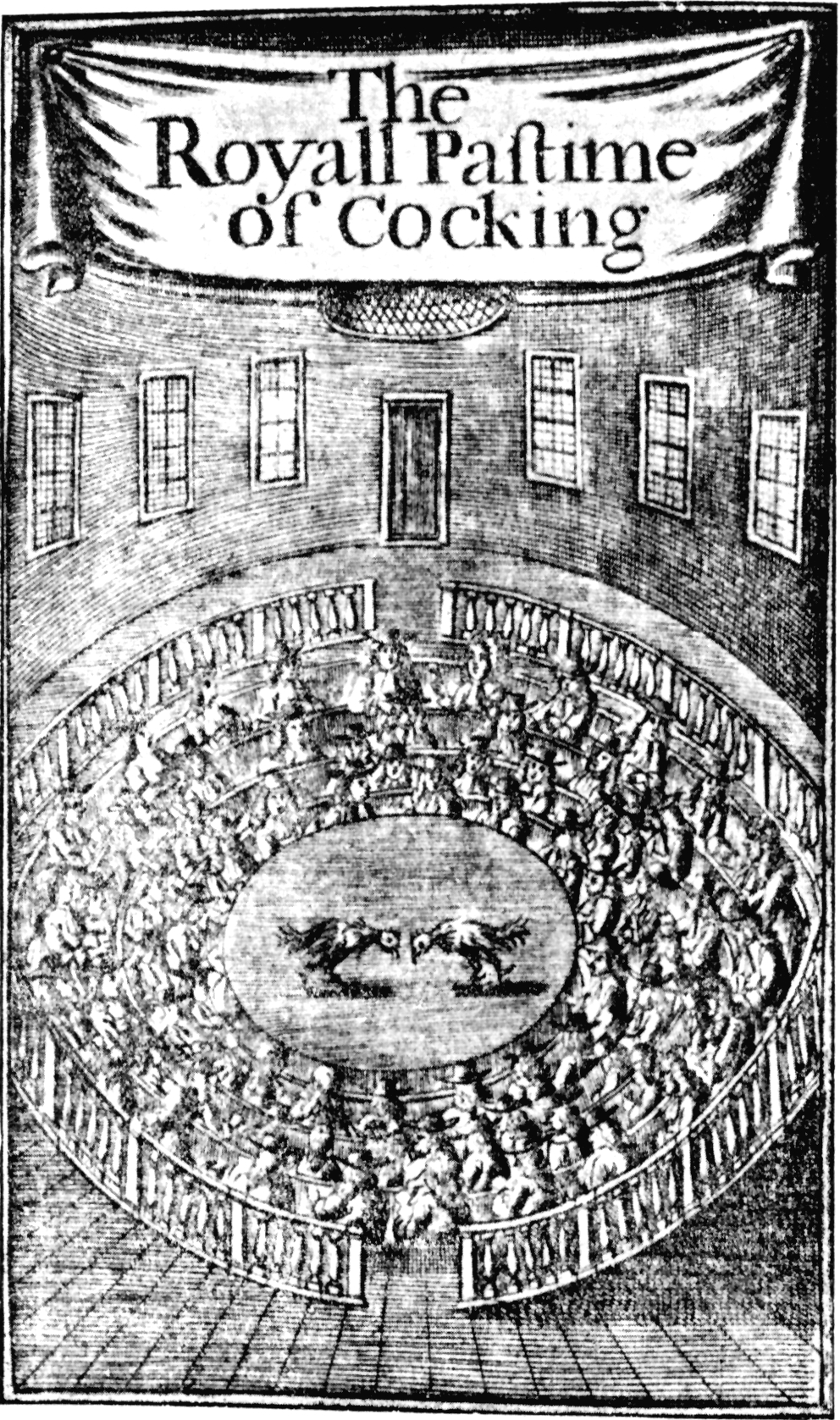
Elizabethan England was highly structured with little room for upward movement. Placed below humans in the structure were animals: they were consequently utilised for food, labour and entertainment. Forms of bloodsport included bear and bull baiting, which were so popular they were patronised by all classes and London had purpose-built arenas.
Cock fighting Fighting roosters were expensive and owned by the wealthy. They were often fitted with metal blades on their legs and confined to a pit. All classes wagered and roosters would fight to the death.
Dog fighting Similar to cockfighting, aggressive dogs were set against each other in fighting rings. Large sums of money were bet on the outcome of the fight.
Bear and bull baiting Involved chaining a bull or bear to a post with limited length of tether and setting dogs on them one at a time for around an hour. Betting would take place on the outcome. Both dogs and bear/bull were often injured or killed.
Popular pastimes of rich Elizabethans
For the wealthy Elizabethans, labour was not part of their daily routine. They also had the land and financial means to indulge in more expensive activities, such as:
Note
Wealth meant:
- Land for hunting (women participated) and fishing, building courts and greens and hosting tournaments
- Large houses for masques and feasts
- Keeping horses and hawks
- No need to work so time to train in fencing, archery and jousting
- Literate - reading and writing poetry
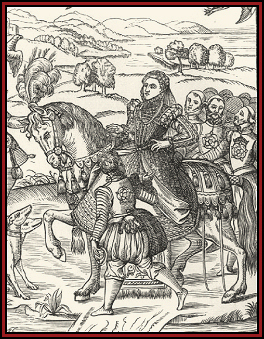
Hunting
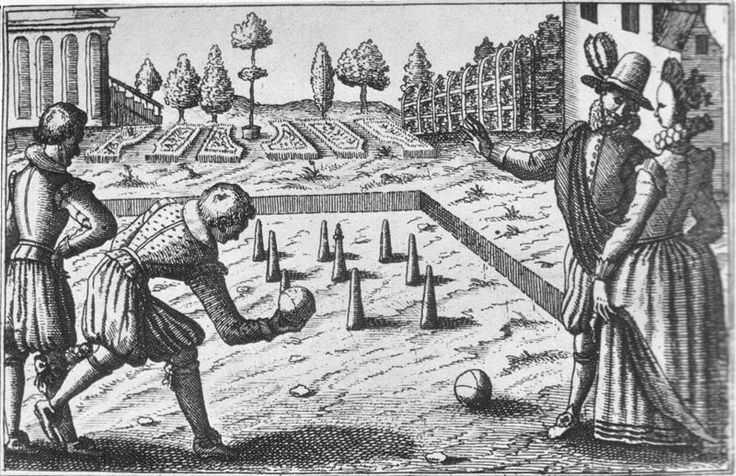
Bowls
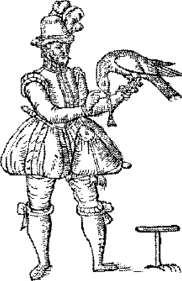
Hawking
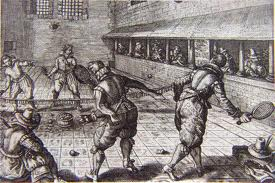
Tennis
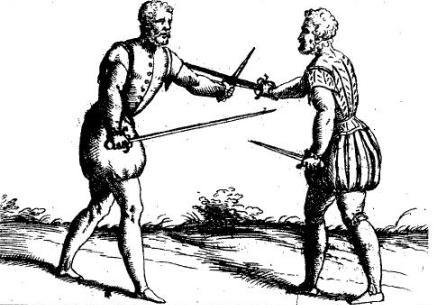
Fencing
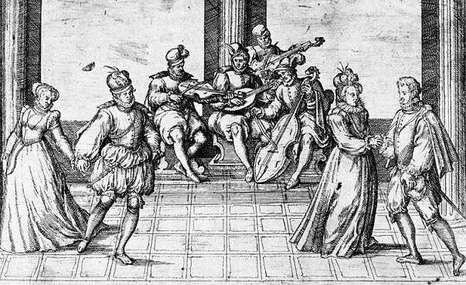
Masques
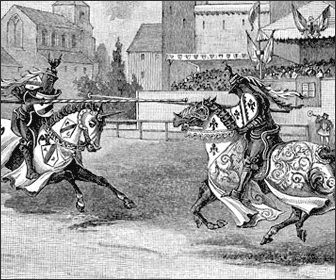
Jousting & tournaments
Popular pastimes of poor Elizabethans
By contrast, the poor either had no money, or had to work, and so leisure activities were different from the rich.
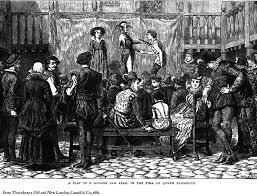
Watching plays
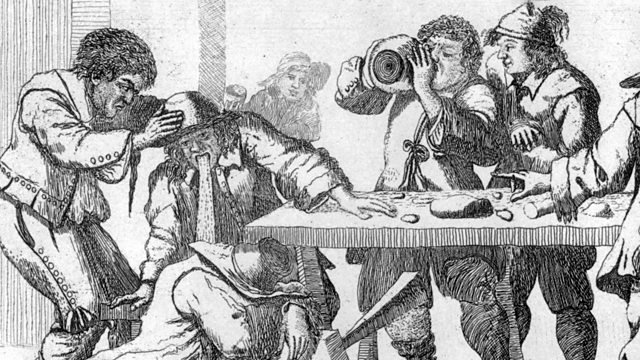
Alehouses
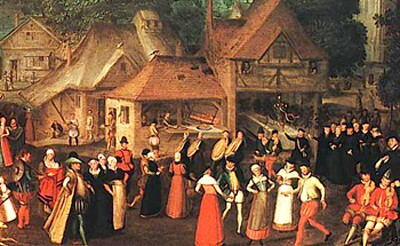
Festivals and fairs
Note
No wealth meant:
- Watching rather than participating in tournaments
- Informal jigs
- Gambling and drinking at alehouses
Note
- Animal baiting
- Attending theatres and travelling plays
- Attending fairs with jugglers, jesters, troupes
- Sports including football and skittles
Why did Puritans not like popular pastimes?
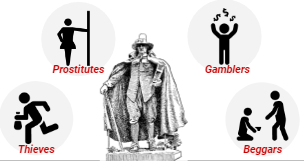
Huge crowds were attracted to popular entertainment, particularly theatre, and Puritans believed that these forms of fun wasted people's time that should be instead spent in praying. They also disapproved of playwrights' ideas, the rude jokes and loud atmosphere in the venues.
Note
Puritans disliked the types of people that were drawn to the theatres:
Response to Puritan concerns with theatres
- In 1574, the authorities of London introduced a system of control and censorship and any inn holding performances required a licence, and had to donate certain sums of money to hospitals within the City.
- Each play was required to be performed before the mayor and councillors prior to its public performance to ensure lewd, seditious riot-provoking content was excluded.
- By 1596, as complaints to theatres were growing, London's authorities banned the public presentation of plays in all theatres, inns and taverns within the city limits of London.
- As a result, all theatres located in the City were forced to move to the south side of the River Thames.
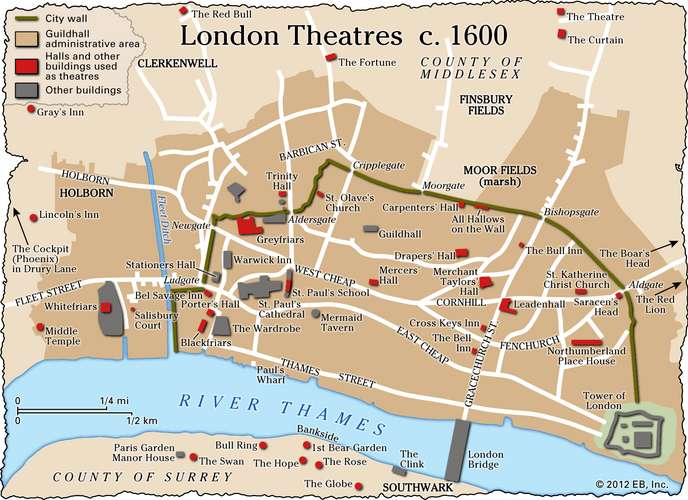
Map of London theatres, c.1600