Trade with the east, including first contacts with India (OCR GCSE History B (Schools History Project)): Revision Notes
📚Revision Notes
Trade with the east, including first contacts with India
Aside from monarchs funding European exploration, merchants who were searching for new markets and goods to sell pushed the exploration to boost trade. English merchants were the driving force behind trade with the east as products such as pepper, cinnamon, nutmeg and cloves were important to Elizabethans.
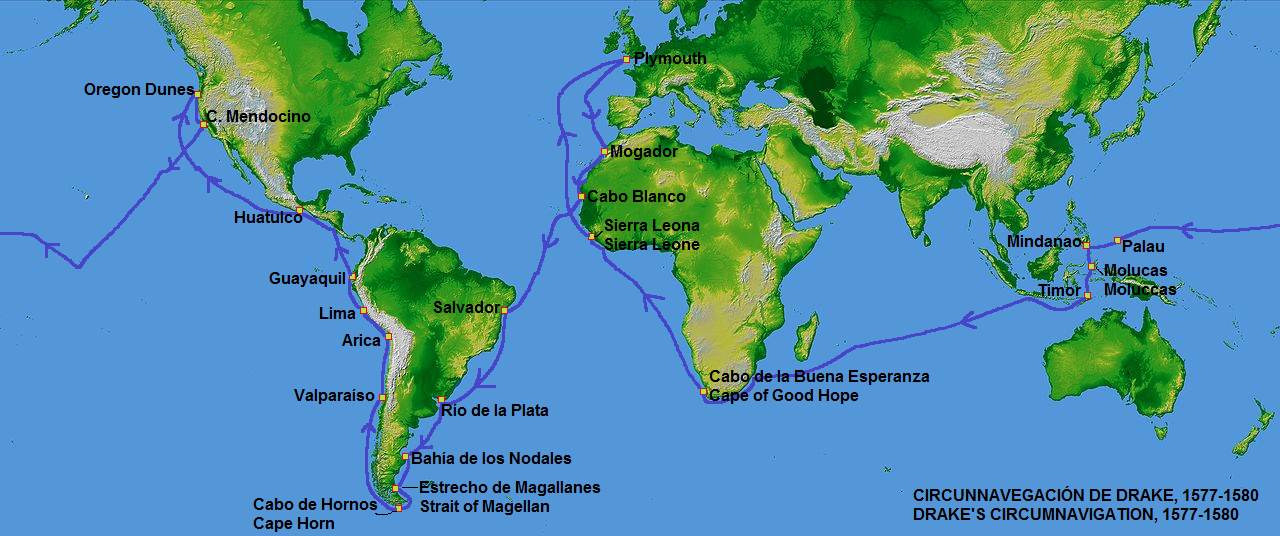
A map of Drake's route around the world
Francis Drake was the first English sailor to circumnavigate the Earth, and brought back to England a cargo of spices. He sailed around Africa, which was a dangerous route. English sailors hoped to discover another route by going north - the so-called Northwest Passage.
The search for the Northwest Passage had been unsuccessful:
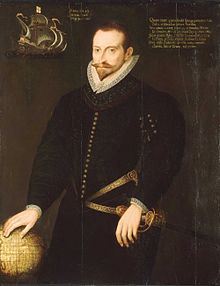
Whilst it was Francis Drake who first reached the East Indies, it was James Lancaster who first established trade with the Spice Islands. When he returned to England with spices and valuable dyes used in the woollen industry, the East India company was set up.
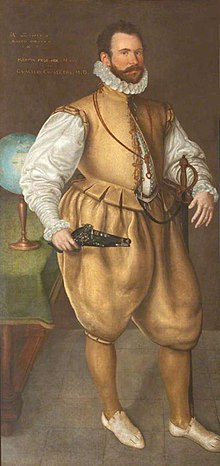
Martin Frobisher attempted to reach China by going round North America, but he was driven back by snow and ice in the Arctic.
John Davis made three separate voyages looking for a northern route to China but he too was driven back by the cold weather.
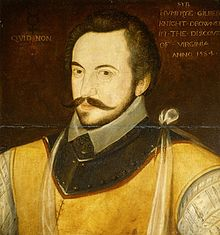
Humphrey Gilbert thought that there was a route around North America, but he failed to return when his ship was hit by storms.
First contact with India
Lancaster took the first of the East India Company's fleets to modern day Indonesia in 1600. He made alliances and set up trading posts. Whilst the company was initially set up to trade with South East Asia (East Indies), it eventually traded more with India and Ceylon (Sri lanka).
Note
Before England established trade in India, the Portuguese Estado da Índia had traded there for much of the 16th century and some Dutch Companies sailed to trade there from 1595.
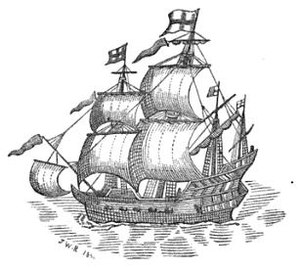
Red Dragon was commanded by James Lancaster. The ship was then used for at least five voyages to the East Indies by the East India Company.
Ralph Fitch was one of the first English sailors to visit India. He spent eight years travelling around the Middle East, Burma and India. He wrote descriptions of South-east Asia and published a book about his travels, in which he mentioned how rich India was. He became a valuable consultant for the East India Company. English merchants became keen to get access to the valuable market that was India.
Glossary of terms
Privateer
A person or ship allowed by a government to attack and steal from ships at sea
Voyage
A course of travel or passage
Circumnavigation
The process of sailing or travelling all the way around something, especially the world
Colony
A group of people living in a new territory but retaining ties with the parent state
Roanoke
An English colony that mysteriously disappeared
Croatoan
A small Native American group living in the coastal areas of what is now North Carolina
Northwest passage
A ship route along the Arctic coast of Canada and Alaska, joining the Atlantic and Pacific oceans
East Indies
The lands of South Asia (the Indian subcontinent) and Southeast Asia
Exam Practise
Task 1
Note
Using your knowledge and analysis of the source, discuss the reasons for the failure of the establishment of Roanoke colony. What do you think was the best explanation for the disappearance of the colony?
Therefore at my departure from them in Anno 1587 I willed them, that if they should happen to be distressed in any of those places, that then they should carve over the letters or name, a Crosse in this forme, but we found no such signe of distresse. And having well considered of this, we passed towards the place where they were left in sundry houses, but we found the houses taken downe, and the place very strongly enclosed with a high palisado of great trees, with cortynes and flankers very Fort-like, and one of the chiefe trees or postes at the right side of the entrance had the barke taken off, and foote from the ground in fayre Capitall letters was graven CROATOAN without any crosse or signe of distresse.
- John White, 1590
Task 2
Note
Analyse the source carefully and discuss the significance of Fitch's narrative in the English trade with the East. Include the impact of the first contacts with India.
Here [India] is great traffike for all sortes of spices and drugges, silke, and cloth of silke, sandales, Elephants teeth, and much China worke, and much sugar which is made of the nutte called Gagara; the tree is called the palmer which is the profitablest tree in the worlde: it doth alwayes beare fruit, and doth yeeld wine, oyle, sugar, vineger, cordes, coles, of the leaves are made thatch for the houses, sayles for shippes, mats to sit or lie on: of the branches they make their houses, and broomes to sweepe, of the tree wood for shippes.
- Excerpt from Narrative of Ralph Fitch