The impact of economic, social and political change on the lives of African Americans (OCR GCSE History B (Schools History Project)): Revision Notes
📚Revision Notes
The impact of economic, social and political change on the lives of African Americans
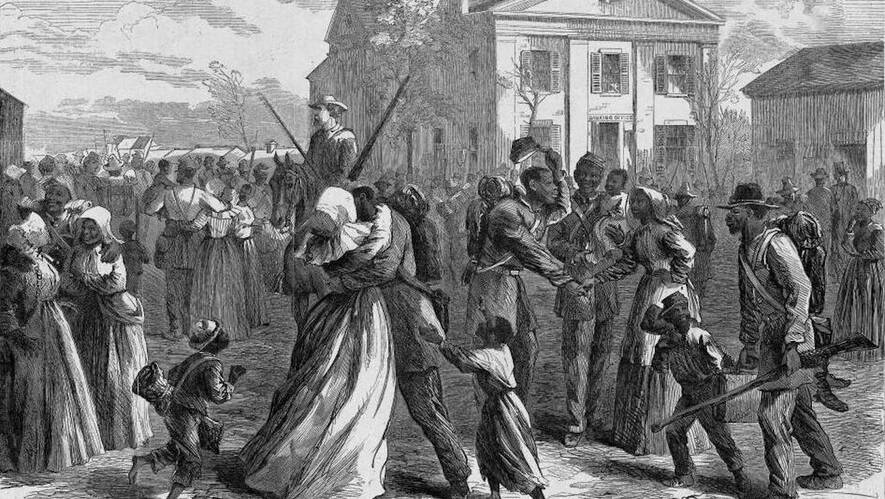
African-Americans reunite with their families in Arkansas after the Civil War
The U.S. Civil War came to an end in 1865. As a result, over four million African-American slaves gained their freedom. Nonetheless, they still experienced harsh conditions, especially in the southern states.
Post-War events in the Southern States
The Ku Klux Klan suppressed and terrorised the formerly enslaved people and prevented them from voting during elections.
Black Americans were forced by the southern states into sharecropping. This meant black farmers worked without pay.
Some black Americans decided to move to the west to file homestead claims in the hopes of a better life. Many of these people went to Kansas, which was seen as a free state. This was heavily promoted later on by Benjamin Singleton, a formerly enslaved.
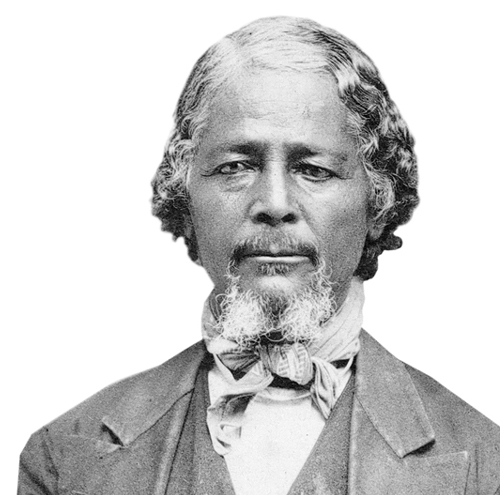
Benjamin Singleton
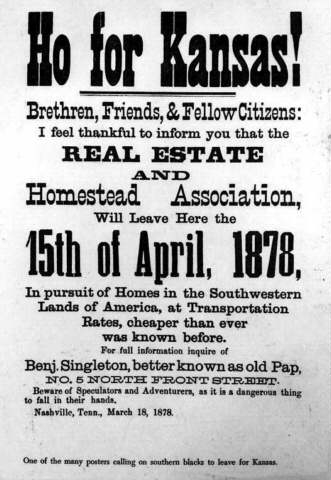
An Exoduster Handbill
Impact of the Exoduster movement
In 1879, the U.S. government was said to be giving land to formerly enslaved for free, which led to 40,000 African-Americans moving to Kansas. This was known as the Exoduster Movement.
By 1880, 43,000 African-Americans had already settled in Kansas and claimed much of the productive land in the area.
Exodusters who arrived in Kansas were left no choice but to occupy land that was difficult to farm.
Exodusters got sick as they passed through areas affected by yellow fever on their way to Kansas.
Migration stalled when others learned about the harsh conditions experienced in Kansas.
The Jim Crow Laws
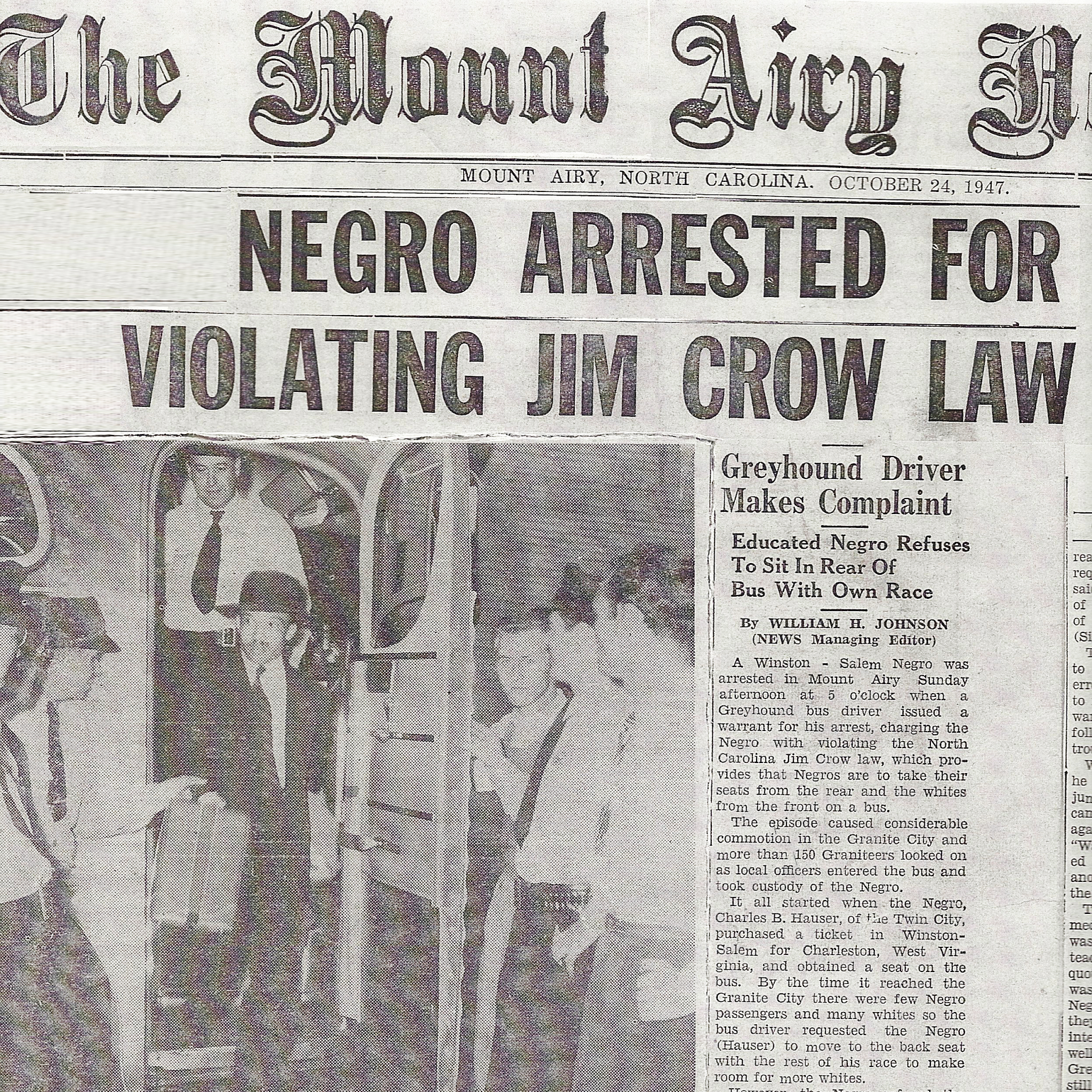
A newspaper headline about the violation of the Jim Crow laws
During the Reconstruction period that aimed to bring back the seceded states and integrate the black population to the United States, white, southern Democrat-dominated state legislatures were created to disenfranchise the black people, particularly the Jim Crow laws.
Note
The Jim Crow laws refers to the series of laws that legalised racial segregation from the end of the Reconstruction period in 1877 until the enactment of the Voting Rights Act in 1965. This series of laws was known for its legal doctrine "separate but equal" that was applied to the facilities made for the blacks.
Note
Crows are blackbirds and the name Crow was the last name of the standard fictional black character played by a white man in blackface makeup from the early to mid-19th century. The name Jim Crow was first used in 1832 by Thomas D. Rice, a white actor performing in blackface makeup to a routine known as "Jump Jim Crow." Jim Crow was, therefore, a derogatory term for African-Americans.
<img src="https://simplestudy-assets-prod.s3.eu-west-1.amazonaws.com/assets/backend/uploads/manually-styled-note-images/ff0c0c81-3958-4838-94b3-3afae34eb56f.png" width="400" height="573" alt="Cover of "Jump Jim Crow" sheet music" />
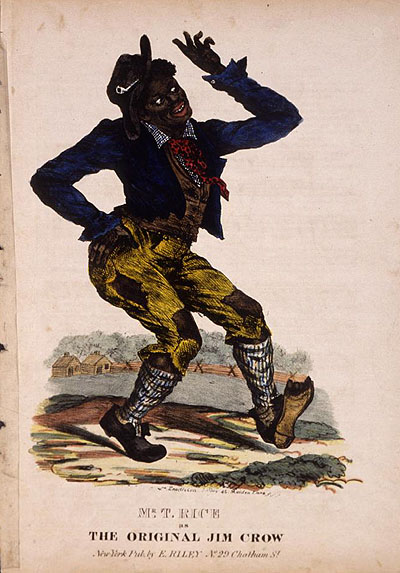
Cover of "Jump Jim Crow" sheet music
Migration of Black people to Northern and Western U.S
To escape the harsh segregation laws in the south, black people continued to move to the northern and western part of the U.S. However, they were faced with other laws and attitudes that barred black people from forming and joining specific types of unions or finding employment in industries that were the preserve of white employees.
Note
Despite the discrimination, in 1896, African-American women established the National Association of Coloured Women that advocated for women's suffrage and the progression of other forms of civil rights.
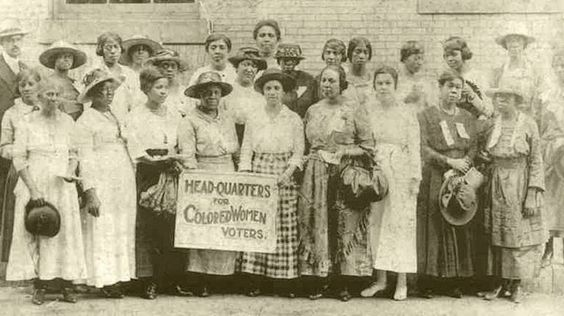
A picture of the National Association of Coloured Women
The Niagara Movement and the Congress for Racial Equality
Note
In 1905, W.E.B. Du Bois and William Monroe Trotter created the Niagara Movement that mobilised black people all over the country to fight against racial inequality. The Niagara Movement went on to become the National Association for the Advancement of Coloured People (NAACP) that fought against social and racial bias through legislative advocacy, court cases and public protests.
Note
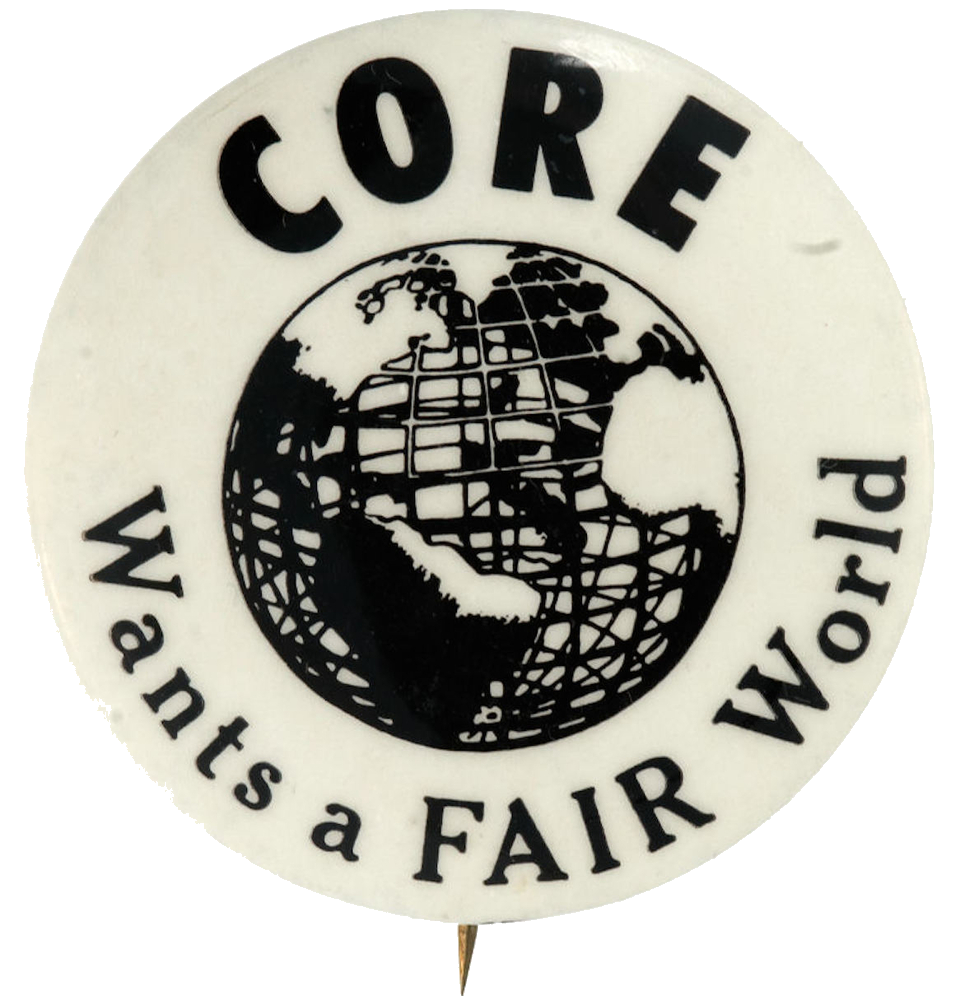
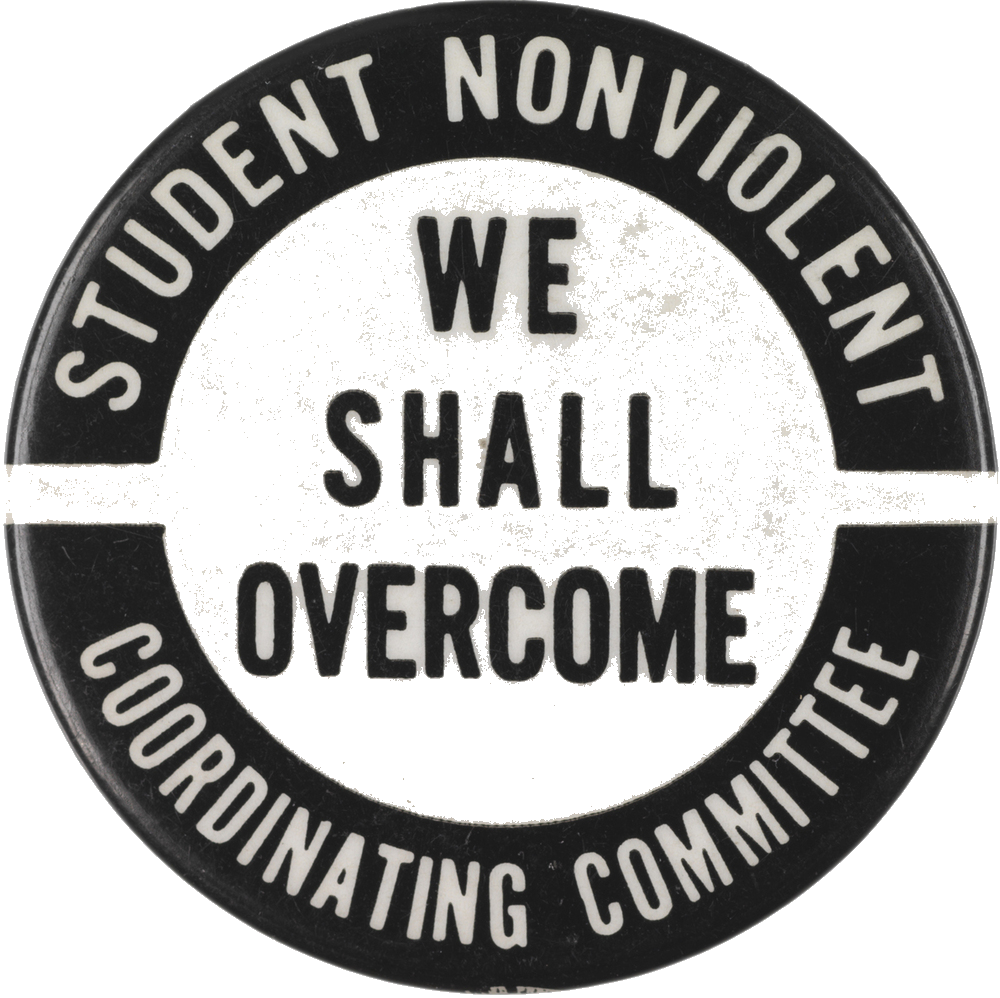
In 1960, the Congress for Racial Equality (CORE) and the Student Nonviolent Coordinating Committee (SNCC) focused on organising peaceful opposition to racial discrimination laws and attitudes throughout the U.S.
Student Nonviolent Coordinating Committee (SNCC)
Congress for Racial Equality
(CORE)