How and why the USA expanded, from 1789 to 1838 (OCR GCSE History B (Schools History Project)): Revision Notes
📚Revision Notes
How and why the USA expanded, from 1789 to 1838
Westward expansion refers to the procurement of the United States of territories across the North American continent from the Atlantic Ocean in the east to the Pacific Ocean in the west. This migration was possible because of a variety of factors. One of which was the Louisiana Purchase that signified the start of U.S. expansion.
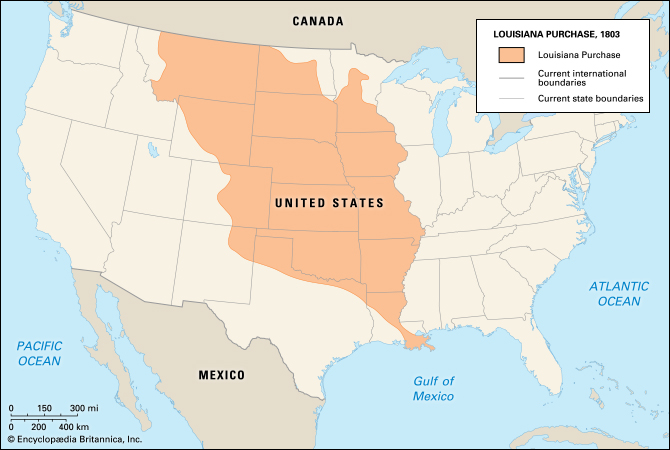
A map showing the Louisiana Purchase
The Louisiana Purchase
Note
The Louisiana Purchase was the greatest land bargain in U.S. history. For less than 3 cents per acre of 828,000 square miles, the purchase of the territory doubled the size of the U.S. and strengthened the country materially and strategically.
Note
The vast territory of Louisiana had been an object of interest way before the purchase in 1803. In 1801, Louisiana was in the process of being ceded from Spain to France.
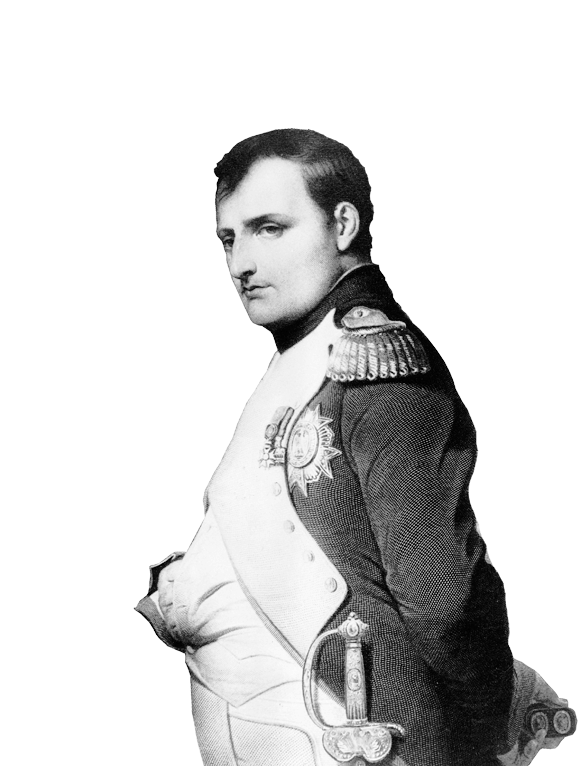
Napoleon Bonaparte
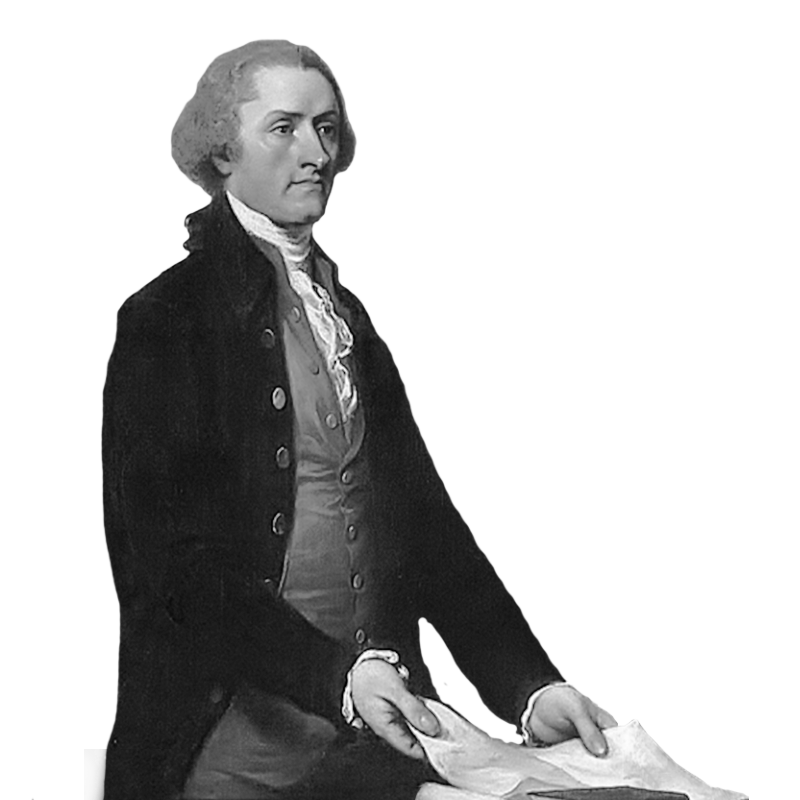
Thomas Jefferson
Note
Due to the Haitian Revolution that weakened the hold of France over the colony of Saint Domingue (now Haiti), it was now difficult for France to defend their North American colonies. It was then that France, then ruled by Napoleon Bonaparte, considered selling all of Louisiana to the U.S., which American President Thomas Jefferson gladly agreed to.
The Significance of the Louisiana Purchase
Note
The acquisition of Louisiana was significant to the U.S. for a number of reasons.
Acquisition of land made westward expansion feasible
United States doubled its size in just one land deal
Trade routes guaranteed considerable boost to U.S. economy
Much of the territory contained vast resources of inestimable value
Made the U.S. a powerful force in the New World
Geographical position gave the U.S. a strategic advantage
Complete hold of the territory without European control
Note
Despite these advantages, however, Congress disapproved of the acquisition as purchasing foreign lands was not in the United States Constitution. Nonetheless, despite being a strict constructionist, Jefferson defended that the Louisiana Purchase was already implied in the law; thus, it was constitutional.
The Transcontinental Treaty
Another factor that allowed westward expansion was the Transcontinental Treaty.
Note
The Transcontinental Treaty (also called Adams-Onís Treaty or Florida Purchase Treaty) was the treaty made by United States and Spain in 1819. After the purchase of Louisiana which sparked border disputes between the U.S. and Spain, the Transcontinental Treaty finally settled the boundaries over the territory.
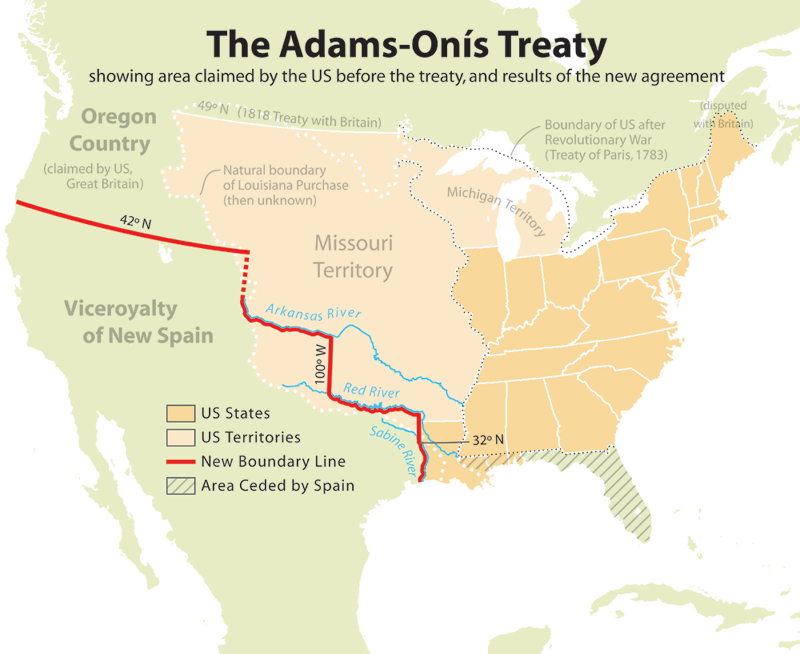
Map of the U.S. showing the territories after the Transcontinental Theory
Note
The key provisions of the treaty consisted of ceding to the United States all the territories held by Spain in the West and East Floridas, creating a "transcontinental" boundary to the west of the Mississippi River. This allowed the U.S. to have direct access to the Pacific Ocean which would help in boosting the U.S. economy.
Note
Aside from being called the Transcontinental Treaty, the purchasing of Florida was also named after the men who negotiated this payment - John Quincy Adams (Secretary of State of the United States) and Don Luis de Onís (Spanish minister in America).
Note
Significance of the Transcontinental Treaty
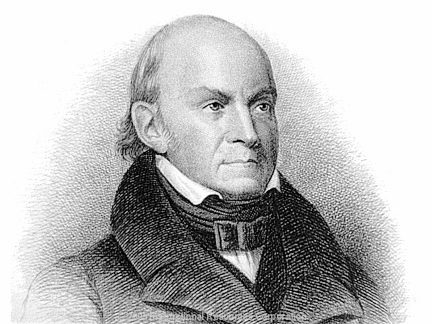
John Quincy Adams
Developments in Transportation
Travelling was a huge part of the migration to the West during the westward expansion; hence, advancements in transportation were inevitable for an easier and faster way to travel.
Note
The steamboat of the 1800s was one of the transportation advancements that aided the migration during the westward expansion. Moreover, the American population in the west rose with the help of the steamboat.
Note
Robert Fulton and Robert Livingston were the ones who introduced the first steamboat, known as the Clermont. These steamboats quickly received public praise and became the preferred mode of water transportation.

Robert Fulton

Robert Livingston
Note
As steamboats became popular, building of canals grew in the 1830s. The Erie Canal (begun in 1817 and completed in 1825) was the nation's first important transportation system, stretching up to 363 miles, that connected the Atlantic Ocean to Lake Erie. The growing canal system was able to connect the manufacturing centres and major trading of the country that resulted in a drop in shipping costs.
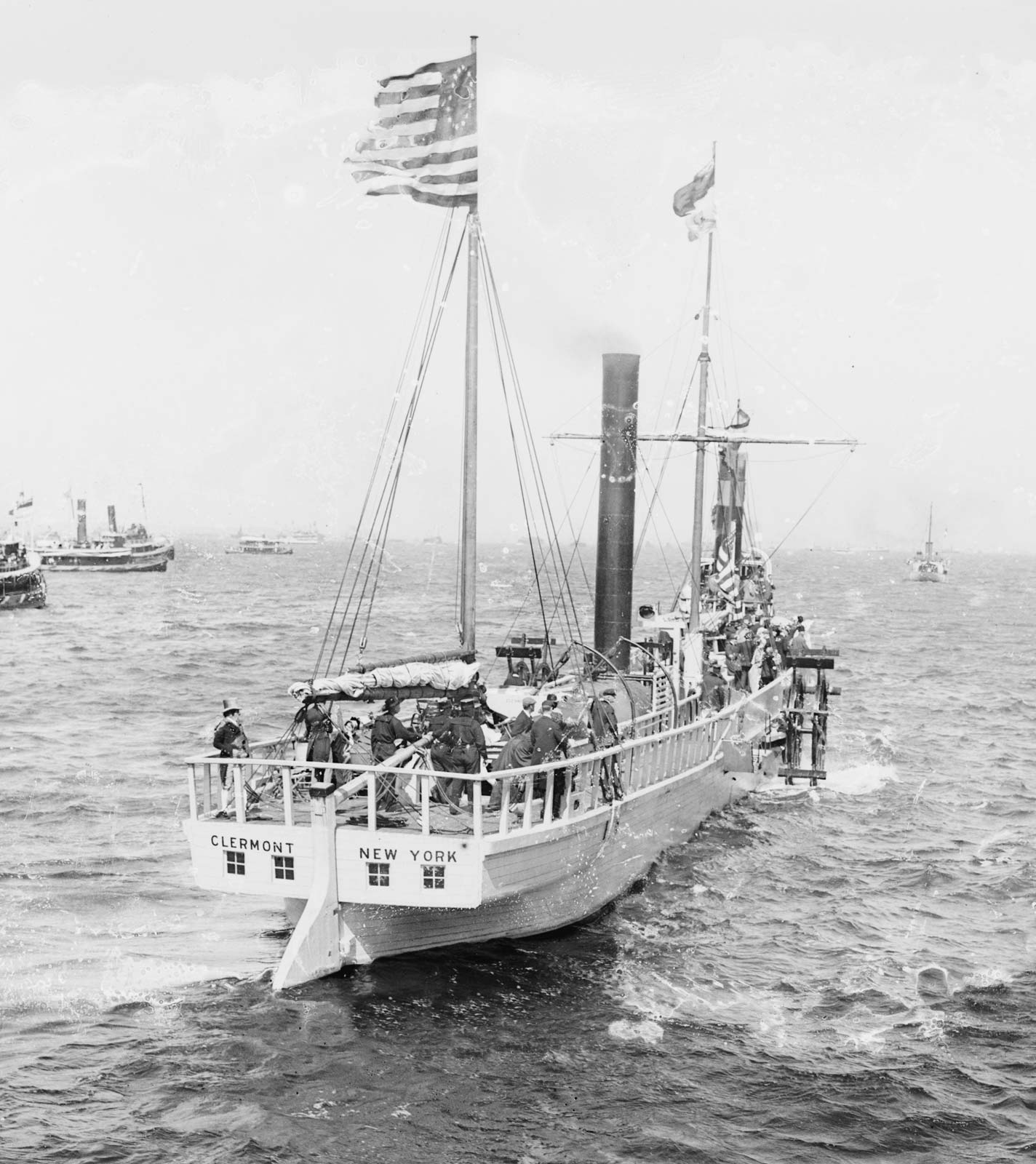
A replica of the Clermont
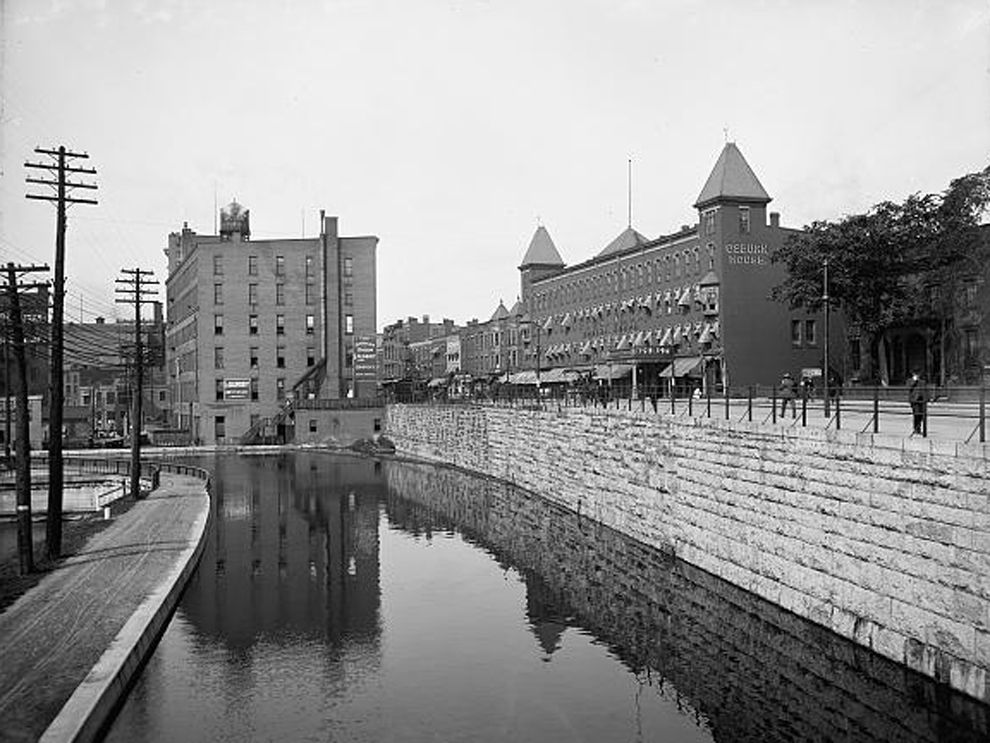
Erie Canal
Note
Another development were roads. Before, there were only a few roads with some of them not in good condition. For this reason, travelling by waggon became very difficult and dangerous. However, in 1817, roads started to be developed through the construction of the National Road (or Cumberland Road).
Note
The National Road was a route of crushed stone and it was the largest road building project before the 20th century. Though it was not as advanced as the roads we have now, it was a huge improvement for easier and quicker travel.
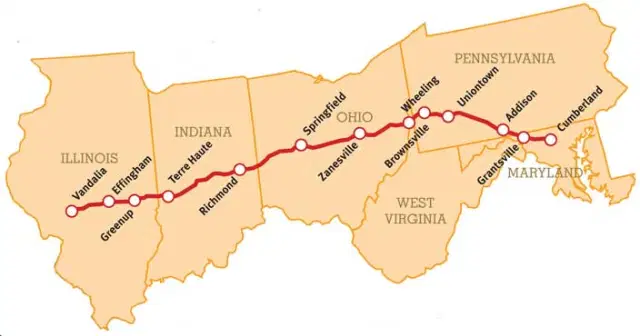
A map showing the National Road
Note
The construction of steamboats, canals and roads all aided in the migration of settlers during the westward expansion.
Ever since, the pioneers of the United States have been expanding the country westward. This was due to a number of reasons, mainly: economic opportunities, government support and cultural messaging.
Note
When Jefferson purchased the Louisiana territory from France, hundreds of settlers started to migrate westward in the hopes that they would be able to boost their profits from the fertile land that the west had to offer.
Note
In addition, the expanse of land would provide more work opportunities in the field of agriculture, mining and railroad making.
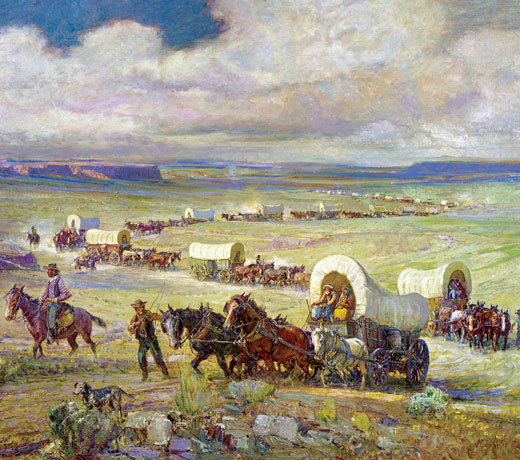
A scene depiction of settlers migrating to the west
Government Initiatives
Note
With the nation being overpopulated in the east, the government sought solutions to encourage people to go west. Great reports were spread about how wonderful the west was and the numerous economic opportunities that came along with it. This encouraged the settlers to migrate to the west.
Note
Moreover, the government supported the idea of enlarging the "empire for liberty". With the Louisiana Purchase, the nation became eager to expand and become a force to be reckoned with in the New World.
<img src="https://simplestudy-assets-prod.s3.eu-west-1.amazonaws.com/assets/backend/uploads/manually-styled-note-images/f6a240ad-0dbc-4ea9-9da1-625fdb7bcee1.png" width="700" height="495" alt="Editorial cartoon showing the irony of the "empire of liberty"" />
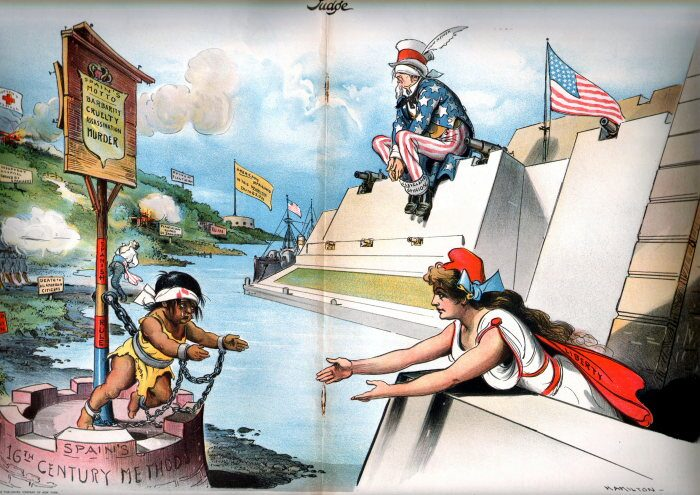
Editorial cartoon showing the irony of the "empire of liberty"
Ideological Motivations Behind Westward Expansion
Note
Americans believed that they were superior to other cultures. Moreover, they thought that God gave them a divine mission to set forth and grow in the west. This belief was central to the so-called Manifest Destiny.
Note
Politicians saw that the westward expansion was a national mission to share their ideas of a democratic institution and self-governance. In addition, white settlers believed that they could utilise the land more effectively than the indigenous inhabitants, who were either Spanish-Mexicans or Native Indians, that they regarded respectively as lazy and savage.
Note
In line with this cultural superiority that Americans embodied, was the idea of slavery - an added factor to expand and migrate westward. As the young American nation was establishing itself, political and legal thought shifted and institutions evolved in a manner that facilitated the slave system. When states started to debate slavery, the westward expansion became an opportunity for each party to spread their particular agenda.