The expansion of southern cotton plantations and of slavery, 1793–1838 (OCR GCSE History B (Schools History Project)): Revision Notes
📚Revision Notes
The expansion of southern cotton plantations and of slavery, 1793–1838
The westward expansion opened numerous economic opportunities to the citizens of the United States, especially the south whose economic backbone was cotton plantations.
Note
In the late 18th century, the tobacco economy that sustained the southern states of the U.S. was in deep crisis. Nevertheless, technological innovations breathed life into a new crop and made southern economy flourish as never before. This crop was cotton and the innovation was the cotton gin.
Note
Before the cotton gin, an average person could only make one pound of cotton per day. After the invention of the cotton gin in 1793 by Eli Whitney, they were able to work through fifty pounds in a day. This was remarkable, especially in the midst of a crisis with tobacco production.
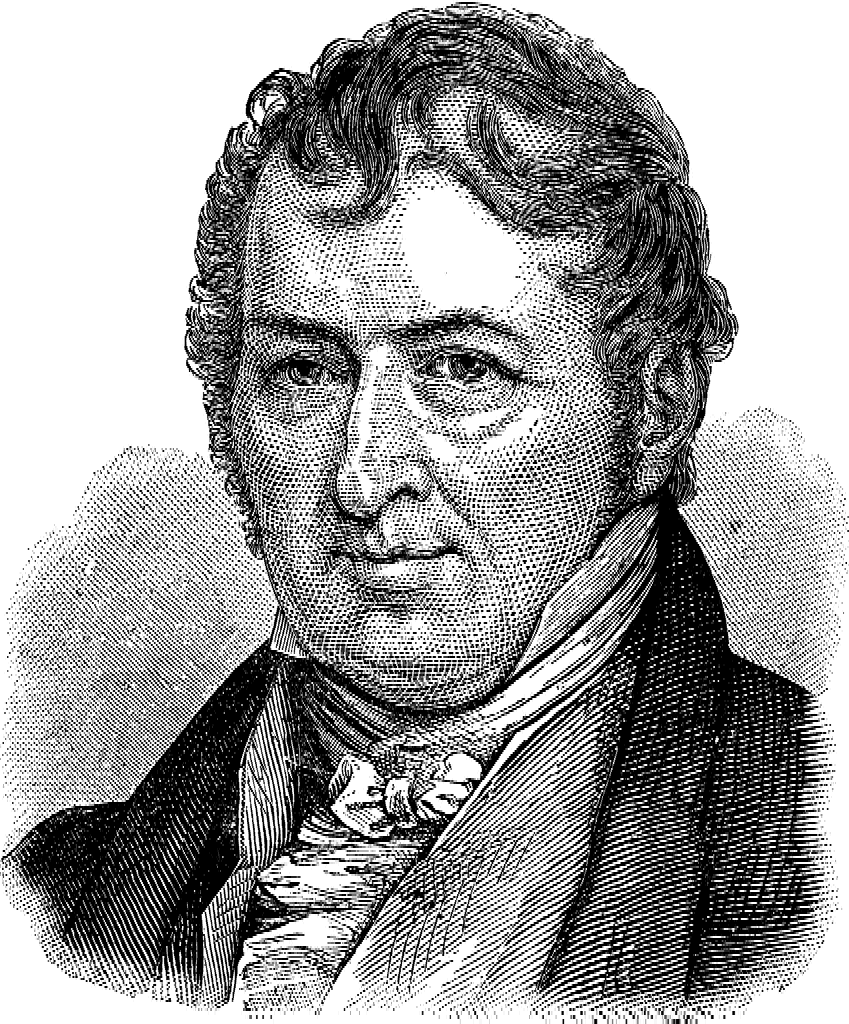
Eli Whitney
Note
By 1812, there was a considerable increase in cotton farming, called the Cotton Boom. Between 1801 and 1835 alone, cotton exports in the United States grew to more than a million.
Note
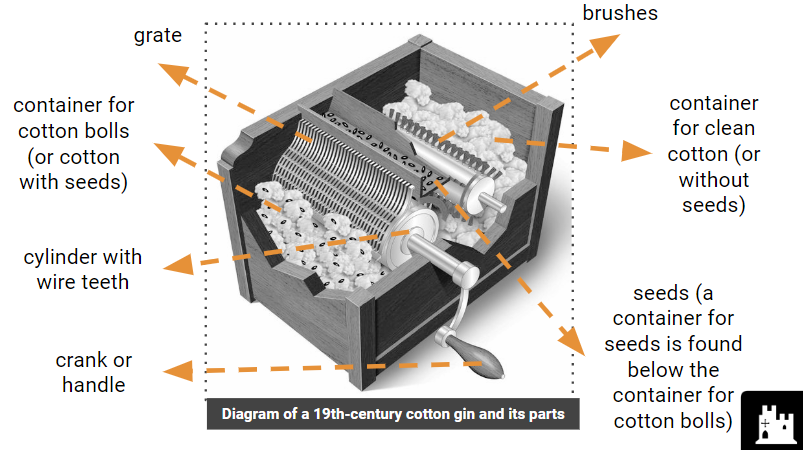
The original design of the cotton gin was simple. It did not have the complex mechanisms that the modern cotton gin has today. Despite its simplicity, it served a great purpose during this time as it was able to separate the seeds from the cotton fibres faster than the human hand.
Note
Southerners knew that if they left the Union, the north would have an overwhelming advantage in terms of population and wealth. However, with the Cotton Boom, southerners felt optimistic about their future. To pro-secessionists in the south, seceding from the Union was feasible because of the economic development brought by the cotton industry.
Note
The slogan "King Cotton" rose within the southern states to indicate the importance of cotton production economically and politically.
<img src="https://simplestudy-assets-prod.s3.eu-west-1.amazonaws.com/assets/backend/uploads/manually-styled-note-images/e869c510-5928-429f-93f1-f53b4cf2e74b.png" width="480" height="457" alt="A cartoon depiction of "King Cotton"" />
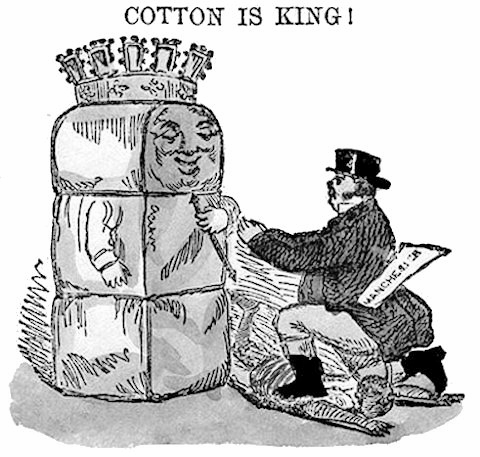
A cartoon depiction of "King Cotton"
Note
The Cotton Boom may have had its advantages in terms of the rise of the economy in the south, but it also had its disadvantages, specifically regarding slavery. When Whitney's cotton gin was created, many would have thought that it would reduce the need for more enslaved people since the machine could replace human labour. In reality, the increase in production of cotton would increase its demand; thus, more enslaved people were needed to make and export more cotton to meet the demands.
Note
Cotton production, despite the creation of the cotton gin, required land and labour. Land was already expensive so the southerners had to find a way to save more money. This resulted in slavery as it was a cheap form of labour.
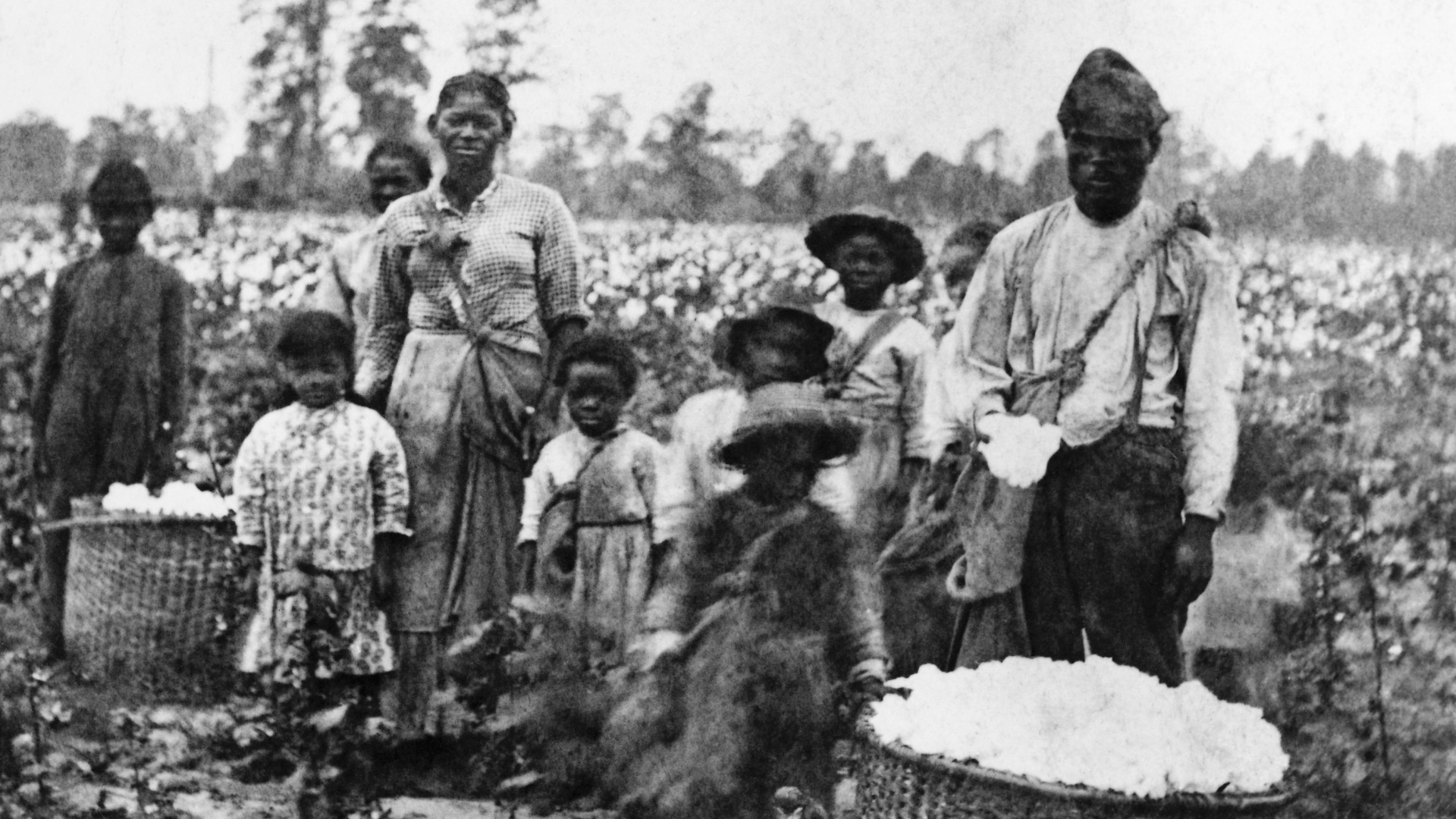
Enslaved Africans, adult and children alike, working on cotton plantations
Note
Enslaved people weren't paid money but only food and shelter — this was also limited as it was up to their enslavers whether they would be given good food and shelter. As the southerners saved money through enslaved people, they were able to invest more in their business.