The African American experience of the Civil War, 1861–1865 (OCR GCSE History B (Schools History Project)): Revision Notes
📚Revision Notes
The African American experience of the Civil War, 1861–1865
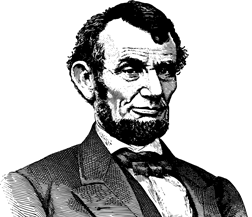
"My paramount object in this struggle is to save the Union and is not either to save or to destroy slavery. If I could save the Union without freeing any slave I would do it, and if I could save it by freeing all the slaves I would do it; and if I could save it by freeing some and leaving others alone I would also do that."
- Abraham Lincoln 1862
Note
In July 1862, Congress passed two acts: The Militia Act that allowed black men to serve as labourers in the U.S. armed forces; and the Confiscation Act that mandated enslaved people seized from Confederate supporters to be declared forever free. Abolitionists criticised Lincoln for not creating a stronger emancipation policy, to which Lincoln replied that saving the Union came first before anything else.
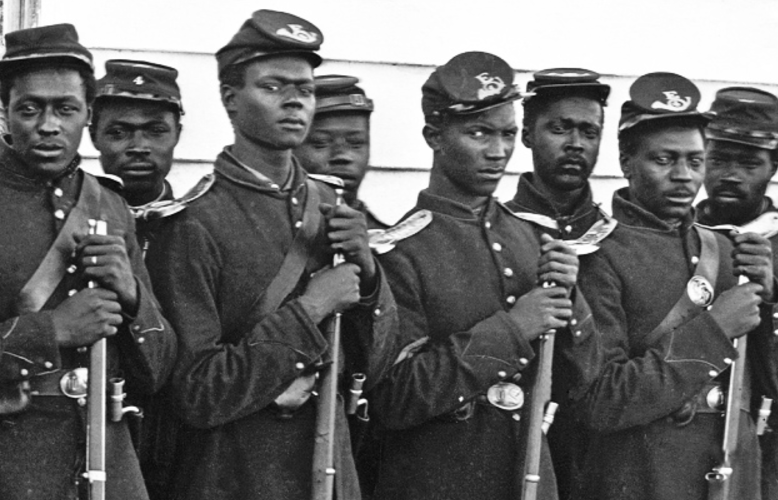
African-American Union soldiers during the U.S. Civil War
Note
In late July 1962, Lincoln drafted a preliminary document of the Emancipation Proclamation, which some of his advisors supported. Others, however, were either apathetic or worried that the Proclamation was too radical. It was then that Lincoln took the advice of William Seward, his secretary of state that urged him to wait until a significant victory of the Union before announcing the emancipation.
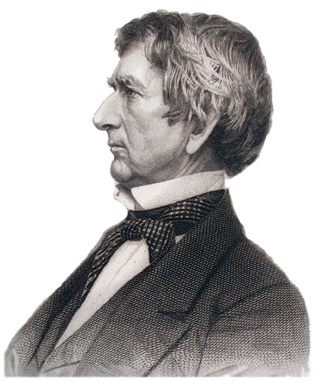
William Seward
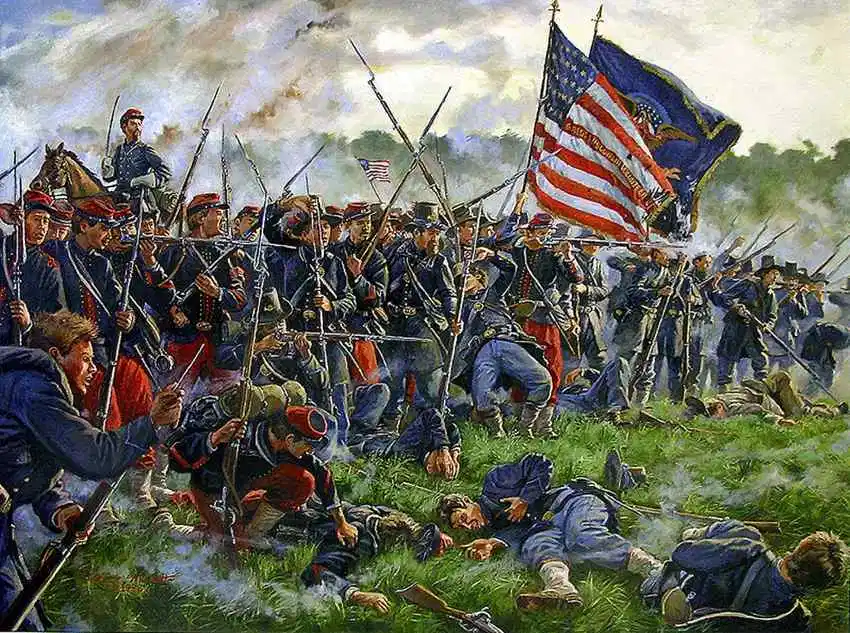
A scene depiction of the Battle of Antietam
Note
On 22 September, days after the Battle of Antietam in the Civil War, Lincoln announced the preliminary Emancipation Proclamation that called on the Confederacy to join the Union within 100 days or else their enslaved people would be declared "thenceforward, and forever free". The Battle of Antietam provided the necessary Union victory - as advised by William Seward to Abraham Lincoln - to issue the Emancipation Proclamation.
Note
On 1 January 1863, 100 days after the preliminary emancipation, no Confederate states yielded. Lincoln, to his word, signed the final Emancipation Proclamation. It changed the focus and legitimate aim of the war from preserving the Union, to the freedom of enslaved people.

Emancipation Proclamation
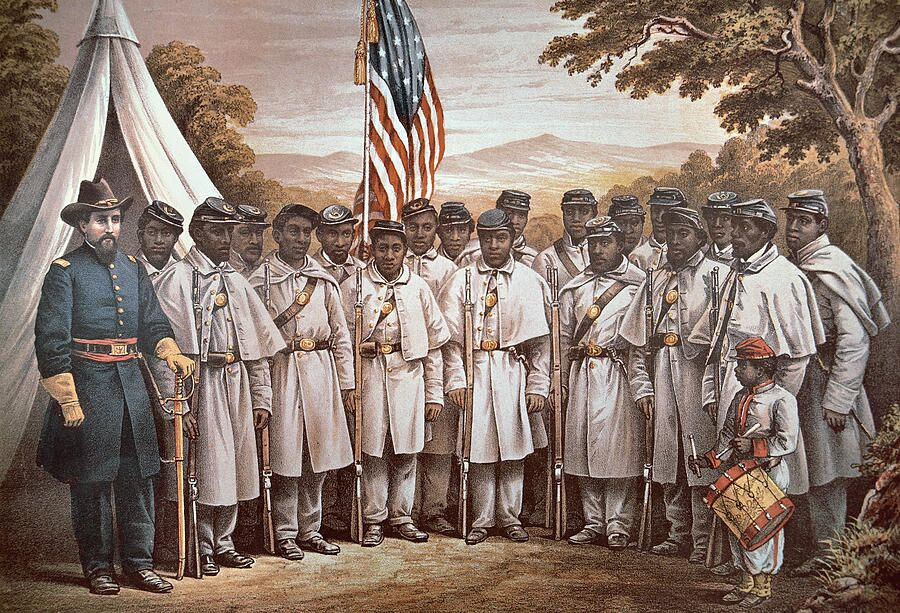
The United States Coloured Troops
Note
With the announcement of the Emancipation Proclamation about 200,000 African-Americans fought for the Union by the end of the war, thus, providing more force. Enslaved people believed that fighting for the Union meant fighting for their freedom. More enslaved people in the south escaped to free states and joined the Union army and navy.
Effects of the Emancipation Proclamation
- Being a war tactic, it ensured Union victory.
- Ex-slaves were invited to serve in the Union Army.
- It increased Union manpower.
- It paved the way for formerly enslaved to fight for their freedom.
- It prevented European nations, who were against slavery but traded with the south, from aiding the Confederacy.
- The concept of freedom drove federal troops, which now included African-Americans motivated by the prospect of liberation.
Note
The Emancipation Proclamation, in effect, had little impact on the freeing of the enslaved people of the nation. Nevertheless, it was a symbolic moment that paved the way towards the abolishment of slavery which, under the Thirteenth Amendment, was ratified two years after.
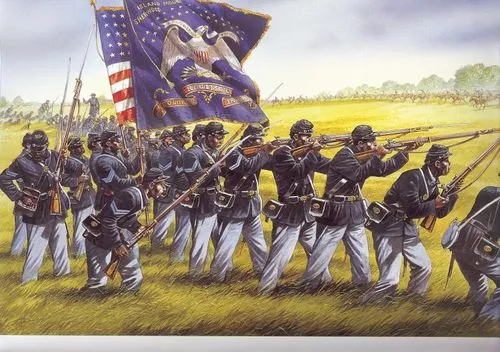
A depiction of African-American troops in action during the war`