Homesteaders: living and farming on the Plains (OCR GCSE History B (Schools History Project)): Revision Notes
📚Revision Notes
Homesteaders: living and farming on the Plains
The Homestead Act
In 1862, the Homestead Act was passed allowing families to claim 162 acres of farm land for five years, after which they could claim it as their own. In response, thousands of European immigrants and freedmen claimed land in the west. They were called homesteaders. As they settled the Plains, many encountered problems with ranch owners and Indians.
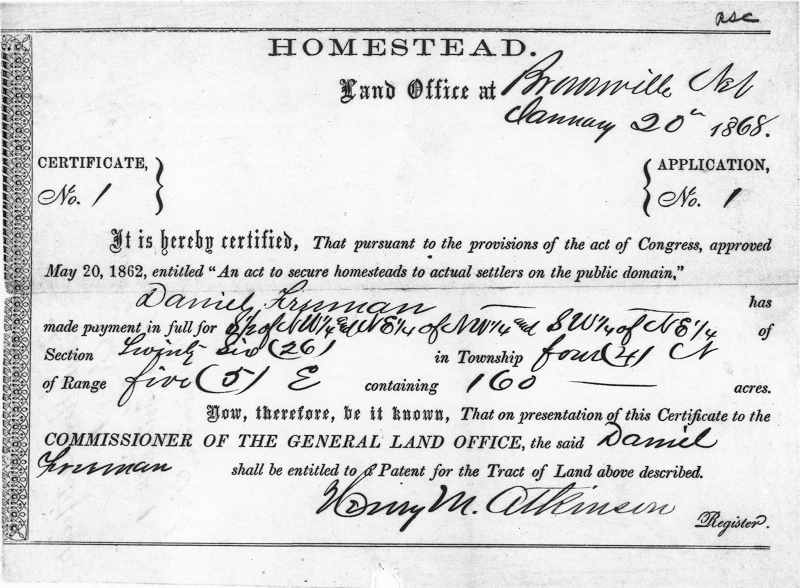
Certificate of homestead in Nebraska given under the Homestead Act
Note
Before the Homestead Act of 1862 was implemented, land in the west cost around one dollar ($1) per acre. For ordinary families, this was still very expensive. When the act was passed in Congress in May 1862, it provided families with a different mechanism for them to afford land.
Features of the Act
It allowed families to buy 160 acres of land (known as homesteads) for $10 on the condition that it would be used to build a home and establish a farm.
Aims of the Act
It aimed to convince migrants to settle in the west so that land would not be owned primarily by the rich, and more taxes could be collected from smaller farms owned by many families.
Mechanisms of the Act
If a person was older than 21 years, they could file a claim (also called buying a homestead) and work on the land on their own. The act did not include the Plains Indians.
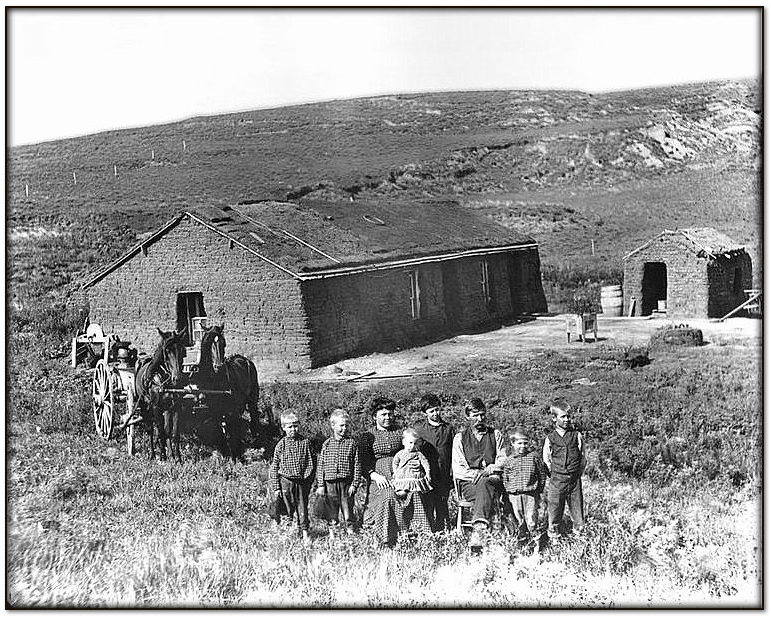
Nebraska homesteaders
Note
Based on the law passed, the process was this: an individual would file an application, then he/she would improve the land, and file for the patent. However, Native Americans lost much of their land because of this law.
Significance of the Homestead Act of 1862
The Homestead Act was successful in terms of the number of people who claimed land, migrated and permanently settled on the Great Plains. By 1876, more than six million acres of land was claimed.
Despite its success, the act had its pitfalls. For example, even if more land was claimed, 60% of the homesteads did not meet the conditions set out by the act due to poor farming conditions on the Plains.
In addition, some landowners veered away from the aims of the act. They either sold their claims to others for profit or filed claims and were forced to turn it over to rich landowners, which was clearly a violation of the Homestead Act.
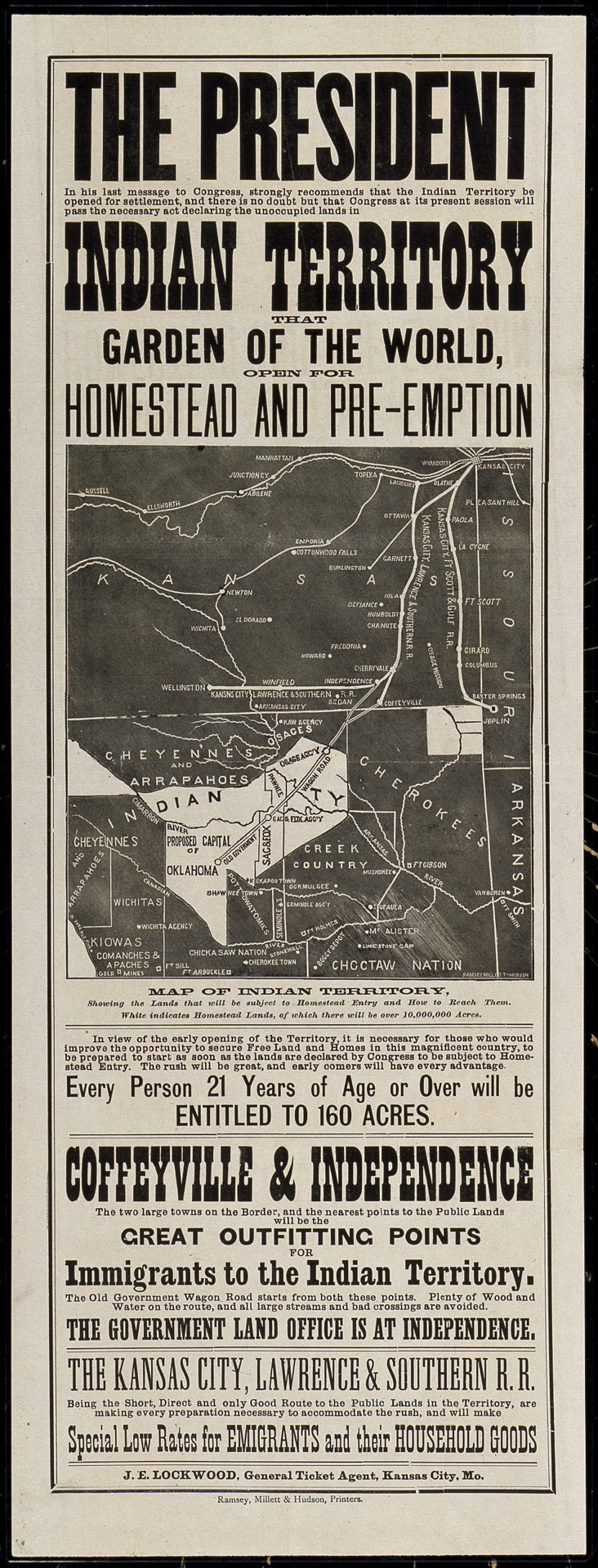
Railroad advertisement for the act
Problems and Solutions to continued settlement in the West
Problems:
Farming was difficult due to hard soil and insufficient tools like ploughs and machines.
Terrible droughts followed by fire.
Lack of food due to the inability to grow crops.
Insect pests like grasshoppers destroyed crops.
Maintaining law and order over rival settlers, bandits and vigilantes.
Solutions:
Using steel ploughs; sodbusters also known as thresher teams were hired by farmers to plough.
A new method of dry farming was developed and crops like Turkey Red, a variety of wheat, were grown. Moreover, drillers and windpumps allowed deep groundwater to be reached.
The government expanded land acquisition through the Timber Culture Act.
Farmers were able to use insecticides through government relief funds.
Sheriffs along with lower courts established law and order.
Impact of the Homestead Act of 1862
Development of Settlements in the West. The Homestead Act of 1862 further opened up the west to more settlement and development, which resulted in a greater increase in agricultural activities, as well as the discovery and exploitation of natural resources. Furthermore, development of towns and job creation also attracted people to settle in the region.
The Rise of the Transcontinental Railroad. At the time the act was receiving presidential assent, the Transcontinental Railroad received Congressional approval. It also enabled further settlements to the west by easing transportation of people and goods to the region by replacing caravans, waggons and other forms of long-distance travelling options.
Intensifying Wars in the Region. The act had a negative impact on the Plains Indians and it further intensified wars between them and the white settlers in the region. Also, not all the land in the west was conducive for farming, which resulted in hunger and abandonment of land by Homesteaders during the early implementation of the law.