The Indian Wars (OCR GCSE History B (Schools History Project)): Revision Notes
📚Revision Notes
The Indian Wars
Little Crow's War
By the 1860s, tensions between the Plains Indians and the U.S. army rose over access to the scarce water and grass resources of the Plains. As a result of this, the huge rebellion in 1862 Minnesota happened through the Little Crow's War resulting in the largest mass execution in U.S. history.
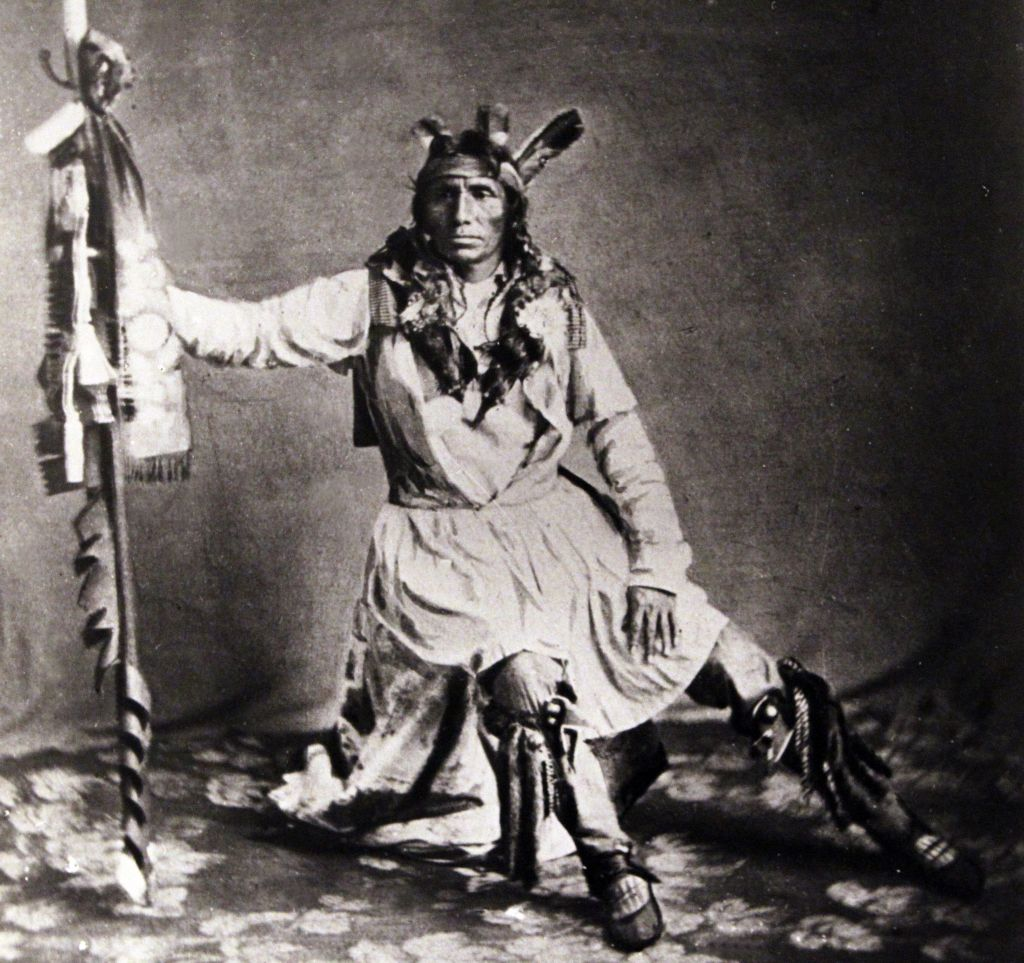
Little Crow, chief of a band of the Dakota Sioux
Note
1851. Little Crow, together with his band, agreed to move to land reserved to them by the U.S. government in southern Minnesota. As a result, they gave up 24 million acres of land in exchange for protection and supplies of food, money and other products. However, they realised that life was difficult in the reservations.
Note
1861. Life in the reservations became more difficult when disease began to spread in their crops and no annuities or supplies arrived. This resulted in starvation. Some Indians resorted to eating grass. Reservation agents did not give them food even though there was a lot of it in storehouses.
Note
17 August 1862. Despite Little Crow's efforts to restrain his people from attacking white settlers and the government's army, four Sioux men attacked and killed five white Americans. This was followed by an attack on the Indian Agency. The Indians began to steal food from storehouses and attacked more soldiers and white settlers.
Note
As a result of these attacks, 700 white settlers and U.S. soldiers died. Army reinforcements were sent by the U.S. government in retaliation for the Indians' attack. Realising that his tribe was not capable of winning the war, Little Crow and the Dakota Sioux tribe surrendered to the U.S. government and army.
Consequences of the Little Crow's War
400 Sioux warriors were given the death sentence. Only 38 of them received it after being proven to be involved in the attacks.
In 1863, the rest of the Dakota Sioux tribe was forced to move to a new reservation called the Crow Creek.
Life there was more difficult since there was little food or water in the area. Much of the land was barren and unsuitable for farming.
400 people died during their first winter in the area.
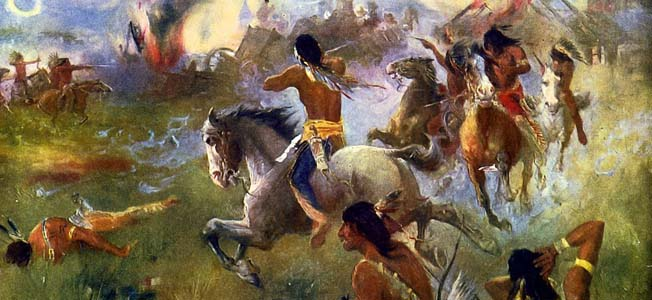
*Scene depiction of the Little Crow's War *
The Red Cloud's War (1865–1868)
With the events of the Little Crow's War, tensions continued to rise between the Plains Indians and the U.S. Army. By 1866, the Sioux and Cheyenne joined forces and became increasingly angry at settlers travelling through their territory to Wyoming. Between 1866 and 1868, Lakota Chief Red Cloud fought the U.S. Army through the Red Cloud's War where the Indians emerged victorious and were granted a vast reservation in the north.
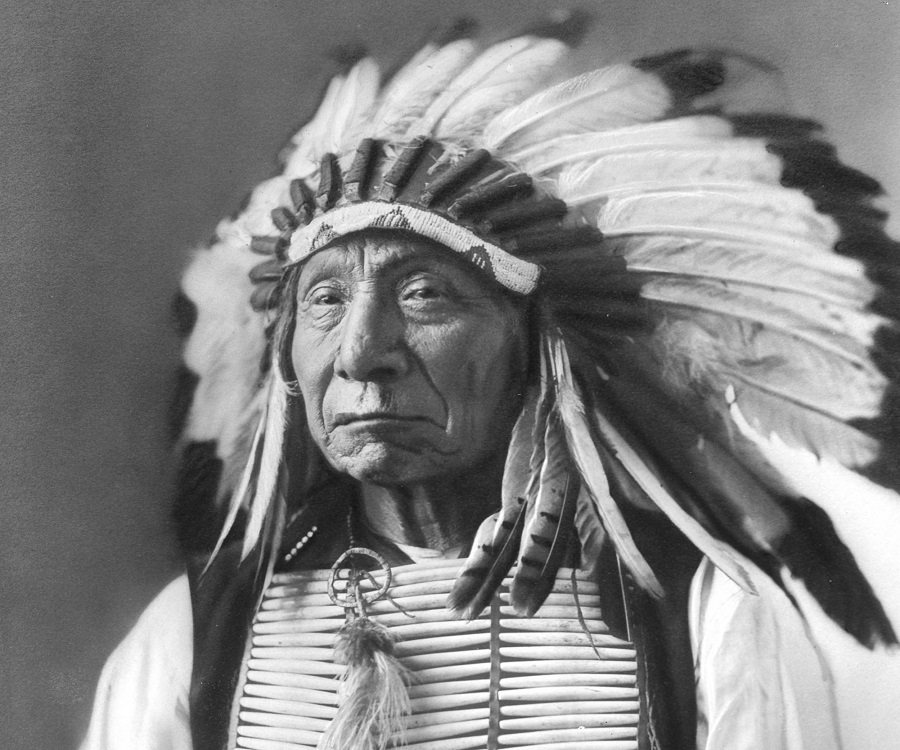
Red Cloud, chief of Lakota Sioux
Note
In 1862, gold was discovered in Montana. In order to reach the area, the gold prospectors used the Bozeman Trail. This trail crossed through the hunting areas of the Lakota Sioux, which meant that prospectors were trespassers and were attacked.
Note
In 1866, a new treaty was made to resolve conflict with the Lakota Sioux tribe. The United States government asked permission from the tribe to allow gold prospectors to pass through their land. However, Red Cloud discovered that forts were built by the government along the trail.
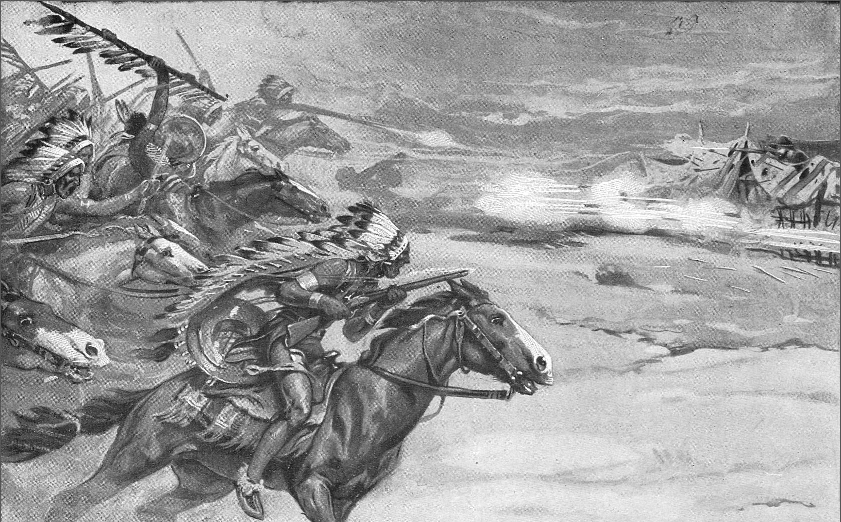
Scene depiction of Red Cloud's War
Note
When Cloud discovered this, he immediately put an end to negotiations and started attacking a fort along the trail on 21 December, 1866. A tactical plan was made to trap the U.S. soldiers, who were killed, stripped and scalped.
Significance of the Red Cloud's war
This was considered a major defeat for the U.S. government.
With this, the U.S. government renewed negotiations with the Lakota Sioux tribe, which led to the signing of a new treaty in Fort Laramie in 1868.
The Great Sioux War (1876–1877)
The Great Sioux War was a series of disputes between Native Americans and the United States. It is considered the largest and greatest U.S. Army-Indian war in American history. It lasted 18 months from March 1876 to September 1877. Its most iconic battle was the Battle of Little Bighorn.
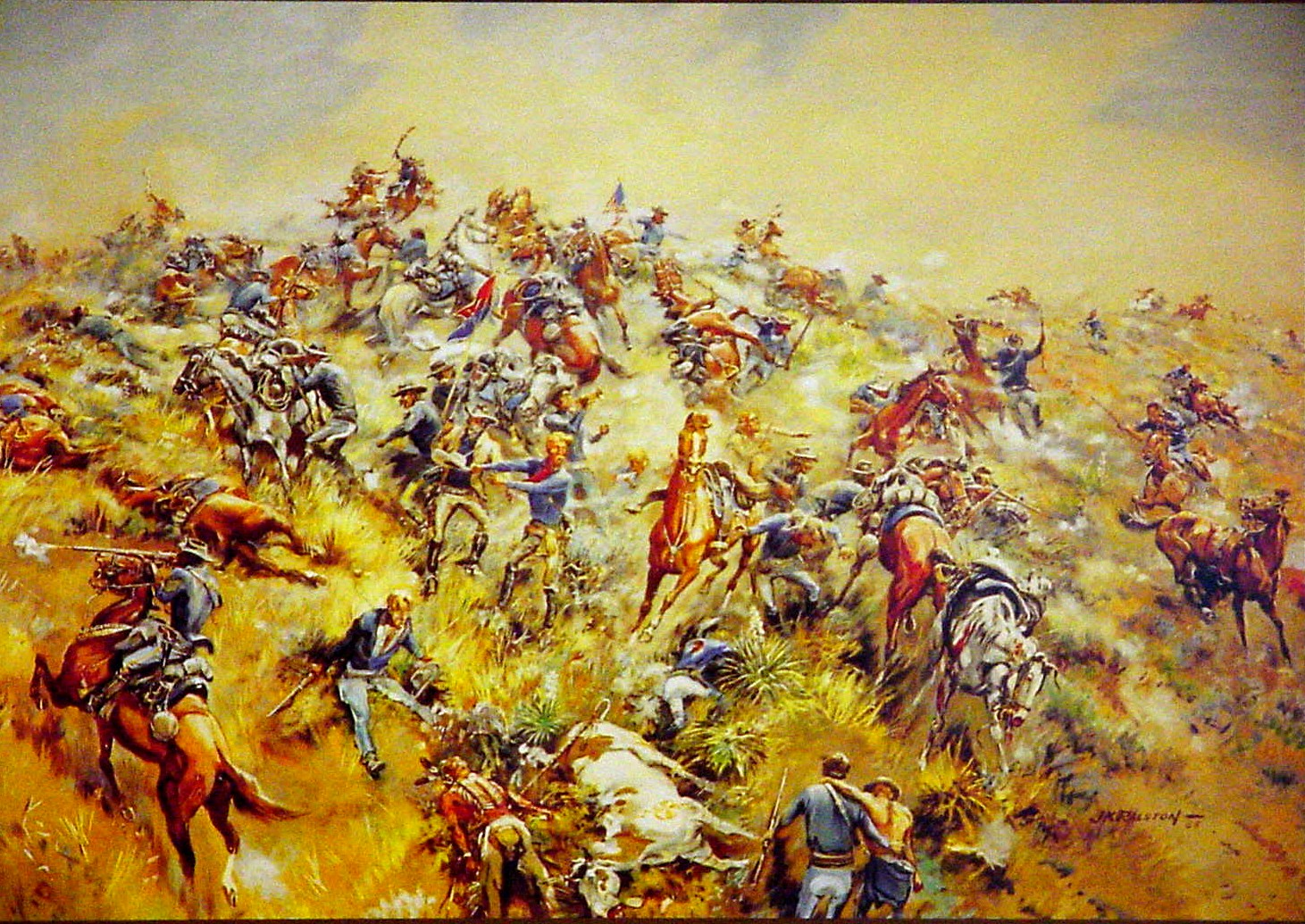
Scene depiction of a battle from the Great Sioux War
The Battle of Little Bighorn
Note
The Battle of Little Bighorn in 1876 is regarded as one of the greatest victories of the Sioux Indians, which greatly embarrassed the U.S. government.
Note
On 25 June, 1876, Lieutenant Colonel George Armstrong Custer and his troops fought against a band of Lakota Sioux and Cheyenne warriors near the Little Bighorn River in Montana.
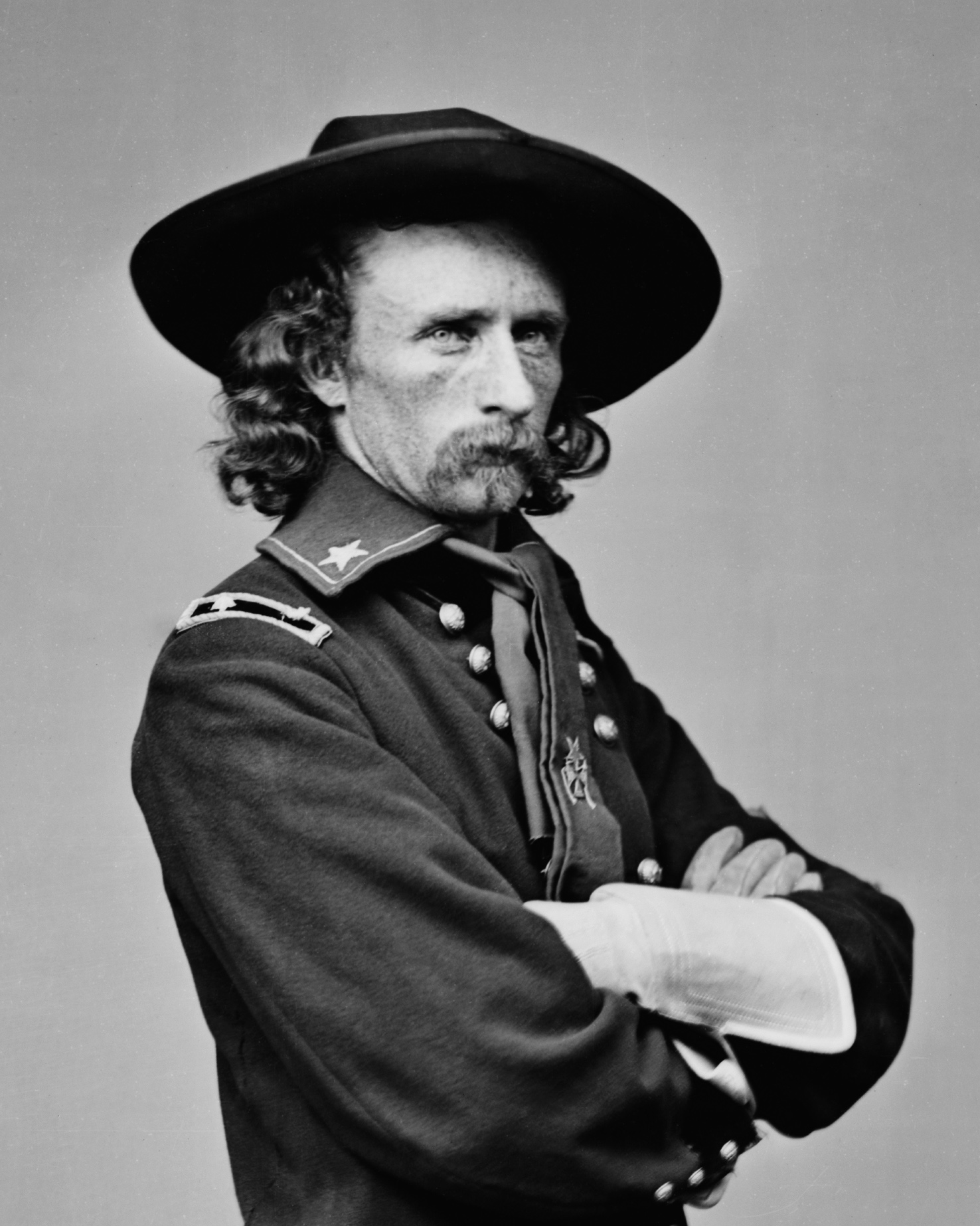
George Armstrong Custer
Note
Since the discovery of gold in many parts of Native American lands, tensions between its occupants and prospectors continued to grow. In 1875, gold deposits discovered in South Dakota's Black Hills were followed by an invasion of the U.S. Army, which flouted previous treaties.
Note
In response to this betrayal, Sioux and Cheyenne people left their reservations and joined Sitting Bull and Crazy Horse in Montana.
Sitting Bull
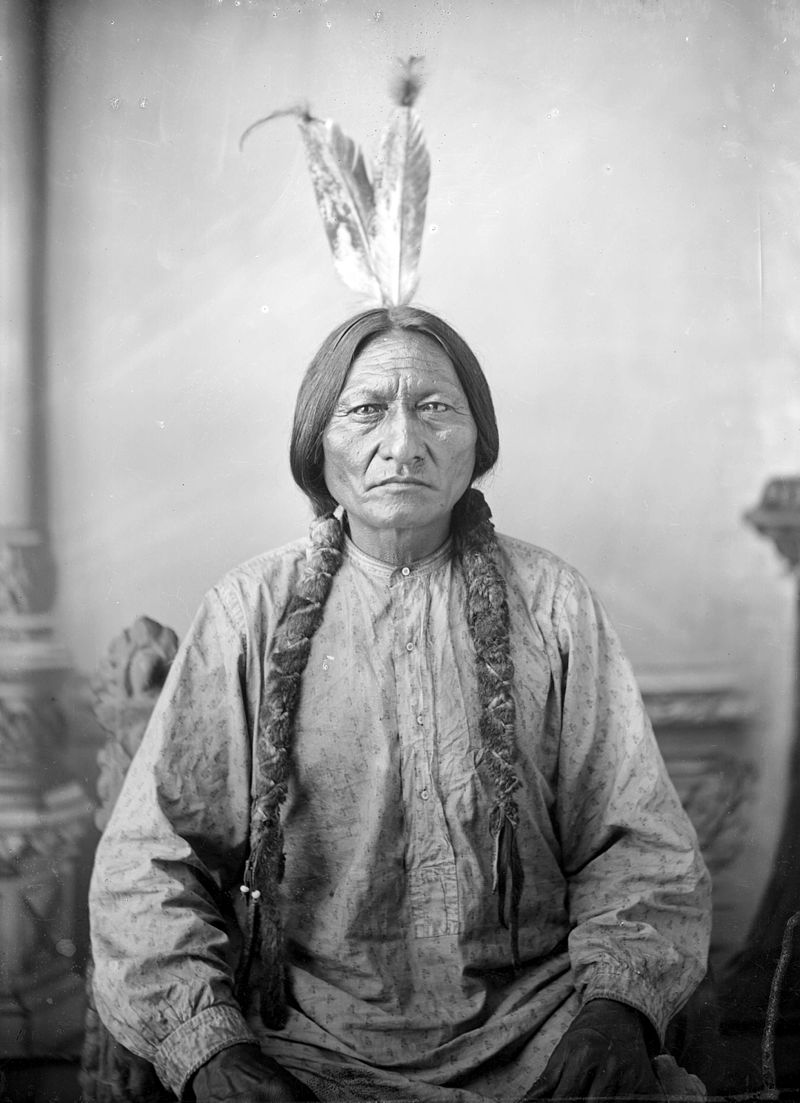
Crazy Horse
Note
On 25 June, about 600 of Custer's troops entered the Little Bighorn Valley. Sitting Bull was informed immediately of the upcoming attack and urgently secured the safety of women and children while Crazy Horse organised his own forces to meet the army. With 3,000 Native Americans against about 200 of Custer's men, the Indians won the battle within an hour, leaving their enemies dead.
Consequences of the Battle of Little Bighorn
Public opinion on how the U.S. government dealt with the Plains Indians changed as a result of the Battle of Little Bighorn
The U.S. government kept the Plains Indians on their respective reservations and they patrolled around them
The Sioux Indians were forced to give up Black Hills in exchange for food and other supplies from the U.S. government
Military control over the Plains Indians' reservations was enforced by the U.S. government
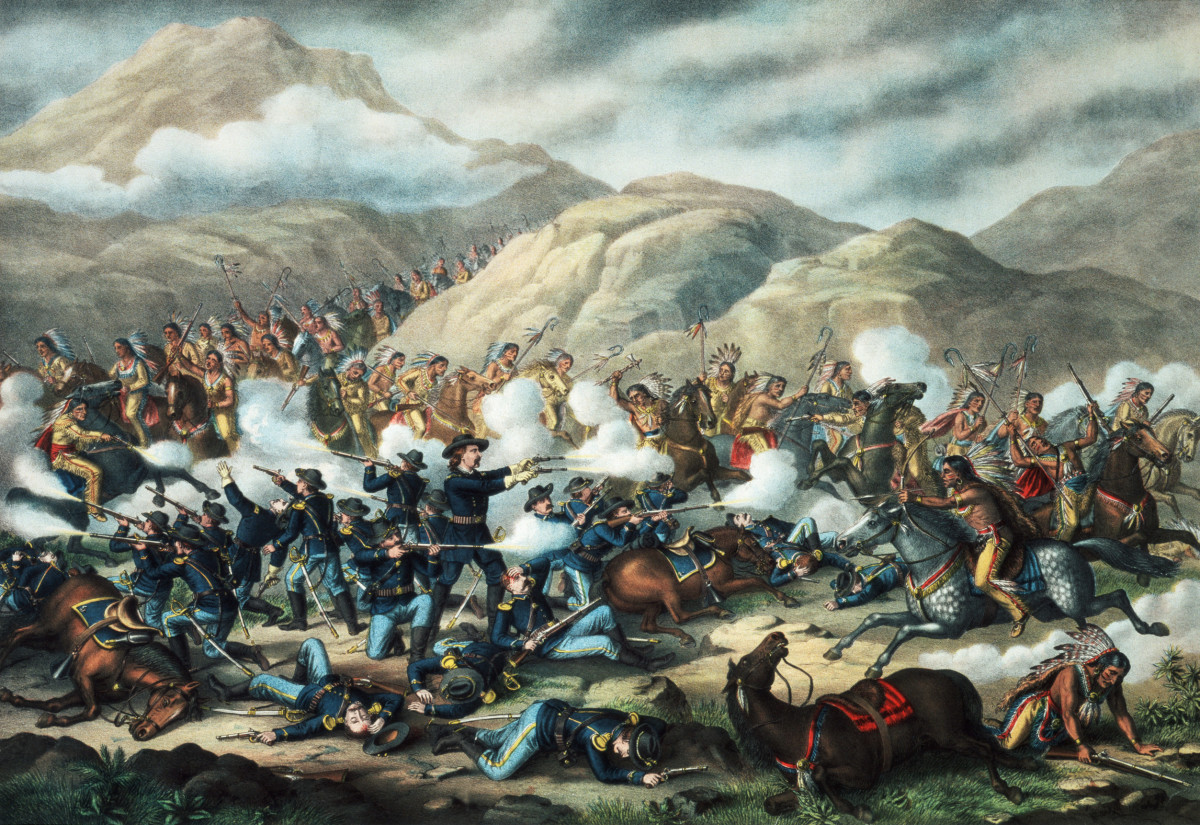
Scene depiction of Custer's Last Stand
Note
The Battle of the Little Bighorn was also known as Custer's Last Stand and became the worst defeat of the U.S. Army in the Indian Wars. As a result, the U.S. government redoubled its efforts to subdue the Indians. Through force, almost all Cheyenne and Sioux Indians were moved and confined to reservations.
Glossary of Terms
Pacific Railroad Act
An act in 1862 that promised a chance of land in the west and a railroad to make settlement possible
Homesteaders
Were immigrants who acquired land under the Homestead Act
Little Crow's war
The huge rebellion of Plains Indians in 1862 Minnesota resulting in the largest mass execution in U.S. history.
Transcontinental Railroad
A railroad created under the Pacific Railroad Act that connected the east to the west of the United States
Homestead Act
The act passed in 1862 that allowed families to claim 162 acres of farm land for five years, after which they could claim it as their own
Reservations
These are areas of land "reserved" by the U,S, government for the Plains Indians.

Task 1: Quoting
Note
Read and analyse the quotation below from the Lakota Sioux chief, Sitting Bull. From the quote, what do you think the Sioux tribes fought for? Provide an answer using historical facts.
"Look at me and look at the earth. It was our father's and should be our children's after us.... If the white men take my country, where can I go? I have nowhere to go. I cannot spare it, and I love it very much. Let us alone."
- Lakota Sioux Chief Sitting Bull

Task 2: Analysing Images
Note
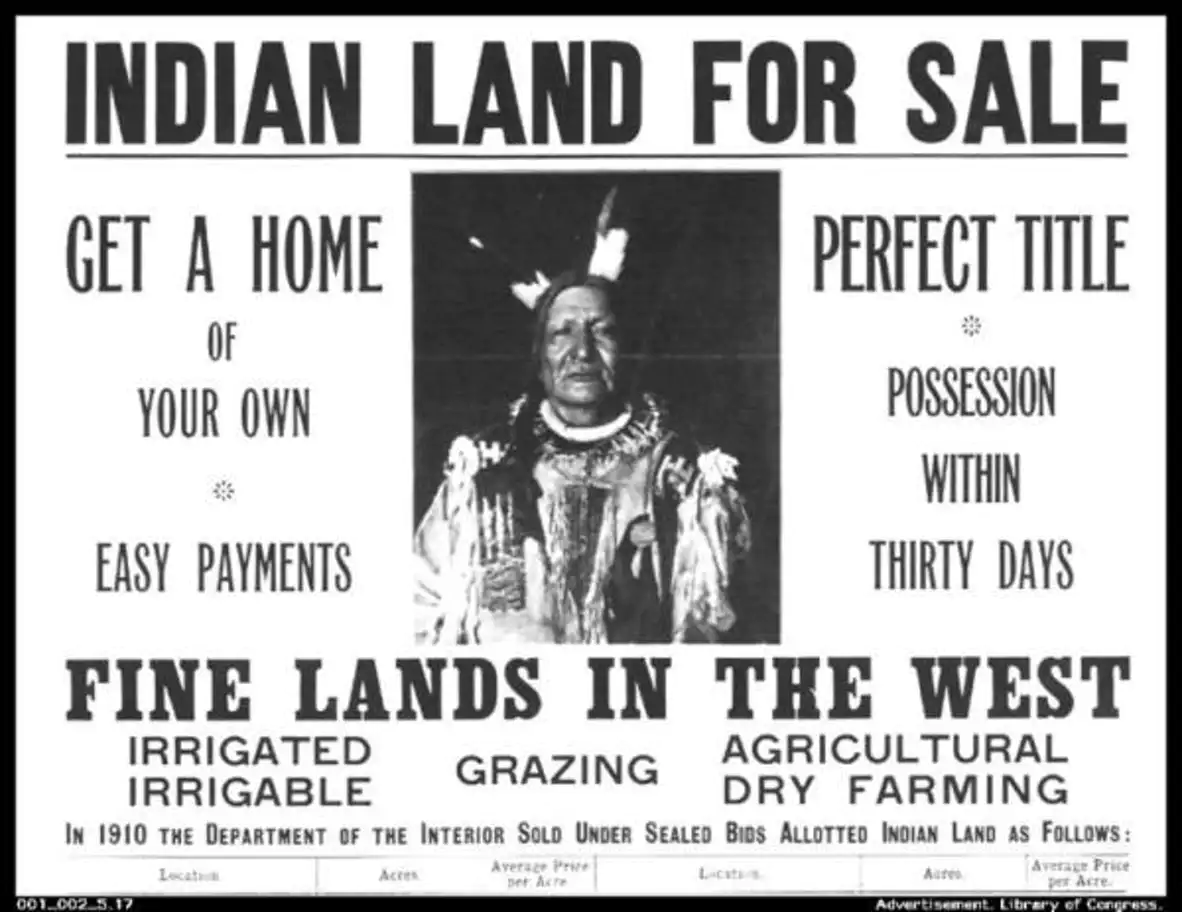
Analyse the image and answer the questions that follow: What is the image all about? What is its purpose? What were its consequences?

Task 3: Sourcing
Note
Analyse the statement by Frederick Jackson Turner and examine how the west changed and how the Native Americans were treated. In addition, establish an argument about the significance of the frontier.
"Behind institutions, behind constitutional forms and modifications, lie the vital forces that call these organs into life and shape them to meet changing conditions. The peculiarity of American institutions is the fact that they have been compelled to adapt themselves to the changes of an expanding people — to the changes involved in crossing a continent, in winning a wilderness, and in developing at each area of this progress out of the primitive economic and political conditions of the frontier into the complexity of city life."
- Frederick Jackson Turner 1893