The journeys of the early migrants to California and Oregon; the Mormon settlement of Utah (OCR GCSE History B (Schools History Project)): Revision Notes
📚Revision Notes
The journeys of the early migrants to California and Oregon; the Mormon settlement of Utah
Beginning in the 1840s, the so-called "Oregon Fever" gripped the United States as the territory boasted a pleasant climate and fertile soil despite difficult travel through the Oregon Trail.
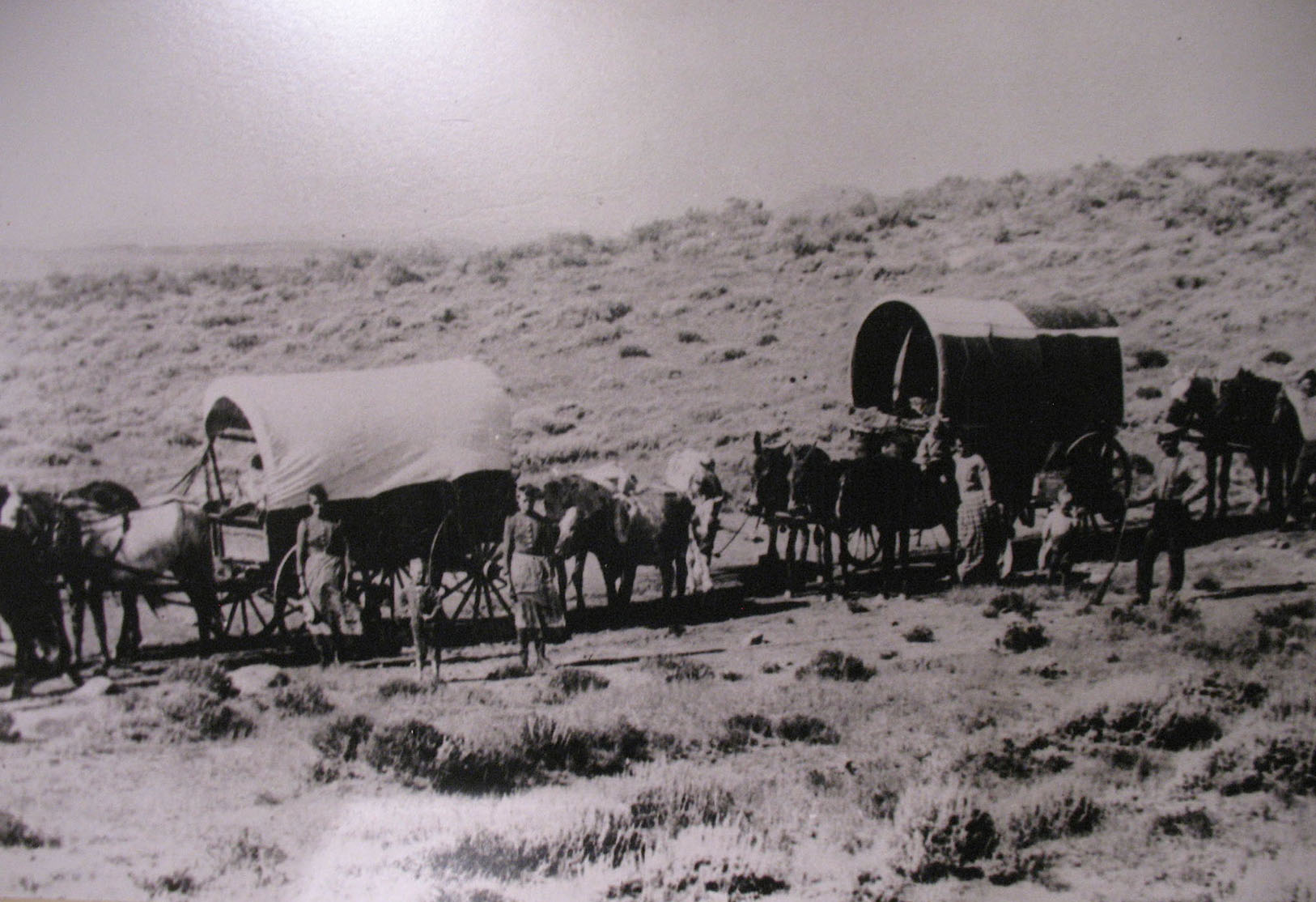
Wagons on the Oregon Trail
The Oregon Trail: Pioneering Westward Expansion and the Challenges of Migration
Note
In 1825, the route through the Rocky Mountains became known as the Oregon Trail. Going to Oregon and California was easier when people used this route through the Rocky Mountains. Missionaries were the first people to use this route using waggons in 1836. In 1840, the Walker family was the first family to make the trip. Three years later, around 900 people used the trail, which was called the Great Emigration.
Note
As part of its expansion efforts, the U.S. government encouraged people to migrate to Oregon to make it an official part of the U.S. territory. More than 5,000 people moved westward and used the Oregon Trail by 1846. In 1841, the U.S. government allotted $30,000 to map the Oregon Trail to serve as a guide for settlers.
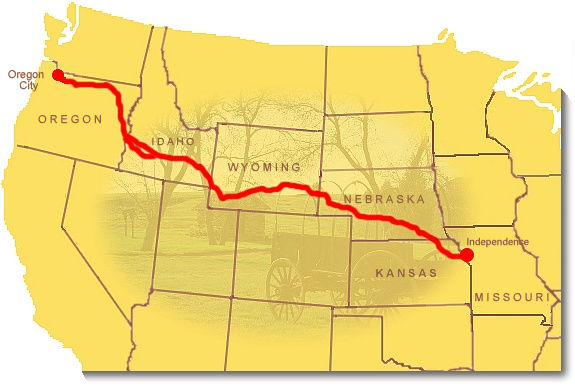
Features:
Note
People could travel to Oregon and California by sea, but it was prohibitively expensive at that time.
Note
The Oregon Trail passed through Indian land on the Great Plains.
Note
Oregon had land of good quality, and was free for farmers to cultivate.
Note
The trail started in Independence, Missouri by travelling along the Missouri River using boats.
Note
It was impossible to get waggons across the Rocky Mountains until the South Pass was discovered.
Note
The distance of the entire Oregon Trail was 3,200 km. This was used by white settlers migrating to the west. Those who headed to California using the trail would travel a total of 3,800 km. Travelling westward using the Oregon Trail was difficult and migrants encountered a number of problems during the travel.
Problems in travelling through the Oregon Trail
- Migrants had a hard time on the trail and tended to get stuck.
- Some migrants suffered from cholera (biggest killer) - rivers served as a toilet area.
- Migrants' supplies would run out during the journey.
- Migrants faced problems of waggon wheels breaking.
- Some people drowned during river crossings.
- Attacks by Plains Indians were feared although the migrants were usually helped by them.
The Donner Party and their route
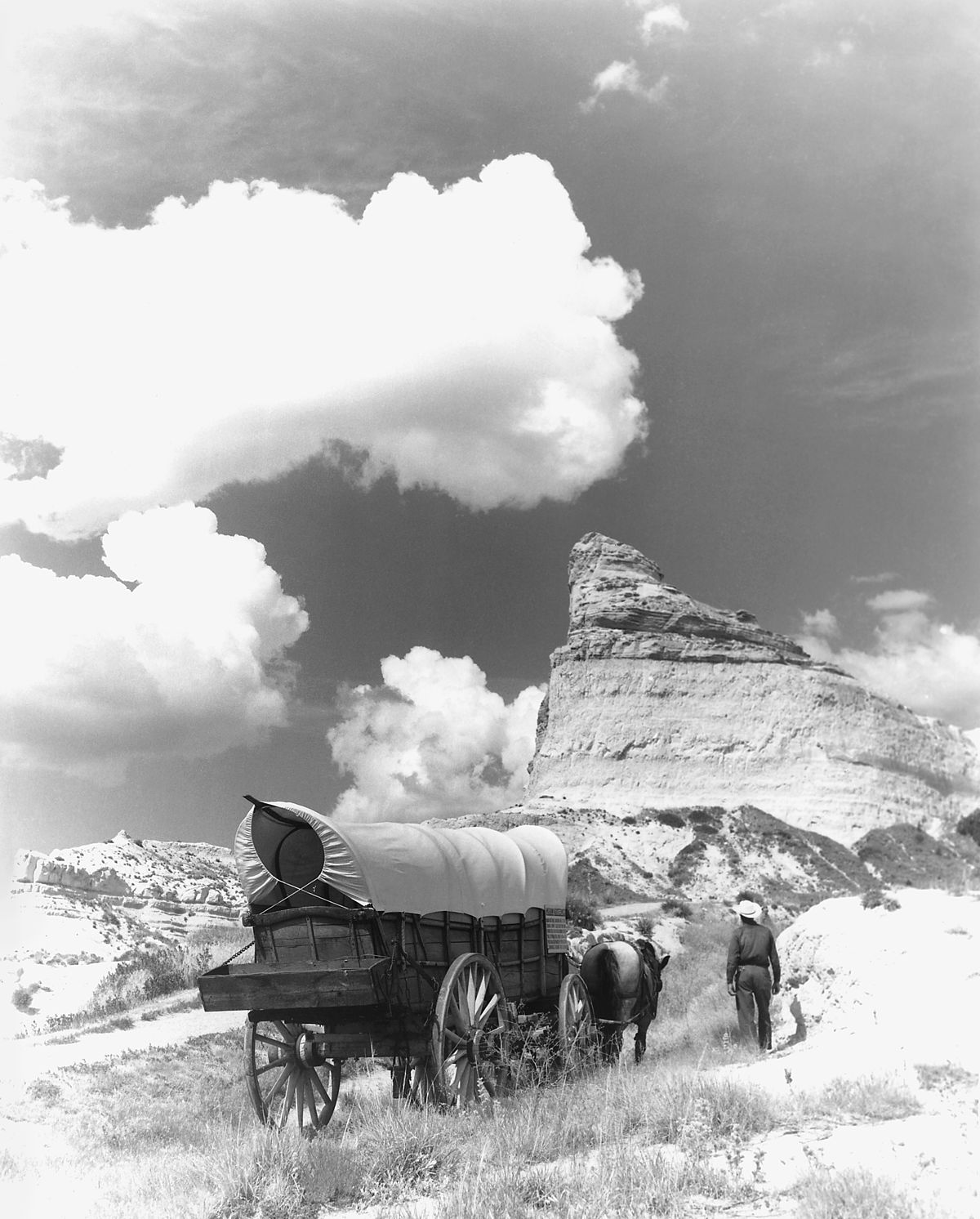
A waggon on the Oregon Trail
In May 1846, a group of 300 migrants riding 60 waggons started travelling west. They were called the Donner Party led by the Donner brothers. During their journey along the Oregon Trail, they encountered a problem as the route was not used by the trail guide who described it as a fine road with a lot of grass and water.
Note
The group decided to split up once they reached Fort Bridger in July 1846. The Donner brothers, along with 80 migrants, tried a new shortcut away from the Oregon Trail.
Note
This route caused some delays, and was hard to follow. The land was rocky with steep slopes, deep canyons and difficult river crossings. There was no food or water for the livestock. People argued about whether to keep going or to turn back.
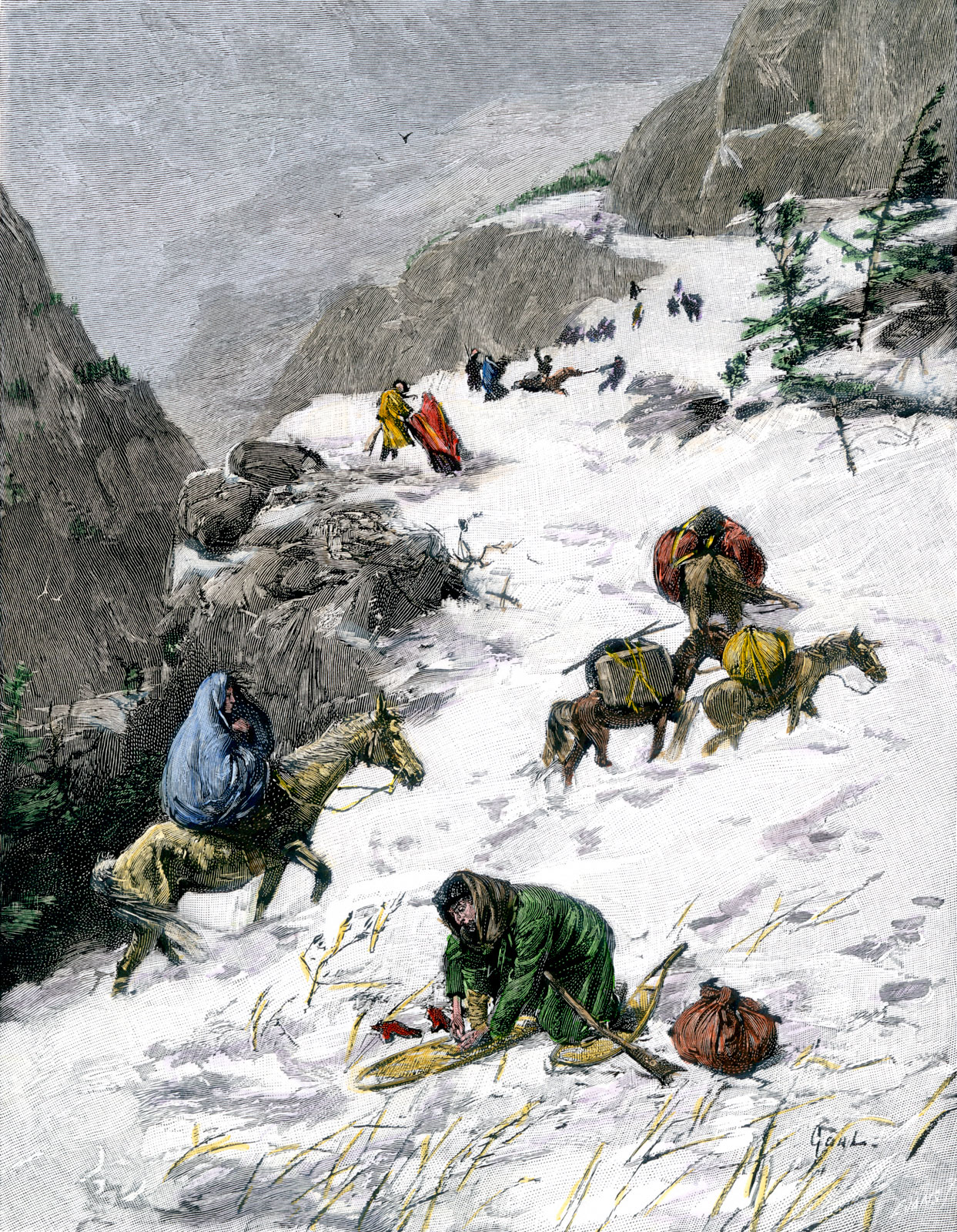
Depiction of members of the Donner Party struggling in the winter
Note
Later, in mid-October 1846, the Donner Party reached the Sierra Nevada Mountains. In November, snowstorms trapped the Donner Party. During this time, animals died and food ran out. A person died from starvation in December. Rescuers were able to reach the group in February 1847 but only 40 of them survived. Most of them resorted to cannibalism to survive.
The Mormon settlement of Utah
Mormonism began around 1830 when Joseph Smith founded the Church of Jesus Christ of Latter-Day Saints, guided by the Book of Mormon, which was believed to be the result of the founders' communion with the divine. The followers, known as Mormons, considered themselves as Christians, and Smith as a living prophet.
Note
Smith published the Book of Mormon at the age of 24, which has attracted thousands of followers since then. After the death of Smith, Brigham Young became the leader of the Mormons in 1845. The Mormons were known for their anti-slavery stance and faced violence and persecution from non-Mormons because of their convictions.
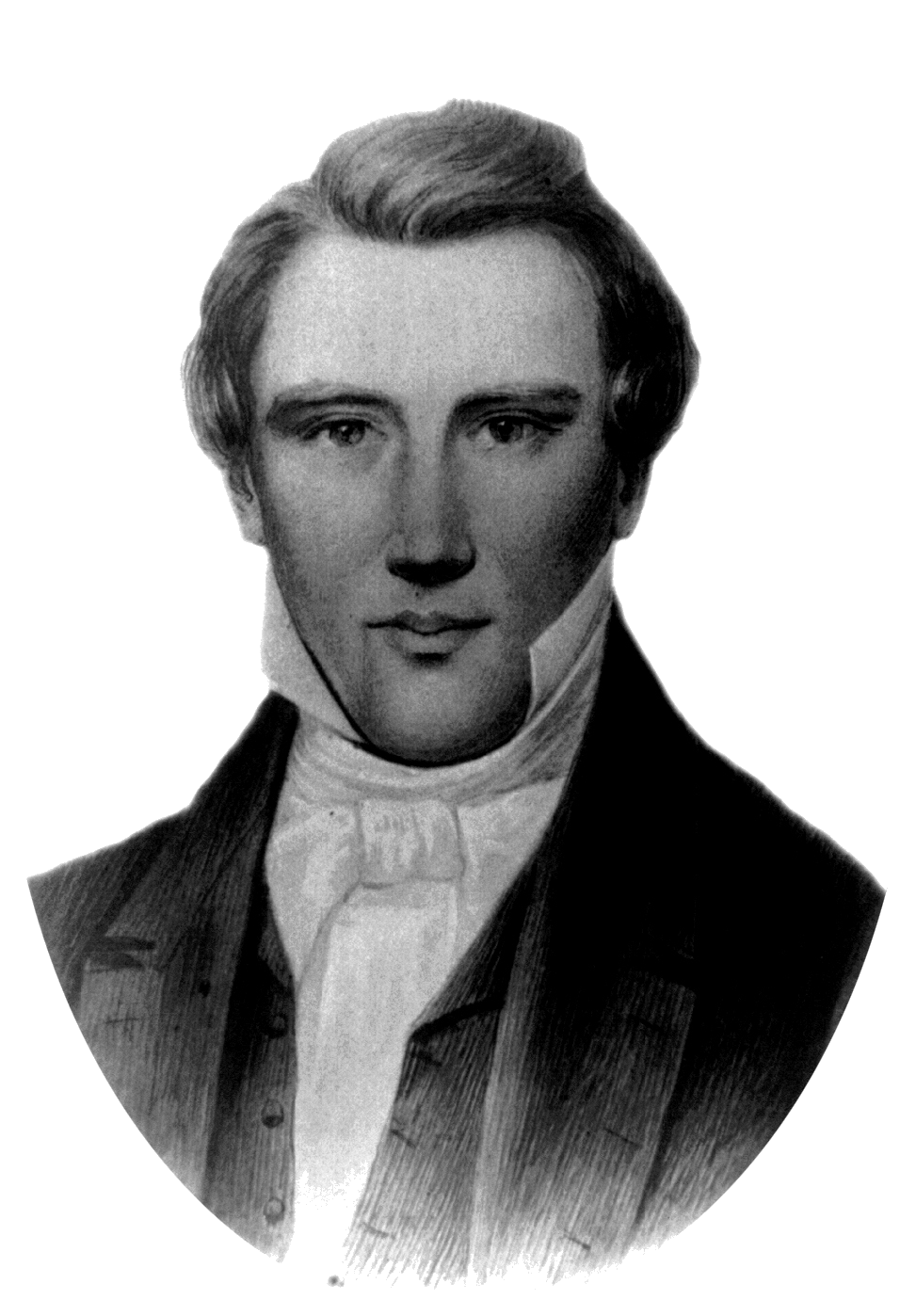
Joseph Smith
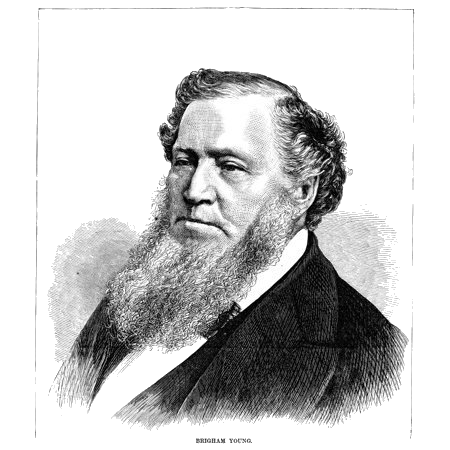
Brigham Young
Note
Before establishing their own independent city-state at Nauvoo in Illinois, Mormons were driven out from Kirtland, Independence, Liberty and Far West. Their numbers grew until Smith's declaration that God told him that polygamy was permissible. With many followers and non-Mormons believing that polygamy was a sin, division and criticism grew around Mormonism.
Note
After the death of Smith, Young decided that the Mormons should move east of the Rocky Mountains to the Salt Lake Valley region (their promised land) for the following reasons: It was isolated; the region had water and fertile soil; it was geographically located in Mexico and not in the U.S.; and it could be a place for Mormons to practise their beliefs freely.
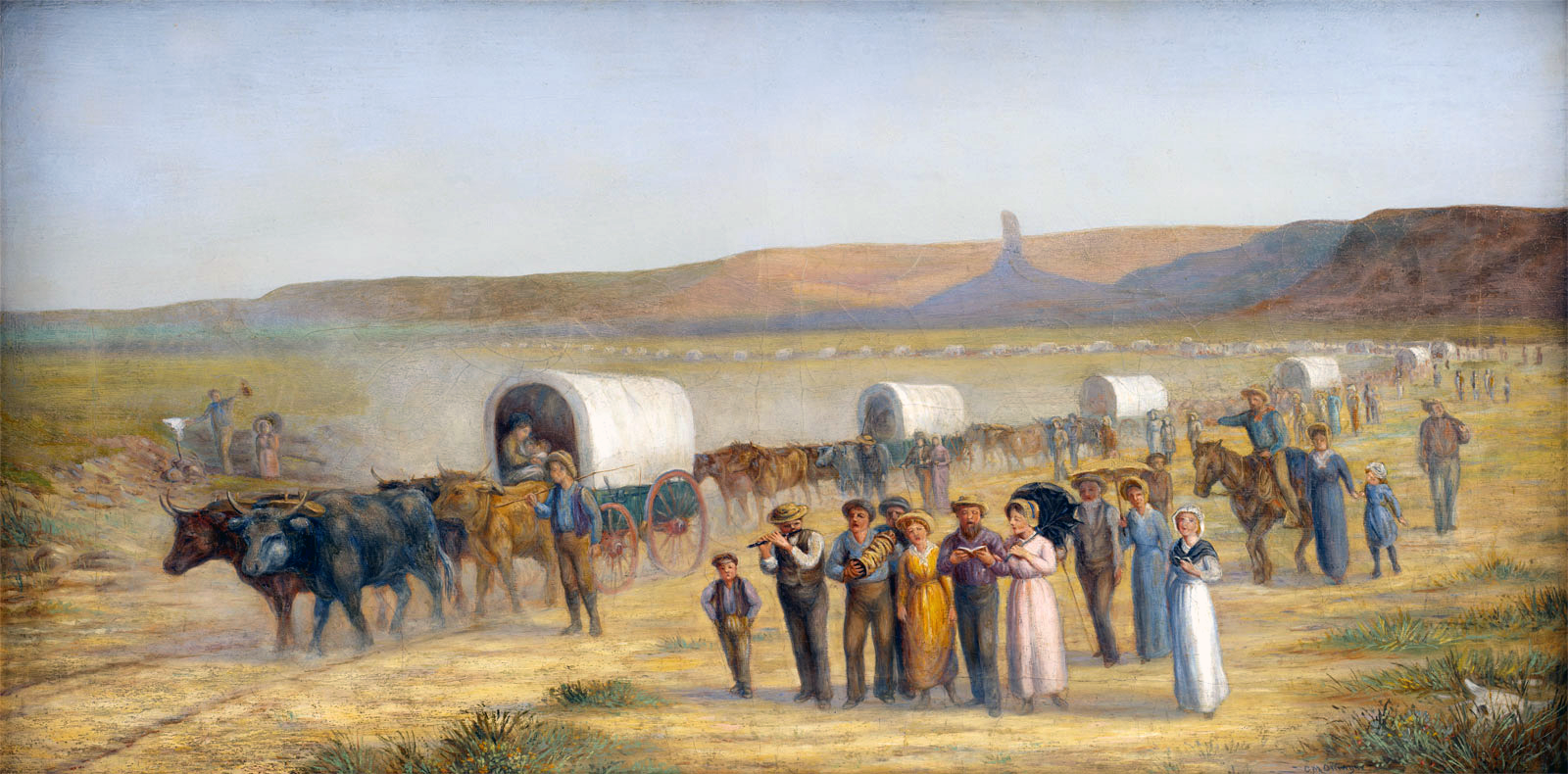
Depiction of Mormon Migration
Note
After the fur trappers, who came to be known as mountain men, thousands of pioneer farmers moved west in search of better farmlands and climate. Others moved west to escape the effects of economic depression in 1937, including rising unemployment and loss of savings.
Note
The trip was hazardous and long and took migrants five months in crowded waggons to complete. Despite the dangers of Native American attacks, pioneers rarely encountered them. With planning, over 16,000 Mormons migrated west with only around 700 deaths mostly during the winter. Young meticulously planned how each batch of train waggons would survive traversing the Great Plains.
Note
After successfully settling Salt Lake, Young was able to establish a stronger position in the church. He ensured that every family was granted enough land in accordance with their needs. In addition, he led cooperative work to build irrigation systems for easy access to water.
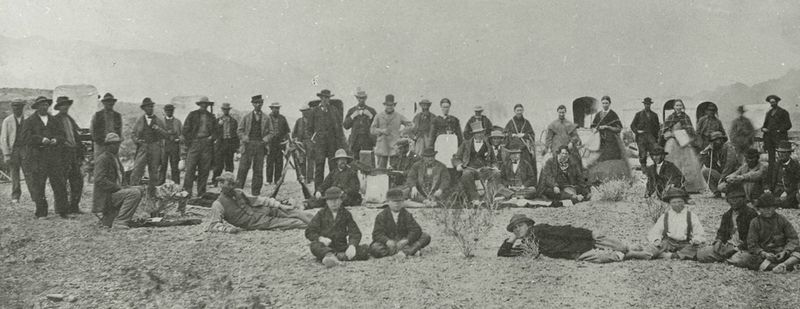
Brigham Young and the Mormons