Approaches to public health in late-medieval towns and monasteries (OCR GCSE History B (Schools History Project)): Revision Notes
📚Revision Notes
Approaches to public health in late-medieval towns and monasteries
Note
During the mediaeval period, public health was not a primary concern of most town councils. It was typical for towns to lack a sewage system and clean supply of water. Because of this, people usually threw their garbage into the streets. Houses were made with clay floors. The space inside was often shared by humans and animals.
After the devastating number of deaths caused by the bubonic plague, the government issued a fine of 20 pounds to anyone who cast garbage, dung, entrails, and other ordure into rivers, waterways and other places.
According to mediaeval medical texts, bathing during summer was not advisable. Instead, few bathed in spring and winter. Public health and hygiene was not a government concern at that time.
Several attempts were made following the Black Death. Gutters were built into town streets. Meanwhile, butchers were required to butcher their meat in segregated areas. Throwing offal and blood into the streets was punishable. Cesspools and wells needed to be further apart from each other.
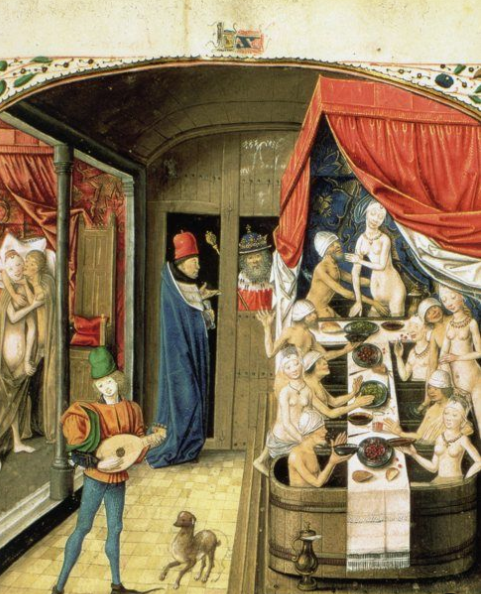
Medieval bathhouse
Role of Monasteries
Note
When the Roman Catholic Church dominated the era, spells replaced prayers to saints. Moreover, people began to practise penance and pilgrimages for repentance for sins. With the emergence of monks as healers, monasteries became the home of the sick and dying.
Monasteries were run by nuns and monks who believed it was their Christian duty to care for the sick. As such, health and religion were closely connected. Wealthy Christians financed monasteries, which had plumbing, toilets and clean water. However, these hospitals refused to admit lepers, lunatics, and people with falling sickness or contagious diseases.
Note
There were also no pregnant women, women with breastfeeding infants or intolerable people, even if they were poor or infirm. If any of these were admitted by mistake, they were to be expelled immediately.
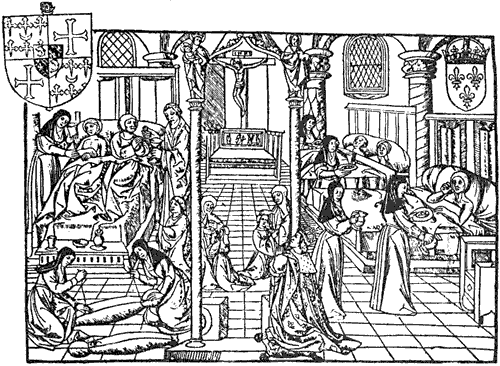
Illustration of a mediaeval hospital
During mediaeval times, there were about 1,200 places considered to be 'hospitals' in England and Wales. Largely they were monasteries and abbeys including infirmaries and religious houses in Tintern, Valle Crucis, Strata Florida, Cardiff and Bangor.
Note
Unlike today, mediaeval hospitals did not only take care of the sick. They accepted the following:

About 47% housed the elderly

12% were for poor pilgrims

31% were leper hospitals

Only 10% were for the sick
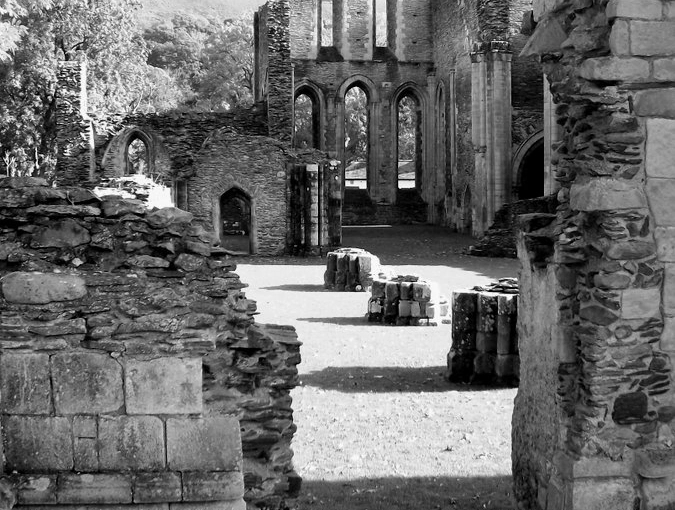
A contemporary image of Valle Crucis Abbey, Llantysilio in Denbighshire, Wales
Compared to Islamic patient care, mediaeval Europe was way behind. Around the 1100s, there were about 60 bimaristans or hospitals in Baghdad, while London had one. Bimaristans served all people from every walks of life, religion and race. They had separate wards for different kinds of illness or disease. Most also had a library, pharmacy and mosque.
Note
In 1113, after the First Crusade, the hospital set up in Jerusalem had room for a thousand beds. This became the model of later hospitals in Europe. This hospital cared for the sick as well as wounded Crusaders.
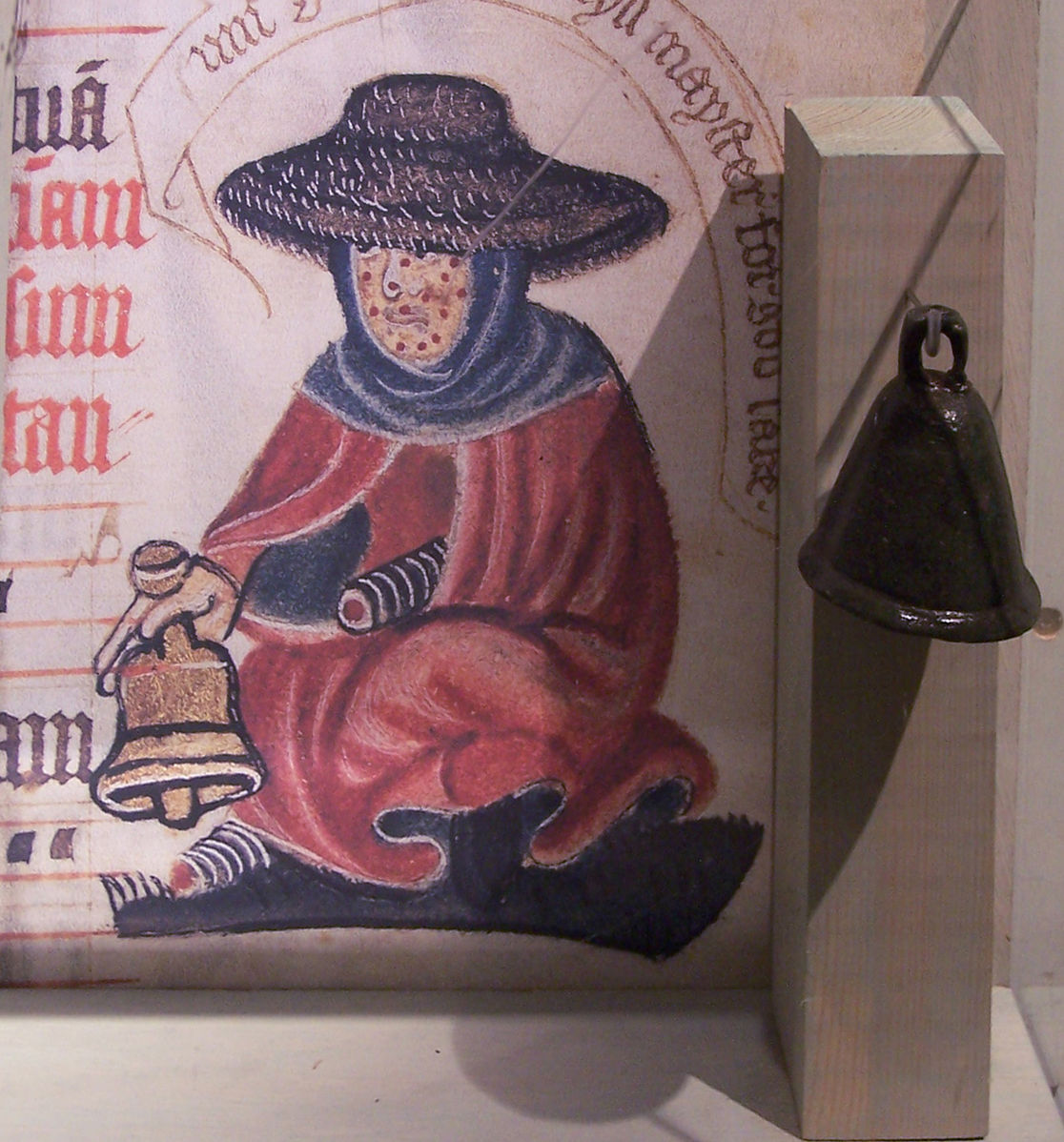
Leprosy during the mediaeval period
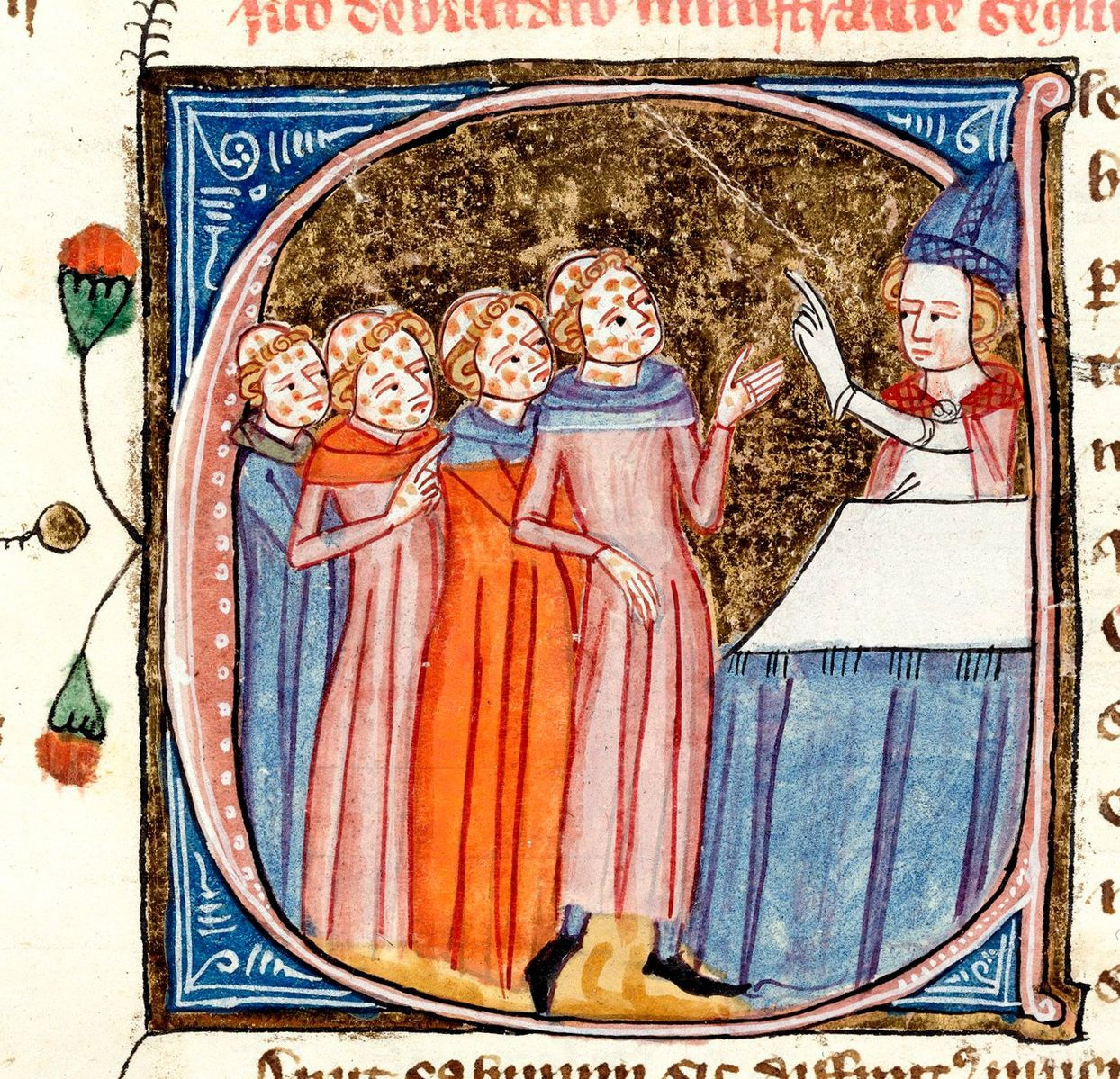
Prior to the devastating Black Death, leprosy cases emerged in Europe. Unlike today, leprosy then was perceived as an infectious disease of morally corrupt people. Lepers were ostracised and segregated from mediaeval towns and were expected to wear clothing that identified them. Others carried a bell which notified their presence.
Between the 11th and 14th centuries, lazar houses or leper houses were established in England by religious orders.
- St. Thomas' Hospital in Canterbury housed sick pilgrims for a night. In case of death, they were buried in the lay cemetery of Canterbury Cathedral.
- In St. John's Hospital in Sandwich, the sick-poor and women in labour were accepted.
- St. Leonard's in York was probably the largest with around 225 beds.
- By the 14th century, most hospitals lacked funding and were pleading poverty. When the Black Death came to Europe, many were completely wiped out.
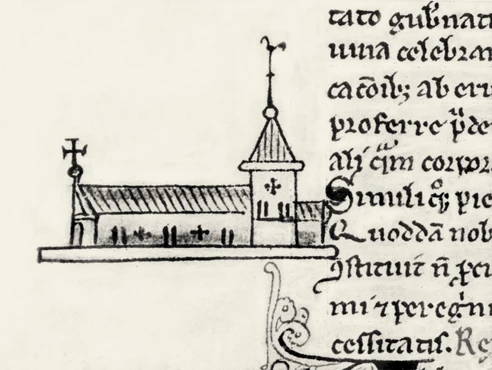
A 15th-century depiction of St. John's Hospital in Oxford
Note
Mediaeval hospitals were run by masters who were appointed by patrons. Founded in 1213 by Henry III, St. John's at Oxford's master was chosen from three Augustinian chaplains. Hospital masters were expected to be experts in spiritual and temporal things. They were forbidden from visiting alehouses and had to be free from vices. Brothers and sisters were responsible for attending to the sick.
Note
Glossary of Terms
BLACK DEATH
A bubonic plague caused by bacterium Yersinia pestis that killed a third of Europe's population in the 14th century.
MONASTERIES
A place or building for monks and nuns who live in seclusion. In the mediaeval period, they served as hospitals.
MIASMA THEORY
The idea that bad air or bad smells were to blame for illness.
MEDIEVAL PERIOD
An era in European history that lasted from the 5th century until the late 15th century. Also known as the Middle Ages.
SEWERS
A passage for drainage of water and waste.
THEORY OF FOUR HUMOURS
An ancient theory which states that the human body is composed of four substances or liquids that should be in perfect balance. If they are not, sickness will occur.
Note
Example Assessment Question: ANALYSIS Analyse the sources and write a substantial essay on how mediaeval people responded to the Black Death.
SOURCE A:
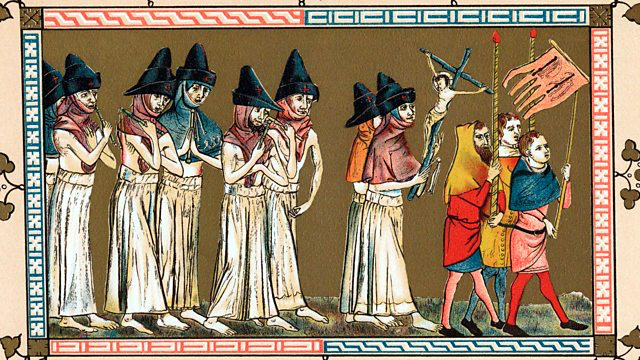
SOURCE B:
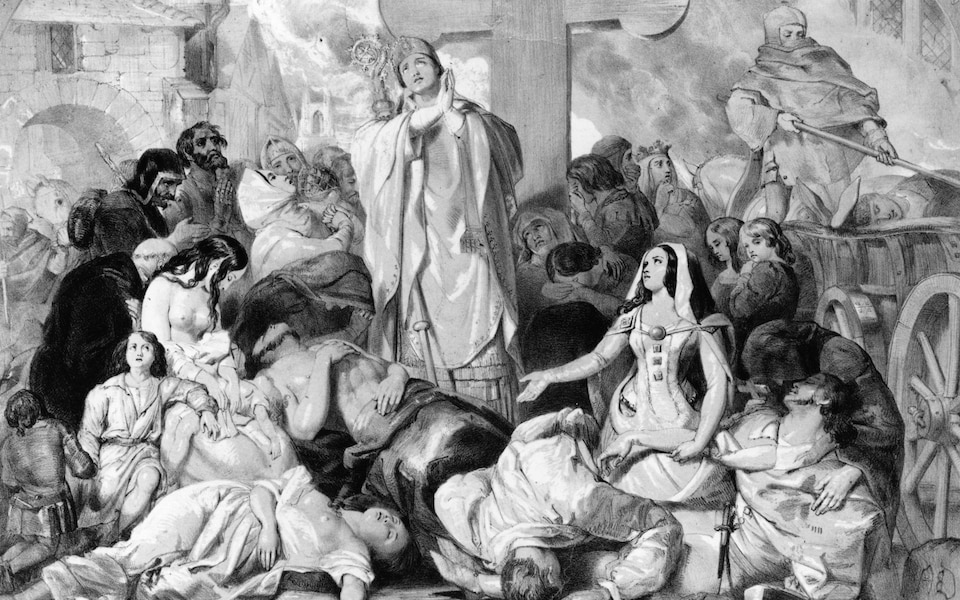
Note
Example Assessment Question: INFERENCE Given your understanding of living conditions and medical knowledge in the mediaeval period, write a substantial inference on the source. Expand your discussion by citing historical facts.
SOURCE C:
"Cause the human faeces and other filth lying in the streets and lanes in the city to be removed with all speed to places far distant, so that no greater cause of mortality may arise from such smells." — Edward III complaint to the Lord Mayor of London, 1349
Note
Example Assessment Question: DISCUSSION Based on your understanding of the historical context and analysis of the source, discuss the role of monasteries during this period. Highlight the influence of religion on conditions like leprosy.
SOURCE D:
'I... do promise before God and St. Bartholomew and all saints, that to the best of my power I will be faithful and useful to the hospital, obedient to my superior and have love to my brethren and sisters. I will be sober and chaste of body; and a moiety of the goods I shall die possessed of shall belong to the house. I will pray for the peace of the church and realm of England, and for the king and queen, and for the prior and convent of St. Martin, and for the burgesses of Dover on sea and land, and especially for all our benefactors, living and dead.' — Mediaeval period oath of lepers before admission