Pre-conquest fortifications and the first Norman castles in England (OCR GCSE History A (Explaining the Modern World)): Revision Notes
📚Revision Notes
Pre-conquest fortifications and the first Norman castles in England
Anglo-Saxon burhs
Note
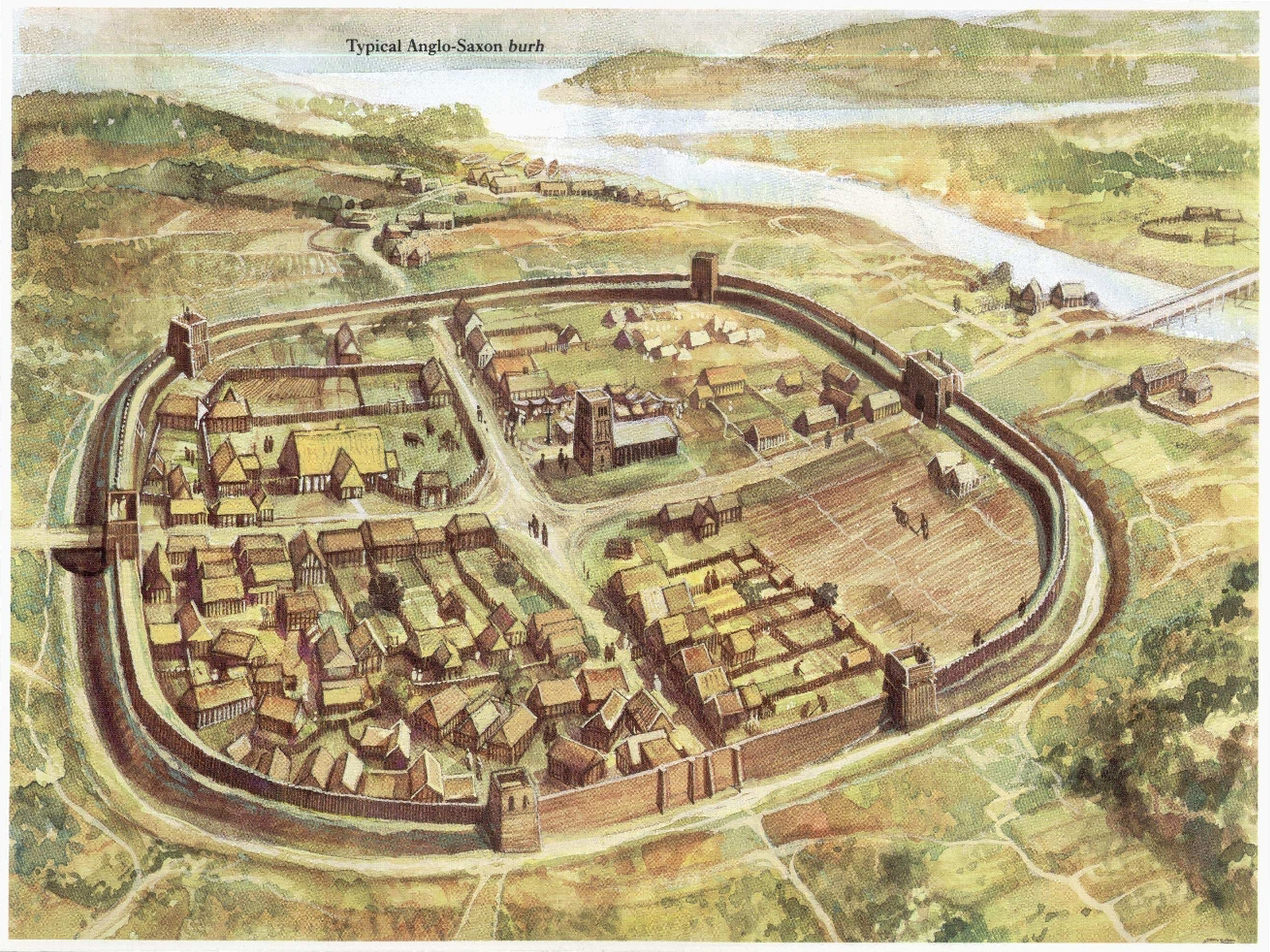
Since Viking raids and invasions had been frequent in Anglo-Saxon England, many towns were fortified to protect the people. These fortified towns, known as burhs, were effective during foreign attacks as entry to the towns were controlled through the limited gates around the towns.
Some Anglo-Saxon burhs were created on existing Roman town sites because Roman towns had earthwork defences and a network of roads in place.
Note
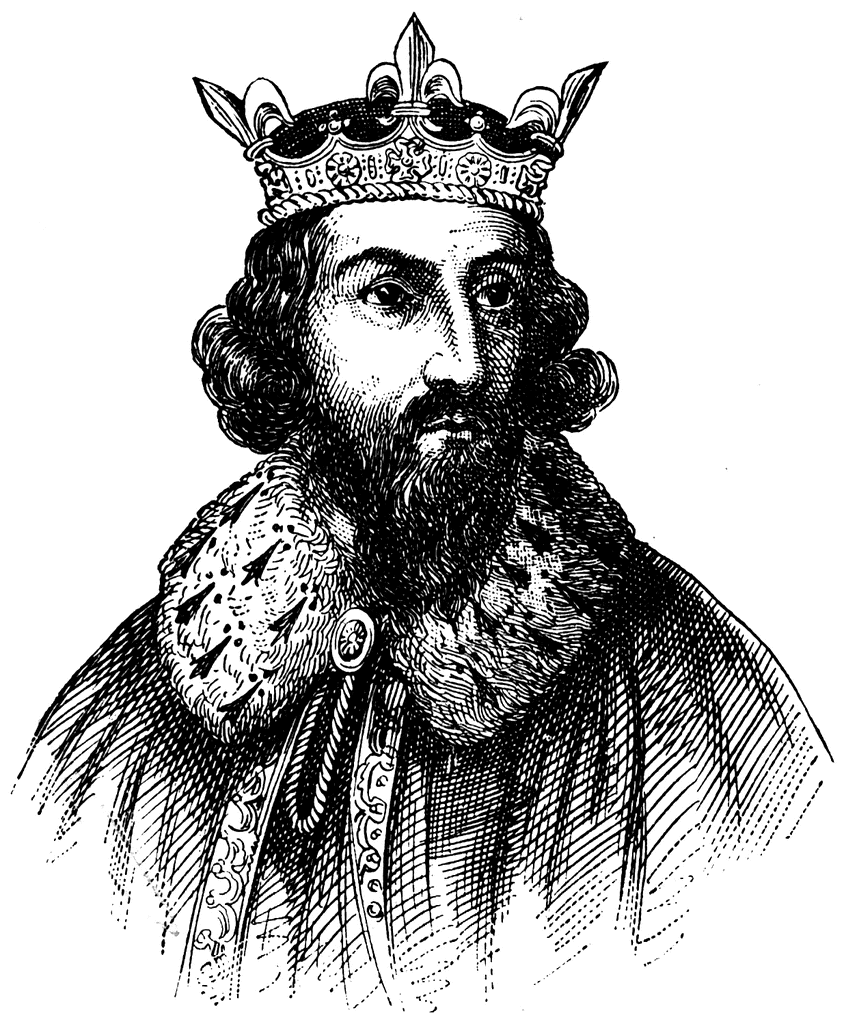
The creation of a defensive system of burhs is associated with the reign of King Alfred the Great and was continued by his children Edward the Elder and Æthelflæd.
What was the purpose of the Anglo-Saxon burh?
Defence
No English farm or village was any more than 32 km away from a burh.
Reinforcement
Forces from other burhs could be easily called up for aid due to the convenient network of roads.
Trade
Burhs became economic centres where trade could be done safely.
Production
Armouries, blacksmiths, royal mints and trading posts were inside the burhs.
Note
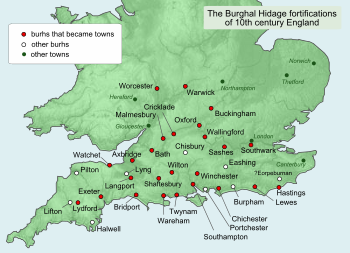
The network of burhs designed by Alfred the Great was detailed in the Burghal Hidage. It was militarily, economically, and socially successful as many burhs survived wars and thrived.
First Norman castles in England
The first Norman castles in England were being built before William the Conqueror won at the Battle of Hastings. Norman influence was evident in England during the reign of Edward the Confessor, since the king spent more than two decades in Normandy whilst in exile.
Clavering Castle
It is located in the small parish village of Clavering, Essex. It dates back to pre-Conquest and was built by Robert FitzWimarc.
Hereford Castle
Ralph of Mantes, who was made Earl of Hereford by his uncle Edward, built this castle.
Ewyas Harold Castle
Osbern Pentecost, a Norman knight who followed Edward to England after Edward's exile, possibly built this castle.
Richard's Castle
Richard Scrob, a Norman knight who was granted land by king Edward, built this castle.
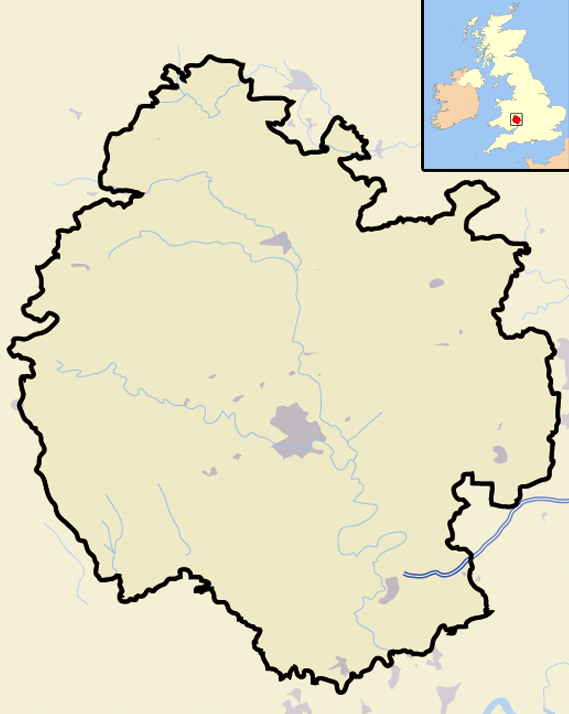
Three of the pre-Conquest castles were built in Herefordshire, where Norman influence was strong during the reign of King Edward.
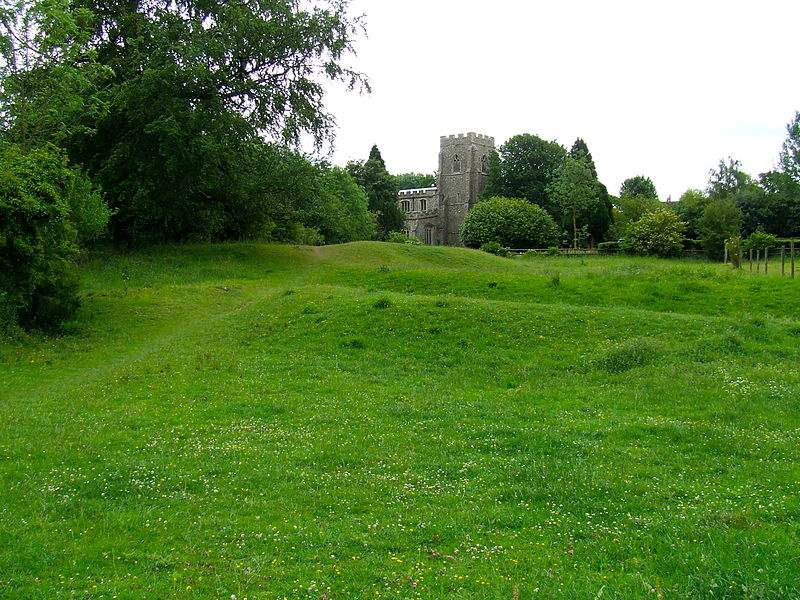
Clavering Castle in Essex
After the Battle of Hastings, the Normans settled in England. Along came the construction of castles throughout the country and the rebuilding of the existing ones. When towns and villages were acquired by William the Conqueror, castle building in these regions was key to further establish the authority of the new king.
Some of the first Norman castles built by William the Conqueror
Pevensey Castle
The king built a motte and bailey castle within the ruins of an old Roman fort at Pevensey on England's southeast coast.
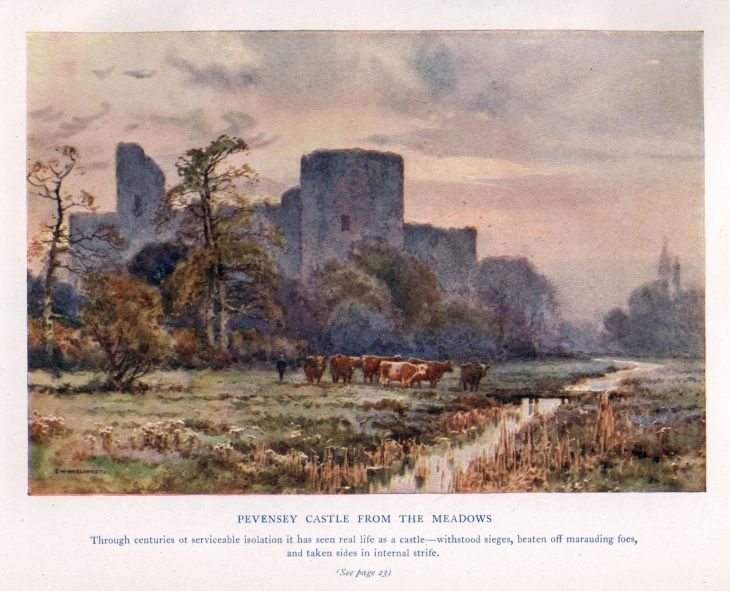
Hastings Castle
Whilst awaiting the arrival in the south of the last Anglo-Saxon king, William built a motte and bailey castle at Hastings.
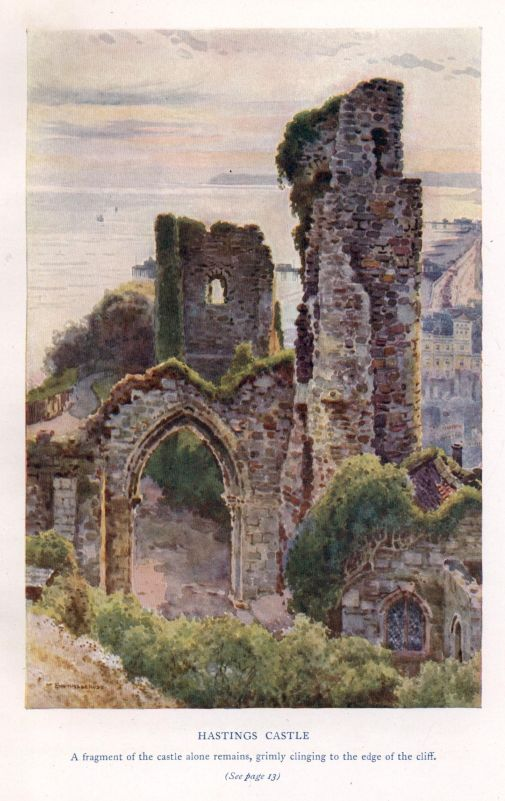

Dover Castle
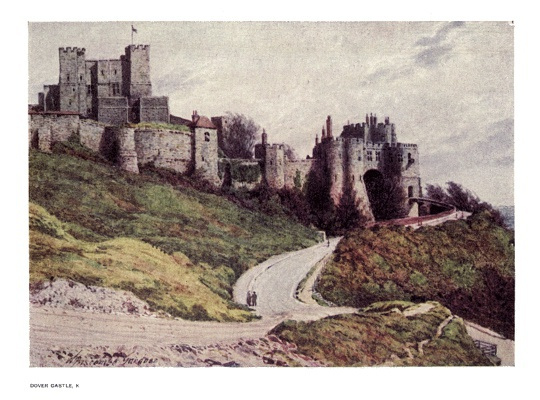
The king secured the region with a motte and bailey castle in Dover at the most strategic point, a few miles across the English Channel from continental Europe.