The rebellion of Hereward in the east and the end of English resistance (OCR GCSE History A (Explaining the Modern World)): Revision Notes
📚Revision Notes
The rebellion of Hereward in the east and the end of English resistance
Hereward the Wake and rebellion of Ely
Note
Also known as Hereward the Outlaw or Hereward the Exile, Hereward the Wake was an Anglo-Saxon nobleman and a local resistance leader. He lived in the Isle of Ely in East Anglia.
Hereward returned from exile around 1069 and was horrified to discover that his father and brother had been murdered and their lands stolen. He then fled into the fens, where he was harboured by Abbot Thurstan of Ely. In 1071, Morcar took refuge with Hereward when Edwin was murdered. Hereward wanted to dethrone WIlliam. The rebels set up a base on the Isle of Ely in the marshes in East Anglia, where they built up supplies to survive a siege. William had to resort to new tactics to fight the rebellion - he deployed the use of siege towers.
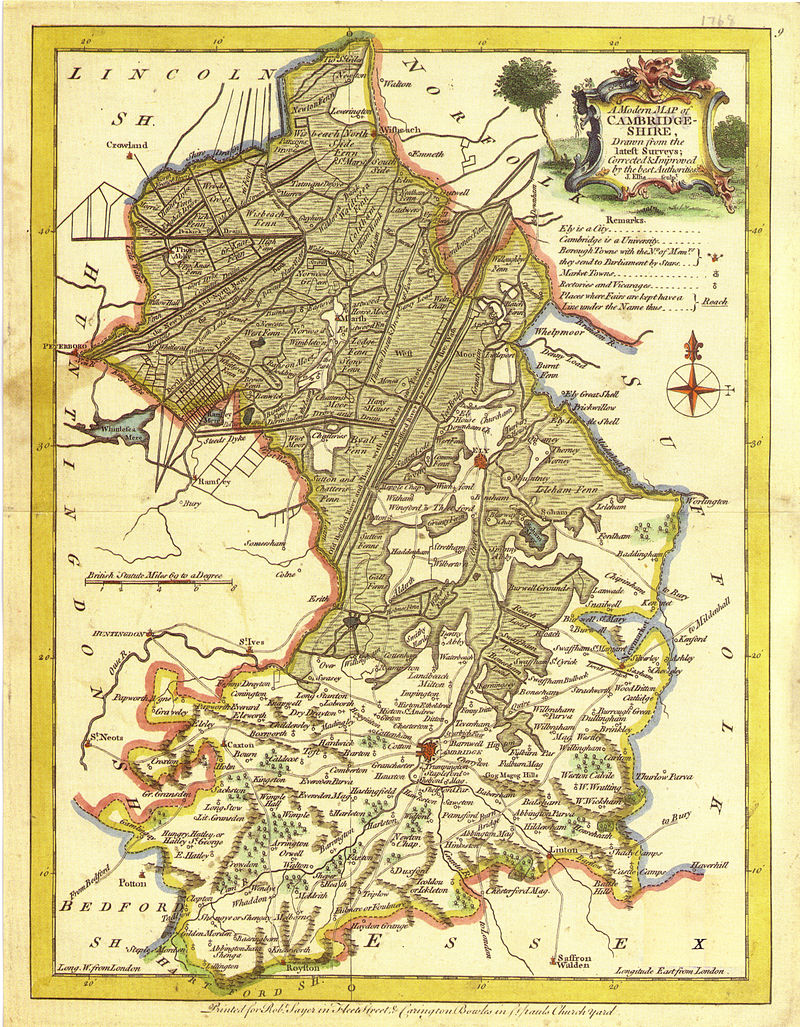
Isle of Ely
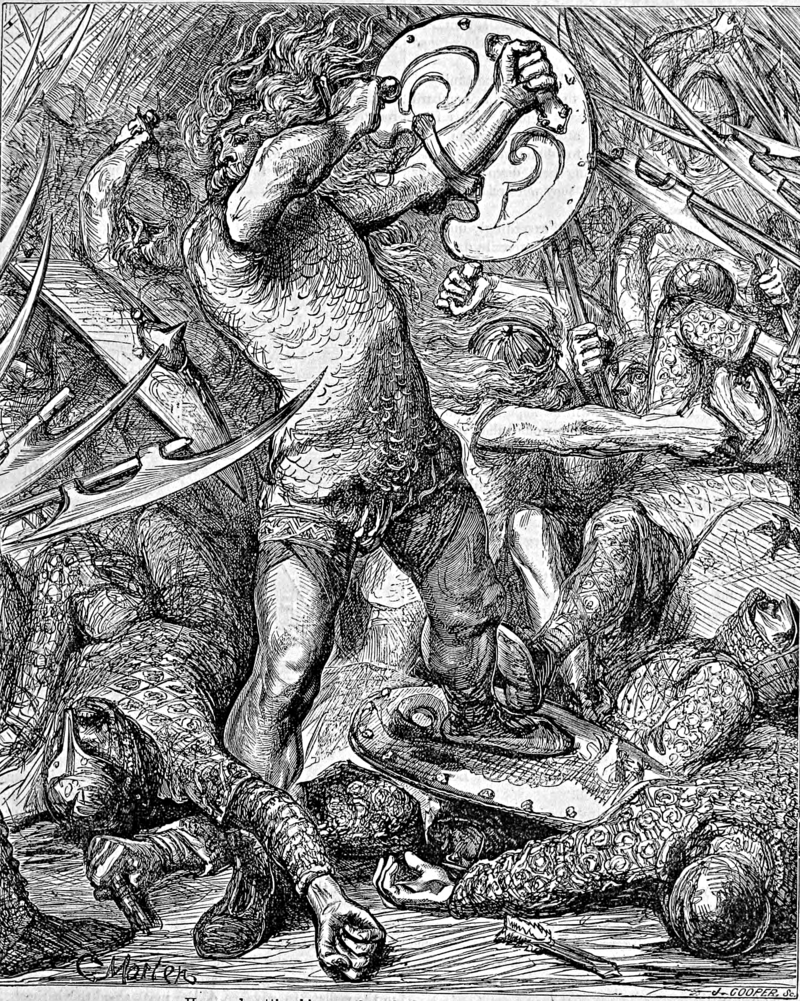
A depiction of Hereward the Wake fighting Normans
William could not allow such a high-profile rebel to remain at large. He therefore despatched an army to besiege the rebels in the marsh. To help their movement, the Normans built a causeway over the marsh, but it collapsed under the weight of the knights. Such was their determination that they resorted to using a sorceress (unsuccessfully). Abbot Thurstan, fearing for his abbey, showed the Normans a secret route across to the Isle in exchange for the safety of his abbey. Morcar was taken, but Hereward escaped with a handful of men.
Note
After some time, Hereward surrendered to William, who pardoned him and let him keep his lands. Peace was restored between the two.
Glossary of terms
Feudal lord
A lord in a feudal system, who bestows fiefs on vassals
Resistance
The refusal to accept or comply with something
Harrying of the North
A series of destructive campaigns by William the Conqueror to subjugate the north of England
Siege tower
A wooden tower used during a siege by the attackers to get men over the walls of the castle
Exam Practise
Task 1
Note
Analyse the source and write a substantial discussion about the aftermath of Hastings. Include in your discussion the challenges that William faced. What does the line 'and always after that it grew much worse' mean?
Count William came from Normandy to Pevensey on Michaelmas Eve, and as soon as they were able to move on they built a castle at Hastings… There King Harold was killed... and always after that it grew much worse.
- Anglo-Saxon Chronicle D, 1066
Task 2
Note
Examine the source carefully and write about the significance of the 'Harrying of the North'. To what extent do you agree with the source?
"Nowhere else had William shown such cruelty. Shamefully he succumbed to this vice, for he made no effort to restrain his fury and punished the innocent with the guilty. In his anger he commanded that all crops and herds, chattels and food of every kind should be brought together and burned to ashes… so that the whole region north of the Humber might be stripped of all means of sustenance… so terrible a famine fell upon the humble and defenceless populace, that more than 100,000… perished of hunger. For this act which condemned the innocent and guilty alike to die by slow starvation I cannot commend him. For when I think of helpless children, young men in the prime of life… I am so moved to pity that I would rather lament the grief and sufferings of the wretched people than make a vain attempt to flatter the perpetrator of such infamy."
- Interpretation of the 'Harrying of the North' by Orderic Vitalis (b.1075), an Anglo-French monk