Industrial Britain 1750 - 1900 (OCR GCSE History A (Explaining the Modern World)): Revision Notes
📚Revision Notes
Public health reform in the nineteenth century
Note
Following a serious outbreak of typhus in 1838, Chadwick convinced the Poor Law Board to investigate. He used doctors to give feedback about whether the conditions of the poor contributed to disease prevalence in their communities.
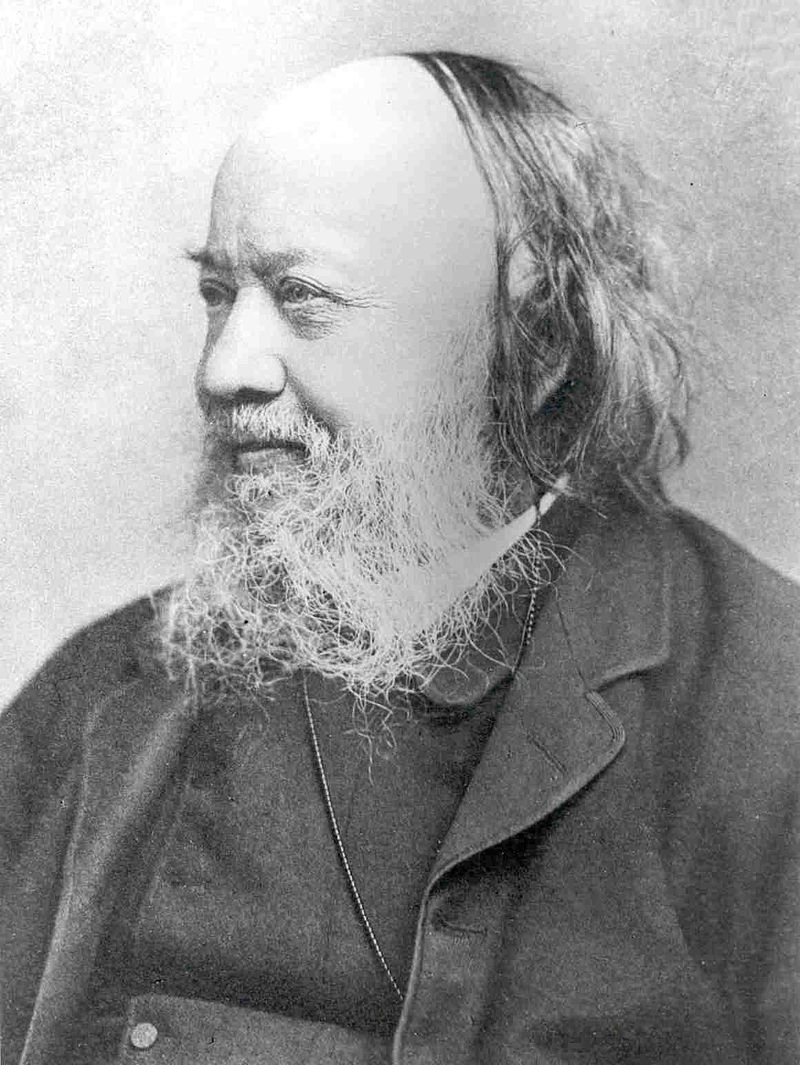
Edwin Chadwick (1800–1890) was an English social reformer who reformed the Poor Laws and brought major changes to urban sanitation and public health through scientific surveys.
In 1842, his report on The Sanitary Condition of the Labouring Population of Great Britain generally suggested that the terrible conditions caused disease and poverty.
Recommendations for industrial towns
- Organise drainage and refuse collection
- Appoint a medical health officer
- Provide a pure water supply
- Suggested ratepayers would save money in the long term by improving the health of the poor
Timeline overview of significant 19th-century public health reforms
1832-33: First cholera epidemic
1848: The first Public Health Act was passed which set up the Board of Health to appoint a Medical Officer of Health in each town.
1848-49: Second cholera epidemic
1853: Smallpox vaccination was made compulsory.
1853-54: Third cholera epidemic
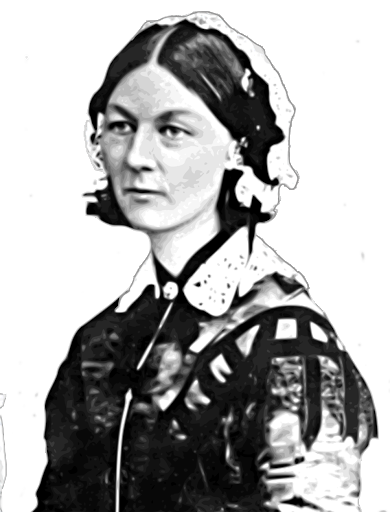
1854: Through Florence Nightingale, improvements in hospital hygiene were introduced.
1865-66: Fourth cholera epidemic.
1875: Another Public Health Act was passed to ensure supply of clean water and the removal of slum areas.
Over the course of the next 30 years, debate raged over the need for government and councils to address public health and Poor Law reforms. Chadwick's recommendations went unaddressed, until the 1848 outbreak of cholera in London.
Note
A two-year-long outbreak of cholera in England and Wales claimed 52,000 lives and forced the government to act.
1848 Public Health Act
Note
The act gave local authorities the power to:
As the act was not compulsory, a Board of Health was set up to encourage councils to participate. Funding was given to councils over and above rate-payers to implement improvements. By 1872, however, only 50 Medical Officers of Health were appointed and the Board of Health was abandoned.
1875 Public Health Act
When the 1875 Public Health Act was introduced, it had been a result of decades of speedy industrialisation and the government's realisation that steps must be taken to provide adequate sanitation and social policies to improve public health.
Note
In 1875, Benjamin Disraeli's Conservative government introduced a law that would consolidate all existing laws into one, the 1875 Public Health Act.
The new powers of local authorities provided by the new act:
- The control over water supplies
- The purchase, repair or creation of sewers
- The regulation of cellars and lodging-houses
- The establishment of by-laws for controlling new streets
Above all, this law established and named local authorities as rural and urban sanitary authorities which would replace local boards of health established in 1848.
These sanitary authorities were given jurisdiction over the newly created urban and rural sanitary districts in order to provide clean water, dispose of all sewage and refuse and ensure that only safe food was sold.
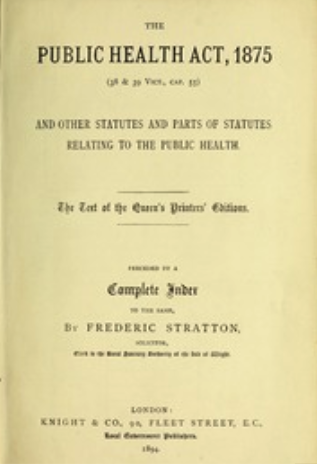
Impact Public Health Act 1875
Note
Prior to the passage of the Public Health Act in 1875, laws related to public health were contained in a series of statutes including the Disease Prevention Acts, Nuisances Removal Acts, Local Government Acts and Sanitary Acts. Some were re-enacted in 1875, but many were repealed.
While earlier acts were still enforced in London until 1891, the Public Health Act of 1875 was not originally extended to the metropolis. The central body created under this act remained until 1919 when the Ministry of Health superseded the Local Government Board.
In response to the act, rural and urban sanitary districts were established in England and Wales in 1875, followed by Ireland in 1878.
Note
Urban sanitary districts were placed in towns with existing local government bodies. Meanwhile, rural sanitary districts were applied to areas of poor law unions.
Sanitary authorities were responsible for matters related to public health, including access to drinking water, maintenance of sewers and streets, and clearing of slum housing.
In 1875, about 225 boroughs and 575 local government districts were designated as urban sanitary districts.
Additional laws passed to improve public health and hygiene in the 19th century
- Artisan Dwelling Act of 1875, which granted councils the power to clear slums and build better homes.
- Sale of Food and Drugs Act of 1876 banned the use of harmful substances, like chalk (in flour) in food.
- In 1876, laws against pollution of rivers were passed**.**
- The Education Act of 1870 made schooling compulsory. Aside from improving literacy, some schools also included health education in their curriculum.
- Laws on improving working conditions were also introduced in the late 19th century.
Note
With improved literacy, many were able to understand government programmes written in pamphlets and newspapers. By the late 19th century, the working class also received higher wages and the right to vote (men).
In addition to economic progress, the Industrial Revolution both devastated and helped public health in the UK.
Booth and poverty
Charles Booth
Charles Booth (1840-1916) was an English social researcher and reformer. He documented working-class life in London at the end of the 19th century. His work influenced the government to intervene in poverty through pensions and free school meals for poor children. Critical of existing data of poverty in London, he investigated poverty in London between 1886 and 1903.
He worked with a team and revealed that the rate of abject poverty in the East End of London was 35% - higher than official figures and double that of his own idea. Booth published his findings in two volumes entitled Life and Labour of the People in London in 1889 and 1891. He argued that reform could prevent a socialist revolution in Britain.
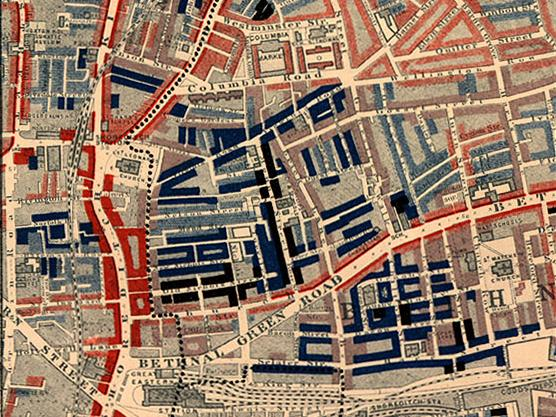
Part of Charles Booth's poverty map published in Life and Labour of the People in London in 1889 and 1891
Note
Glossary of Terms:
INDUSTRIAL REVOLUTION
A period in modern history which changed the process of manufacturing. It began in Britain in the mid-18th century.
CHOLERA
A deadly disease in industrialised Britain caused and spread by dirty and contaminated water.
EPIDEMIC
A sudden increase of infected people, more than the expected number within a population.
URBANISATION
The process of making an area more urban. In Britain, industrialisation saw mass migration from farmland to towns and cities for work.
PUBLIC HEALTH ACT OF 1848
The act that gave local authorities power to provide a clean water supply and appoint Medical Officers of Health and Sanitary Inspectors.
PUBLIC HEALTH ACT OF 1875
A public health act introduced by Benjamin Disraeli which consolidated all existing laws into one.
Note
Example Assessment Question: ANALYSIS SOURCE A:
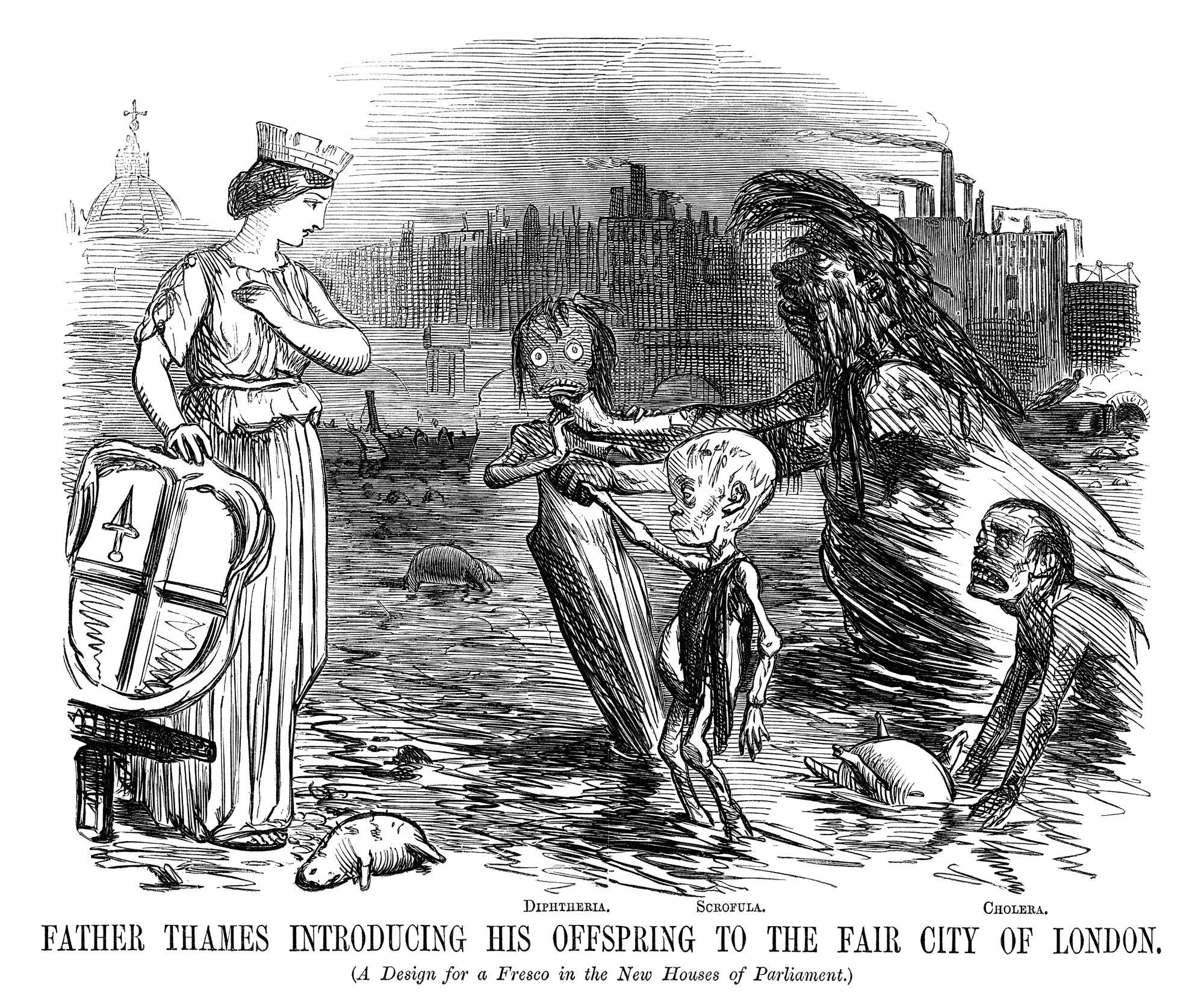
Analyse the source "Father Thames introducing his offspring to the fair city of London", then answer the questions which follow:
- Describe public health during the Industrial Revolution.
- How did this event change health and medicine in Britain?
- How significant was the role of the River Thames in the spread of diseases during this period?
Note
Example Assessment 2: INFERENCE Examine the source and answer the questions provided. 4. What are the symptoms presented? 5. What treatments for cholera are suggested? 6. Are there any suggestions you may consider poor for treating the disease?
SOURCE B:
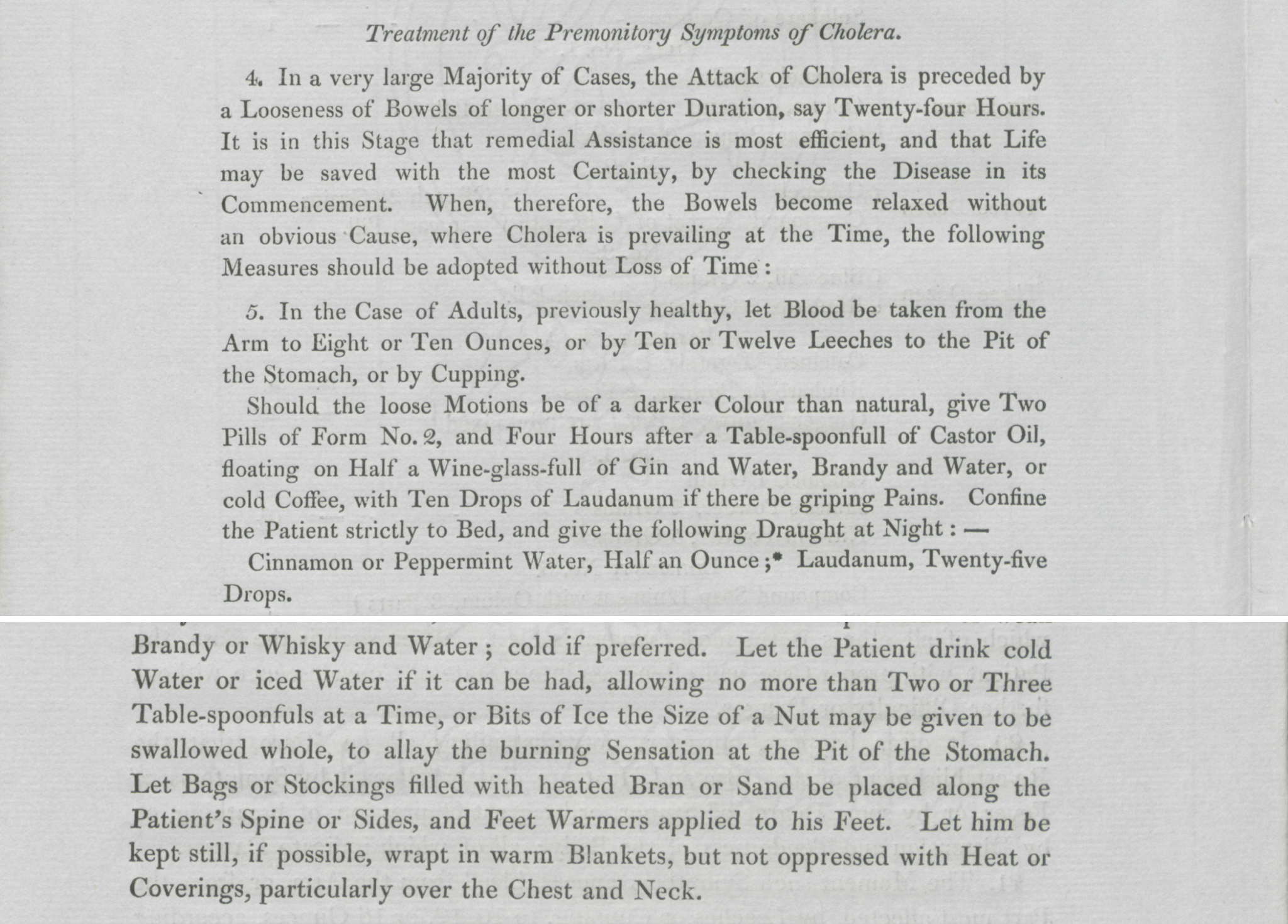
Extracts from a printed copy of 'Precautionary Hints on Cholera' issued by the Central Board of Health, 9 May 1832
Note
Example Assessment Question: DISCUSSION SOURCE C:
"Tyndall's-buildings is a court containing 22 houses… the basement story of nearly all… was filled with foetid refuse, of which it had been the receptacle for years. In some… it seemed scarcely possible that human beings could live: the floors were in holes, the stairs broken down, and the plastering had fallen… In one, the roof had fallen in: it was driven in by a tipsy woman one night, who sought to escape over the tiles from her husband." — George Godwin, editor of The Builder, describing a Holborn court, c. 1859
SOURCE D:
The river contains a large proportion of human excrement, stable and pigsty manure, congealed blood, offal and entrails from the slaughterhouses, the rotten carcasses of animals, cats and dogs... old cast-off articles of clothing and bedding, and boots, bottles, ashes, street refuse and a host of other articles... In dry weather the stench becomes unbearable. — Description of the River Rhondda, written by Dr Bruce Low, Medical Officer of Health, in his annual report in 1893
Given the sources and your understanding of the historical context, substantially discuss the status of public health and hygiene in the 19th century. What were the health dangers given these conditions?