Comparing Energy Resources (OCR GCSE Physics A, Combined (Gateway Science Suite)): Revision Notes
📚Revision Notes
1.2.2 Comparing Energy Resources
Energy from Fossil Fuels
Uses of Energy
- Transport
- Generating electricity
- Heating
Fossil Fuels
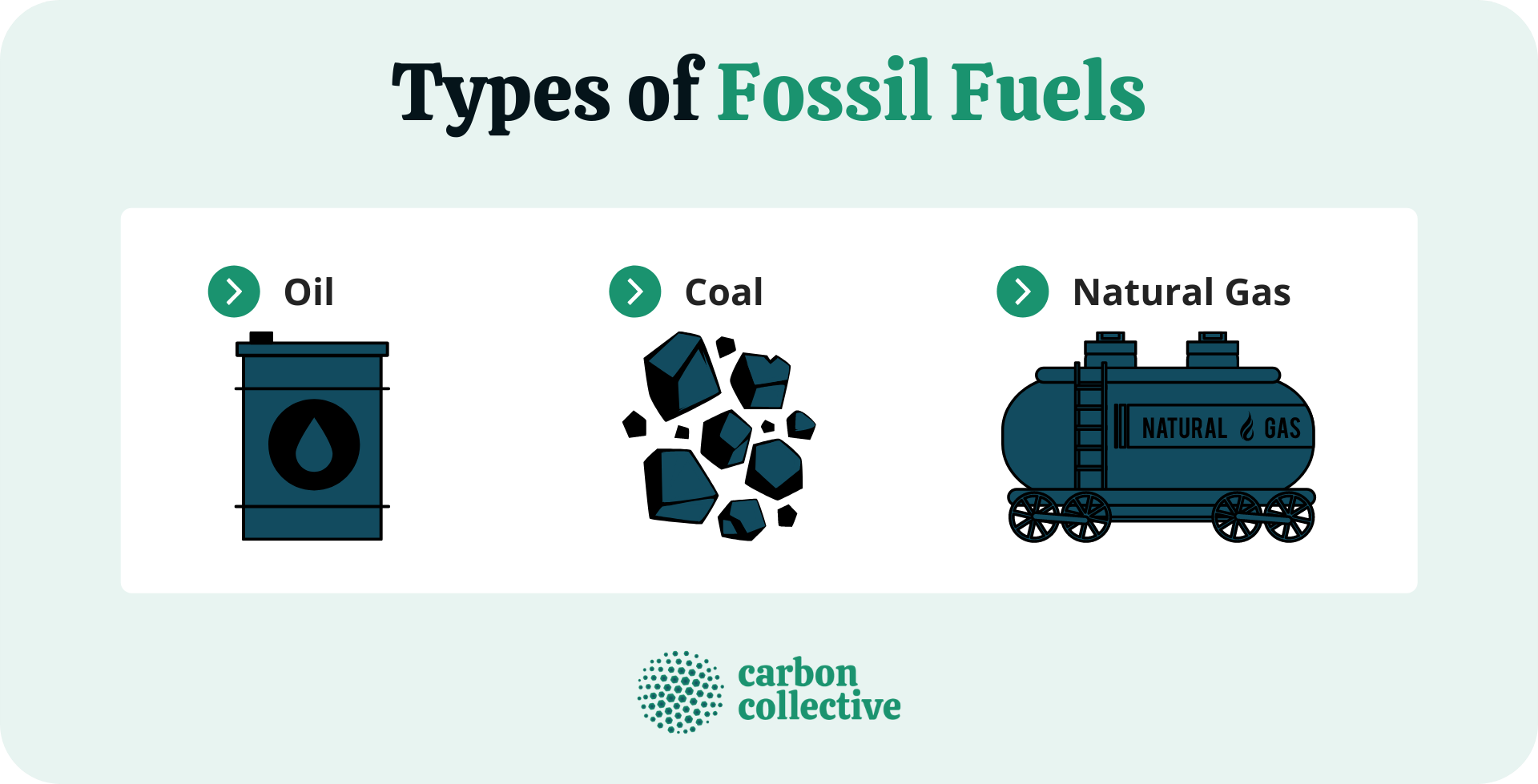
- Types:
- Coal
- Oil
- Natural gas
Advantages
- Reliable: Always provide energy when needed.
- High Energy Release: Useful in aeroplanes.
- Abundant and Relatively Cheap: Widely available and cost-effective.
- Versatile: Many uses.
Disadvantages
- Carbon Dioxide Emission: Burning fossil fuels releases a huge amount of CO2, contributing to climate change.
- Non-renewable: Not replenished as they are used.
- Other Pollutants:
- Diesel: Releases carbon particles and nitrogen oxides.
- Coal: Releases sulphur dioxide, leading to acid rain.
Nuclear Power
Characteristics
- Non-renewable: Uses elements like uranium and plutonium.
Advantages
- No Carbon Dioxide Emission: Once running, does not contribute to climate change.
- Extremely Reliable: Consistent energy supply.
Disadvantages
- Dangerous Radioactive Materials: Risk of nuclear accidents.
- Decommissioning: Time-consuming and expensive.
- Radioactive Waste: Generates waste that must be stored for thousands of years before it is safe.