Programming Control Systems (Junior Cert Applied Technology): Revision Notes
📚Revision Notes
Programming in Control Systems
In this part, we learn how programming is used in control systems. We focus on how software sets control rules and does key tasks for systems to run well. This means also knowing how hardware and software work together.
Definitions
- Control Systems: Systems designed to control and manage the behaviour of other devices using loops.
- Feedback Loop: A process that changes what it does based on output to meet goals, like keeping temperature steady.
- Degrees of Freedom: Different movements or factors that show how a system or robot can move.
Overview of Programming in Control Systems
- Programming Role: Programming works like a brain, changing control rules into steps that guide what the system does. Systems use these instructions to do tasks automatically, making them precise and efficient.
- Example Task: In a factory, programming sets the order of tasks for design, planning, and actions to make production better.
Key Components of Control Systems Requiring Programming
- Main Components:
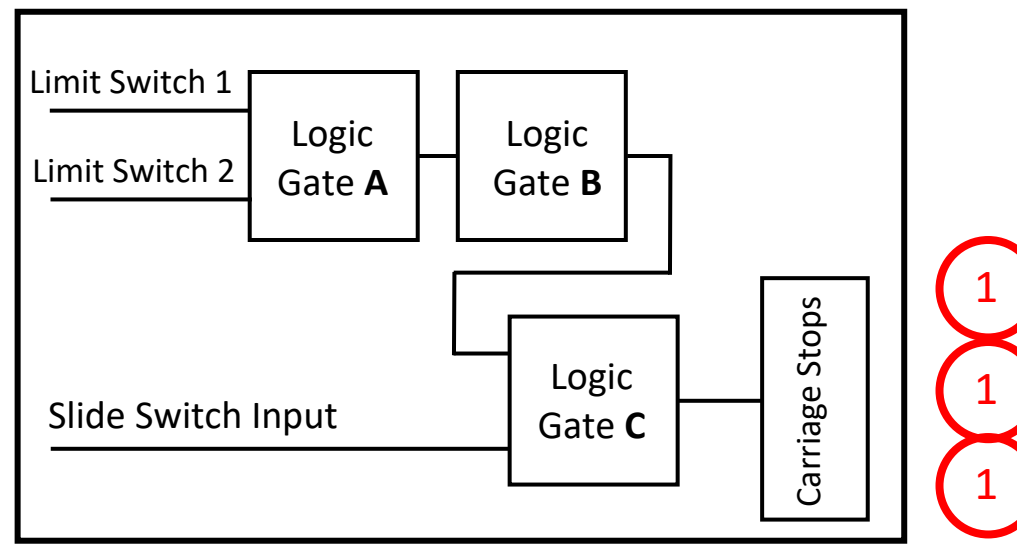
- CPUs: Central Processing Units run instructions from the programmed rules.
- Input Devices: Sensors notice changes around them and send data to the system.
- Output Devices: Actuators perform tasks based on given instructions.
Note
These parts work together, with programming key to match inputs with the right outputs.
Relationship Between Hardware and Software in Control Systems
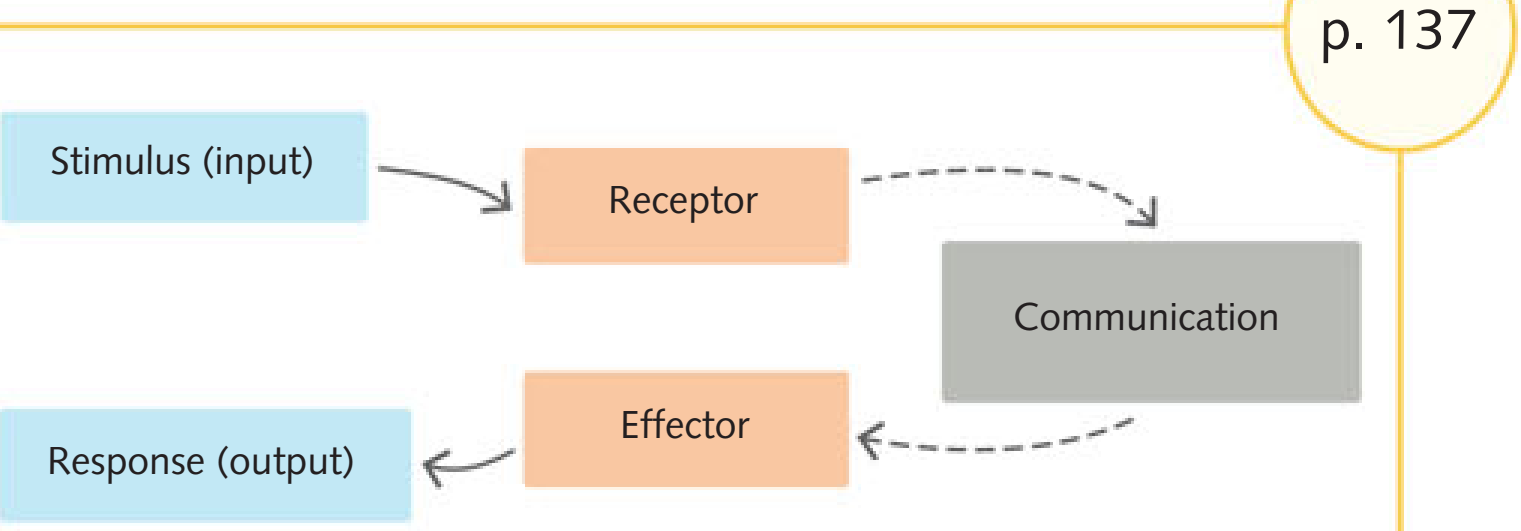
- Sensors: They notice changes in the environment and collect data.
- Actuators: They do things based on software commands.
- Software Role: Processes sensor data and sends commands to actuators.
Important
Interaction flow: Sensor inputs -> Processed by software -> Commands to actuator
Basic Programming Concepts in Control Systems
- Feedback Loops: Important for keeping things stable by using output to adjust input. For example, in robotics, feedback loops adjust a robotic arm's position in real-time for precise tasks.
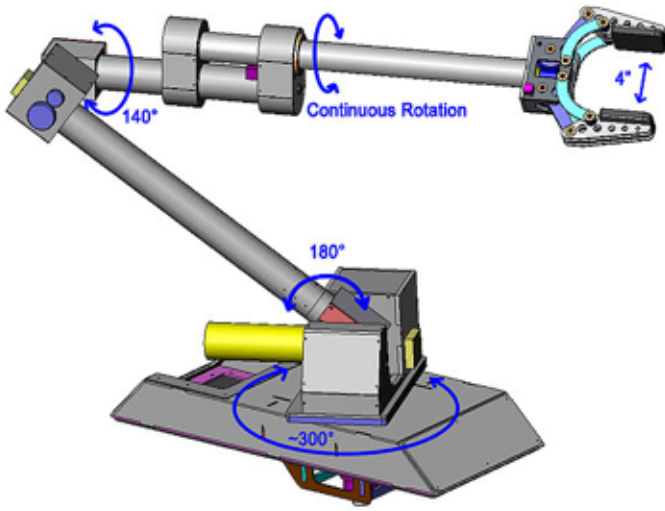
- Degrees of Freedom: Refers to a system's or robot's movement range. For example, robotic arms with six degrees can move in 3D to perform complex tasks.
Role of Software Updates and Maintenance
- Keeping systems updated with regular maintenance is key for functionality and longer life.
- Examples of Benefits:
- Efficiency Improvements: Updates make processes faster.
- New Features: Add abilities and improve performance.
- Security Patches: Fix weaknesses to stop breaches.
Note
Summary
- Programming sets control rules needed for control systems.
- Key parts like CPUs and devices depend on programming.
- Good systems integrate hardware and software well.
- Feedback loops and degrees of freedom are key programming ideas.
- Software updates and maintenance are key for system durability.