Flexibility (Junior Cert Applied Technology): Revision Notes
📚Revision Notes
Flexibility
Flexibility is an important property of materials that allows them to bend without breaking. It's crucial in fields like building, textiles, and everyday products, providing durability and versatility.
Definitions
- Flexibility: The ability of a material to bend without breaking. It is often measured by the angle or radius of bending.
- Stiffness: Opposite to flexibility, it measures a material's resistance to bending, often in Pascals, using the modulus of elasticity.
- Plasticity: The ability of a material to be reshaped permanently by stress, playing a key role in its flexibility.
- Malleability: The ability to be shaped by pressure, enhancing a material's overall flexibility.
Note
Flexibility is vital in material science, impacting how materials are applied in various industries.
Introduction to Flexibility
- Flexibility plays a key role in manufacturing and everyday products, influencing durability and design.
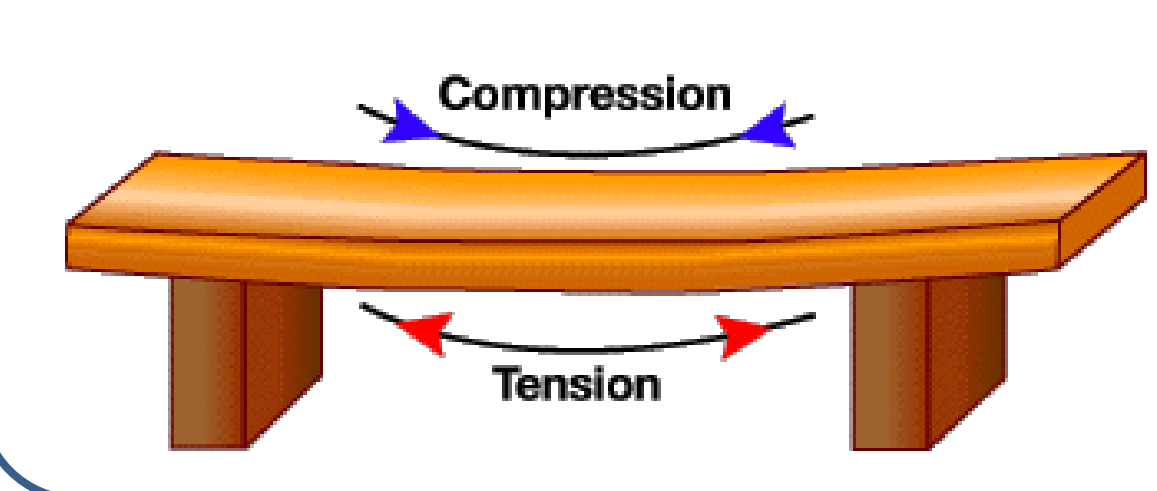
Flexibility vs Stiffness
- Flexibility allows easy bending, while stiffness resists it.
- Examples:
- Rubber bands (flexible) vs steel rods (stiff).
- Elastic components in everyday items vs rigid materials in buildings.
- Comparison charts often present properties like ductility for flexibility and rigidity for stiffness.

Role of Plasticity and Malleability
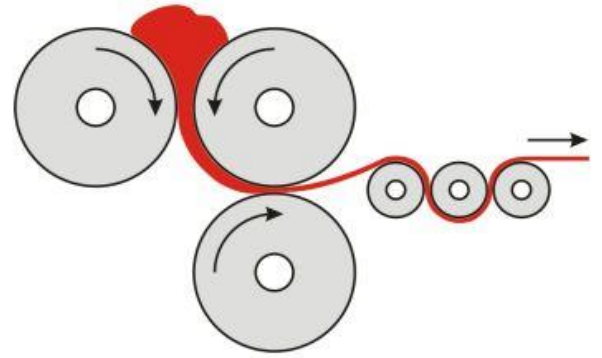
- These properties allow materials to be formed into complex shapes, critical in processes like stamping and forging.
- Bending and pressing rely heavily on these material properties.
Examples of Flexible Materials
- Elastomers:
- Very stretchable.
- Commonly used in sports gear and clothing for comfort and flexibility.
- Plastics:
- Easily shaped.
- Widely used in packaging and electronics due to their versatility.
- Thin Metals:
- Serve as flexible structural parts.
- Vital in construction and automotive for creating strong yet flexible components.
Note
Summary
- Flexibility is a key factor in material science, affecting the creation and use of products.
- Understanding flexibility alongside concepts like plasticity and malleability is crucial.
- Materials like elastomers and plastics demonstrate the broad importance of flexibility in industries.