Hardness (Junior Cert Applied Technology): Revision Notes
📚Revision Notes
Hardness
Hardness is a property that describes how well a material can resist indentation and scratching.
Definitions
- Hardness: The capacity of a material to resist being indented or scratched.
Methods of Hardness Testing
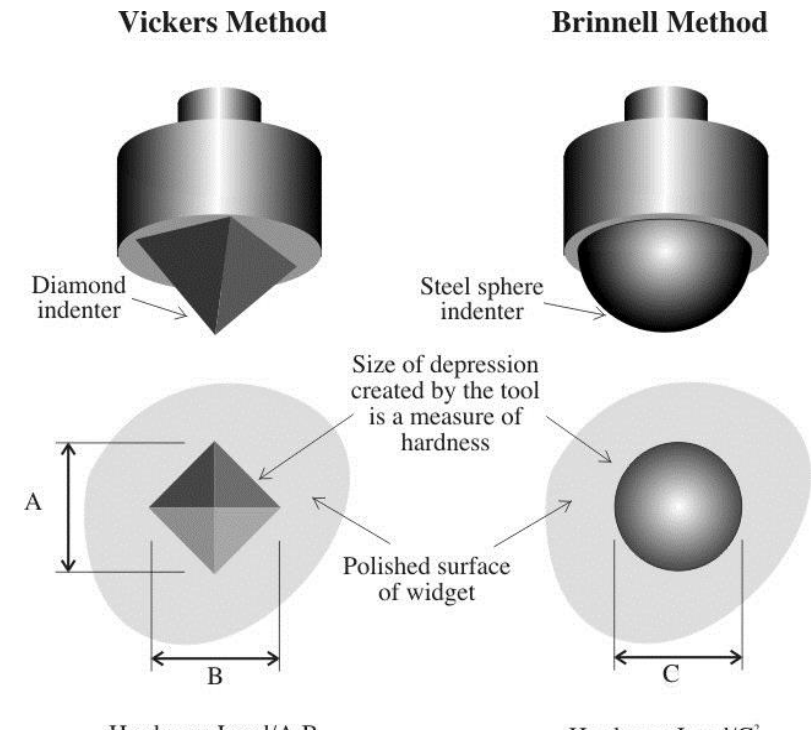
- Indentation Tests: These tests check hardness by using force to make a dent or indentation on the material's surface. Common tests include Brinell, Vickers, and Rockwell hardness tests.
- Measurements during indentation tests:
- The depth and diameter of the indentation are measured against the applied force to determine hardness.
Note
Studies show the Vickers and Brinell tests are essential for understanding material hardness.
Hardness vs. Brittleness
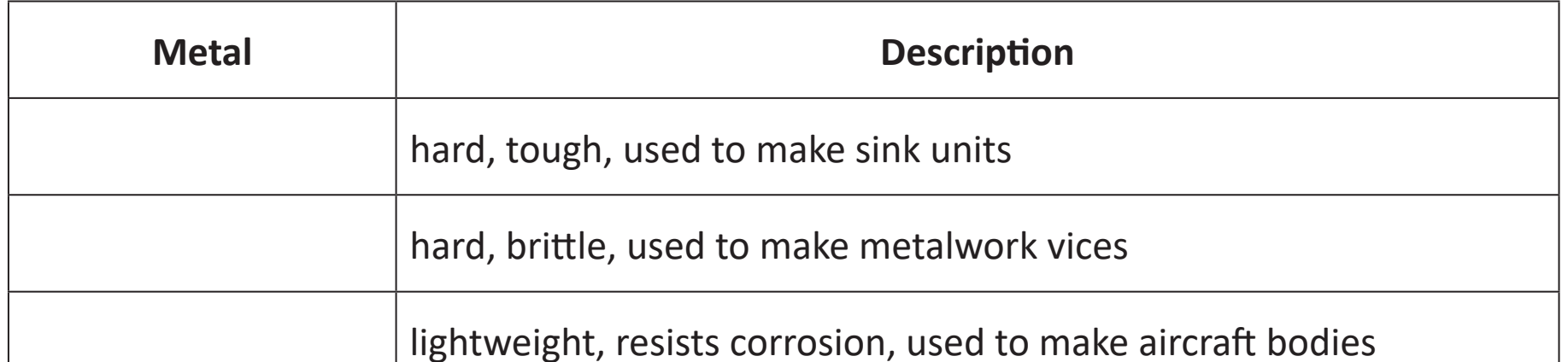
- Relationship: Hardness shows surface resistance, while brittleness is about how likely a material is to fracture under stress or impact.
- Examples: Glass is hard because it resists scratches but is brittle since it breaks easily upon impact.
Note
According to research, some materials possess both high hardness and brittleness.
Hardness vs. Toughness
- Contrast:
- Hardness measures resistance to indentation and scratching on surfaces.
- Toughness measures a material's ability to absorb energy and plastically deform before breaking, showing its resilience.
- Response to Impact: Tough materials withstand blows without breaking; hard materials resist scratches and penetration.
- Toughness Tests: Unlike hardness tests, toughness tests like Charpy or Izod measure energy absorption when a material faces a sudden force.
Important
A common mistake is equating toughness and hardness; they are distinct properties with different implications.
Note
Summary
- Hardness: A measure of resistance to indentation and scratching.
- Testing: Using indentation tests to see how a material handles force causing indentations.
- Hardness and Brittleness: Some materials like glass are hard due to indentation resistance but can break under impact.
- Hardness and Toughness: Defined by how a material reacts to surface indentation versus its internal energy absorption when impacted.