Smart Technology (Junior Cert Engineering): Revision Notes
📚Revision Notes
Smart Technology
Smart technology represents one of the most significant technological advances of the 21st century. It combines artificial intelligence, connectivity, and automation to create devices and systems that can think, learn, and respond to our needs automatically.

What is smart technology?
Smart technology describes devices and systems that use artificial intelligence (AI), the Internet of Things (IoT), and automation to improve performance, make processes more efficient, and enhance the user experience. These technologies work together to create systems that can monitor themselves, analyse data, and make decisions without constant human intervention.
Important
The term SMART actually stands for Self-monitoring, Analysis, and Reporting Technology. This means smart devices can:
- Monitor their own performance
- Analyse the data they collect
- Report back with useful information
- Make automatic adjustments when needed
Smart technology uses advanced software and hardware components including sensors, microchips, internet connectivity, and analytical programmes to transform ordinary objects into intelligent, responsive devices.
Note
The key difference between traditional technology and smart technology is the ability to learn, adapt, and respond automatically to changing conditions without human intervention.
Examples of smart technology
Smart technology includes various types of devices and systems, which can be organised into three main categories:
Internet of Things (IoT) devices
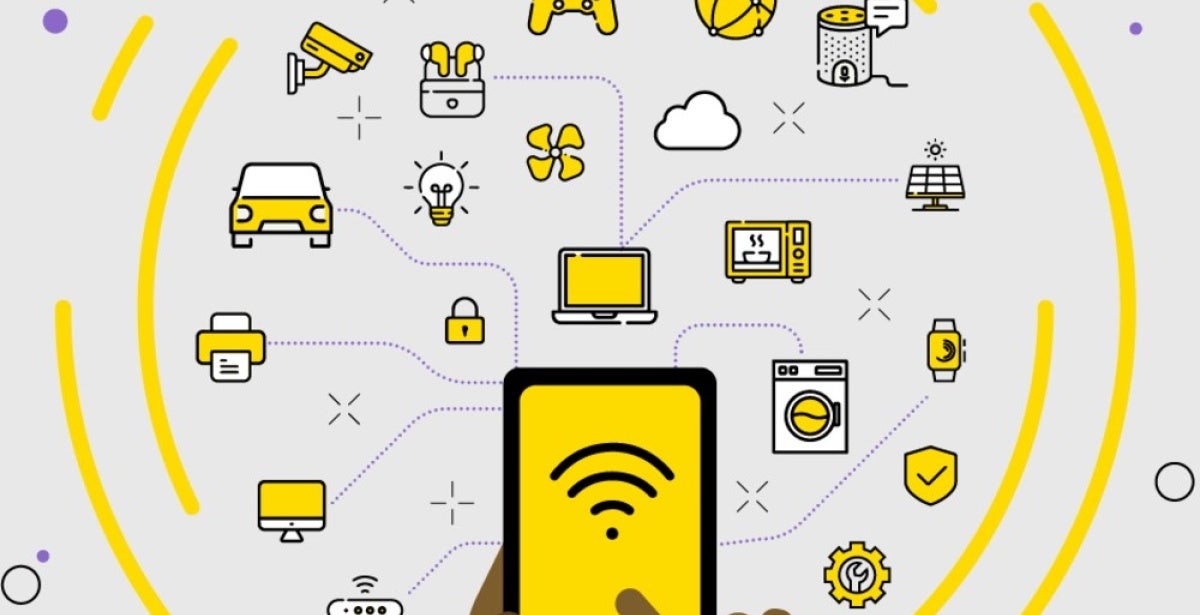
IoT devices form networks of connected objects that use sensors, microchips, software, internet connectivity, analytics, and applications to bring everyday physical objects to life. These devices collect and share data to provide valuable insights and automated responses.
Example
IoT Device Network Example: Smart City Traffic Management
Step 1: Sensors in traffic lights collect data about vehicle flow Step 2: Data is analysed by central management software Step 3: Traffic light timing is automatically adjusted to reduce congestion Step 4: Real-time information is shared with navigation apps on smartphones
IoT devices create significant value because they are:
- Futuristic: They represent the cutting edge of technological advancement
- Scalable: Networks can grow from a few devices to thousands
- Automated: They work independently once set up properly
Common examples include smart cities (with connected traffic lights and parking systems), smart homes (with connected appliances and security systems), and smart factories (with connected machinery and monitoring systems).
Smart connected devices
These devices are controlled remotely and connect to the internet or via Bluetooth. Smart connected devices offer customised experiences but require careful management since they don't adapt as extensively as full IoT systems.

Example
Smart Connected Device Example: Smart Thermostat
A smart thermostat allows you to:
- Control home temperature from anywhere using a smartphone app
- Set schedules for different times of day
- Monitor energy usage and costs
- Receive alerts about system maintenance needs
Examples include:
- Smart security cameras that send alerts to your phone
- Smart light bulbs that change colour and brightness
- Smartphones that control other devices
- Smart thermostats that you can adjust from anywhere
Note
One advantage of smart connected devices is their reliability when travelling, as they can maintain connections through various internet access methods.
Smart devices
These devices have limited automation capabilities, don't require internet connectivity, and are programmable to provide personalised services at specific times.
Example
Standalone Smart Device Example: Programmable Coffee Maker
A smart coffee maker can be programmed to:
- Brew coffee at exactly 7:00 AM every weekday morning
- Use different brewing strength for weekends
- Provide personalised service without internet connectivity
- Remember multiple user preferences
Benefits of smart technology
Smart technology offers numerous advantages that improve our daily lives in several key areas:
Convenience
Smart technology enables us to accomplish multiple tasks simultaneously with minimal effort. You can now control many aspects of your environment using simple voice commands or smartphone apps.
Examples of convenience include:
- Adjusting room lighting with voice commands
- Securing your home remotely through smartphone apps
- Ordering food online with just a few taps
Note
Modern smart technologies can also:
- Understand your preferences by analysing your behaviour patterns
- Provide personalised, automated services based on your habits
- Consider external factors like traffic conditions to give you better guidance and safer routes to your destination
Energy management and automation
Smart technology plays a crucial role in conserving energy and reducing costs. These systems can regulate and automate energy usage by:
- Switching off lights, heating, and cooling systems when not needed
- Adjusting appliances when optimal conditions are achieved
- Learning from usage patterns to optimise energy consumption
Note
This creates a win-win situation where you save money whilst helping to conserve energy for environmental benefits.
Security
Smart technology provides more reliable security than traditional, manually operated systems. Smart security equipment includes door sensors, alarm systems, security cameras, and video doorbells that:
- Alert property owners about potential threats
- Inform law enforcement agencies automatically when needed
- Take protective measures such as locking doors or blocking access routes
Important
Smart systems can also detect problems like smoke, gas leaks, or water damage, enabling real-time preventive action that could save people from discomfort or even serious harm.
Efficiency
Smart technology uses data analysis to understand how improvements can be made. It tracks and analyses ongoing activities to deliver better results in the future. This means:
- Processes and systems become more efficient over time
- Users become more productive in their daily activities
- Smart devices often use ready-made software solutions that save time, reduce development costs, and improve overall performance
Cost and time savings
Ultimately, smart technology helps people save both time and money whilst becoming more productive, comfortable, and secure. The automation and optimisation features mean less manual work and fewer wasted resources.
Smart systems learn from your habits and preferences to provide increasingly efficient services that adapt to your lifestyle and needs.
Summary
Key Points to Remember:
- Smart technology combines AI, IoT, and automation to create intelligent, responsive systems
- SMART stands for Self-monitoring, Analysis, and Reporting Technology
- Three main types: IoT devices, smart connected devices, and standalone smart devices
- Five key benefits: convenience, energy management, security, efficiency, and cost/time savings
- Smart devices learn from data to provide increasingly personalised and efficient services