Introduction to Materials (Junior Cert Engineering): Revision Notes
📚Revision Notes
Introduction to Materials
Materials form the foundation of all engineering and design work. Understanding different types of materials and their properties is essential for any Junior Cycle Engineering student. This topic explores how materials have evolved from simple natural substances to complex modern alternatives.
The evolution of material use
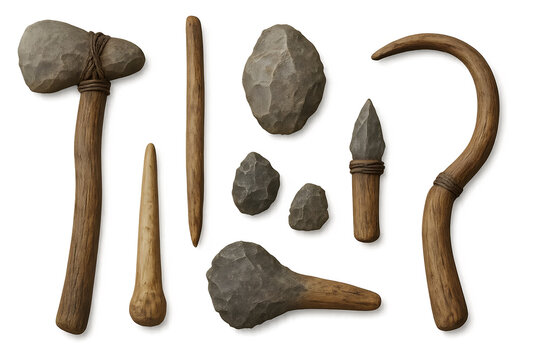
Throughout history, humans have relied on available materials to meet their basic needs. In early times, people were restricted to using naturally occurring substances that they could find in their environment.
Note
Early civilisations used materials such as:
- Stone - for building and tool making
- Wood - for construction and fuel
- Bone - for tools and weapons
- Clay - for pottery and building
- Horn - for containers and tools
- Animal skins - for clothing and shelter
These natural materials served essential purposes including creating tools, weapons, providing food storage, clothing, and protection from weather conditions.
Modern material development
Today's world offers engineers and designers an extensive variety of materials to choose from. Scientists and engineers continuously develop new materials with specific characteristics to meet particular requirements.

Modern material development focuses on creating substances with desirable properties - this means materials that have exactly the right characteristics needed for specific applications. For example, lightweight but strong materials for aircraft, or flexible yet durable materials for electronic devices.
Categories of materials
Materials can be organised into three main categories based on their physical state: solids, liquids, and gases. Each category serves different purposes in engineering applications.
Solid materials
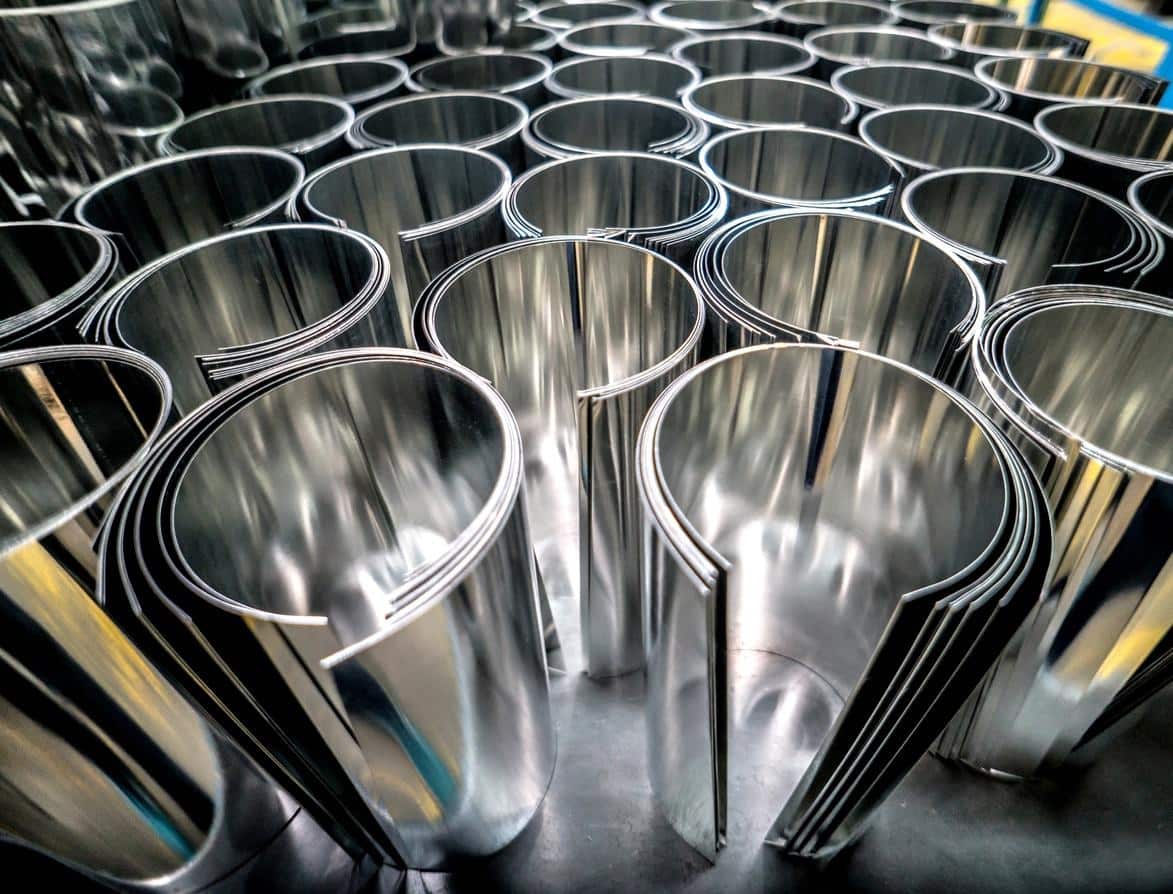
Solid materials include a wide variety of substances such as metals, plastics, and woods. These materials are often referred to as resistant materials because they can withstand forces and are commonly used to build structures and frameworks.
Note
Key examples of solid materials:
- Metals - steel, aluminium, copper
- Plastics - acrylic, polythene, PVC
- Woods - softwoods like pine, hardwoods like oak
These materials are chosen for construction projects because they can bear loads, resist wear, and maintain their shape under stress.
Liquid materials
Liquids play a crucial role in engineering applications, particularly in workshop environments and mechanical systems.

Note
Common uses of liquids include:
- Oils - for lubrication of moving parts
- Hydraulic fluids - for powering hydraulic systems
- Cutting fluids - to cool and lubricate during machining
- Soldering fluids - for joining metal components
- Adhesives - for bonding materials together
- Coolants - for heat treatment processes and cooling hot metals during forging
The actuating medium in hydraulics refers to the liquid (usually oil) that transmits power through the hydraulic system.
Gas materials
Gases serve important functions in both industrial applications and workshop settings.

Note
Primary uses of gases:
- Air - used as the actuating medium in pneumatic systems
- Air - for controlling and operating mechanical devices
- Air - in plastic coating units (fluidising systems)
- Propane, acetylene, and oxygen - for heating and welding applications
Pneumatics refers to systems that use compressed air to create movement and control mechanisms.
Why understanding materials matters
Having comprehensive knowledge about materials is fundamental to successful design and engineering work. This knowledge enables engineers to make informed decisions when selecting appropriate materials for specific projects.
Important
Essential material knowledge includes:
- Range of available materials - knowing what options exist
- Material properties - understanding strength, flexibility, durability, and other characteristics
- Shaping methods - how materials can be formed and modified
- Joining techniques - ways to connect different materials
- Appearance - visual and aesthetic qualities
- Cost considerations - economic factors affecting material choice
This comprehensive understanding allows engineers to compare different options, evaluate their suitability, and make well-informed selections that will result in successful designs.
Important
Exam tip: Remember that material selection involves balancing multiple factors - the "best" material isn't always the strongest or cheapest, but the one that best meets all the requirements of the specific application.
Summary
Key Points to Remember:
- Materials have evolved from simple natural substances (stone, wood, bone) to complex modern alternatives with specific properties
- Materials are categorised into three main types: solids (resistant materials), liquids (oils, lubricants, adhesives), and gases (pneumatic systems, heating applications)
- Solid materials like metals, plastics, and woods are called "resistant materials" because they can withstand forces and are used for construction
- Liquids serve important functions including lubrication, hydraulic power transmission, and cooling in workshop applications
- Understanding material properties, costs, and capabilities is essential for making good design decisions and successful engineering solutions