Metals (Junior Cert Engineering): Revision Notes
📚Revision Notes
Metals
Introduction to metal classification
Metals are divided into two main categories based on their iron content. Understanding this classification is essential for selecting the right material for engineering applications.
Ferrous metals are those that contain iron as their primary component. These include steel, cast iron, and other iron-based alloys. The name comes from the Latin word "ferrum," meaning iron.
Non-ferrous metals do not contain iron. This group includes pure metals like aluminium, copper, lead, and tin, as well as alloys such as brass, bronze, and solder.
Note
The term "ferrous" comes from the Latin word "ferrum," meaning iron. This is why ferrous metals are specifically those that contain iron as their main component, while non-ferrous metals do not contain iron at all.
Ferrous metals
Ferrous metals form the backbone of modern engineering and construction due to their strength, versatility, and relatively low cost.
Iron ore and the blast furnace
The journey from raw materials to finished metal products begins with iron ore. Iron ore primarily consists of iron oxide, which is iron chemically combined with oxygen. The ore contains various impurities like rocks, clay, and sand that must be removed during processing.
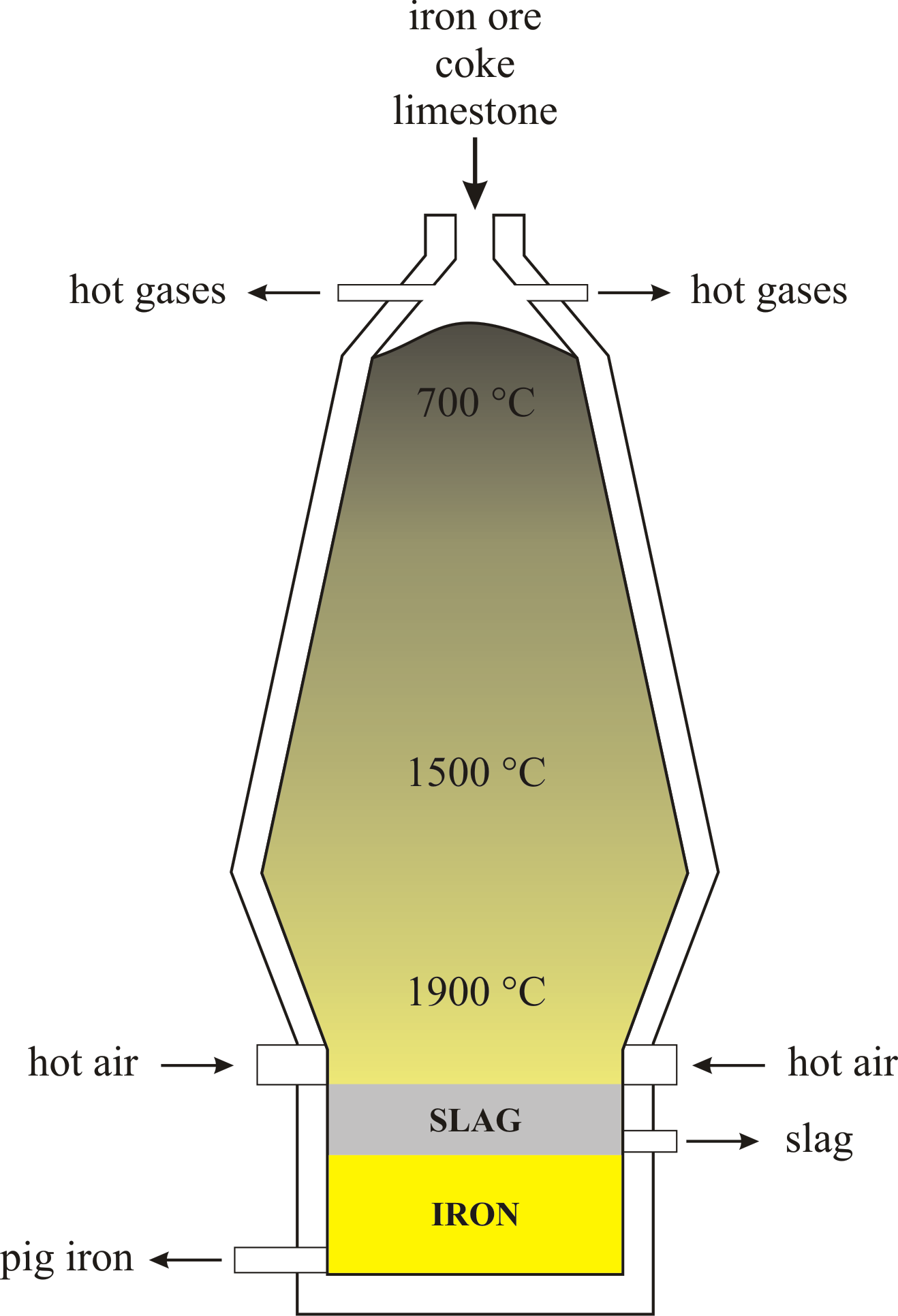
The blast furnace is a tall, cylindrical structure used to extract iron from iron ore. The process involves several key steps:
Example
Blast Furnace Operation Process:
Raw materials loaded into the furnace:
- Iron ore (the source of iron)
- Coke (carbon fuel that burns to provide heat)
- Limestone (helps remove impurities)
Operation process:
- Hot air is blown through nozzles called tuyeres at the bottom of the furnace
- As coke burns, it produces intense heat and carbon monoxide gas
- The carbon monoxide combines with oxygen in the ore, leaving pure iron
- Limestone combines with earthy impurities to form slag
- Molten iron and slag settle at the bottom, with slag floating on top due to being lighter
- Both iron and slag are tapped off periodically as they build up
The molten iron from the blast furnace can then follow different paths depending on the intended final product.
Steel production methods
Steel is produced by refining iron and controlling its carbon content. The two main modern methods are the basic oxygen process and the electric arc furnace process.
The basic oxygen process
This method accounts for approximately 60% of world steel production. The term "basic" refers to the alkaline materials used in the process and the basic lining of the furnace.
Example
Basic Oxygen Process Steps:
- Scrap metal and molten iron are loaded into the furnace
- A water-cooled oxygen lance is inserted into the furnace
- Pure oxygen is blown onto the hot metal charge at very high speed
- Unwanted impurities burn away from the molten metal
- Lime is added to form slag, which helps with purification
- Samples are taken during the "blow" stage to check composition
- When the temperature and composition are correct, the steel is poured into a ladle
- The furnace is tilted to empty the slag, which is rich in phosphorus and used as fertiliser
The electric arc furnace
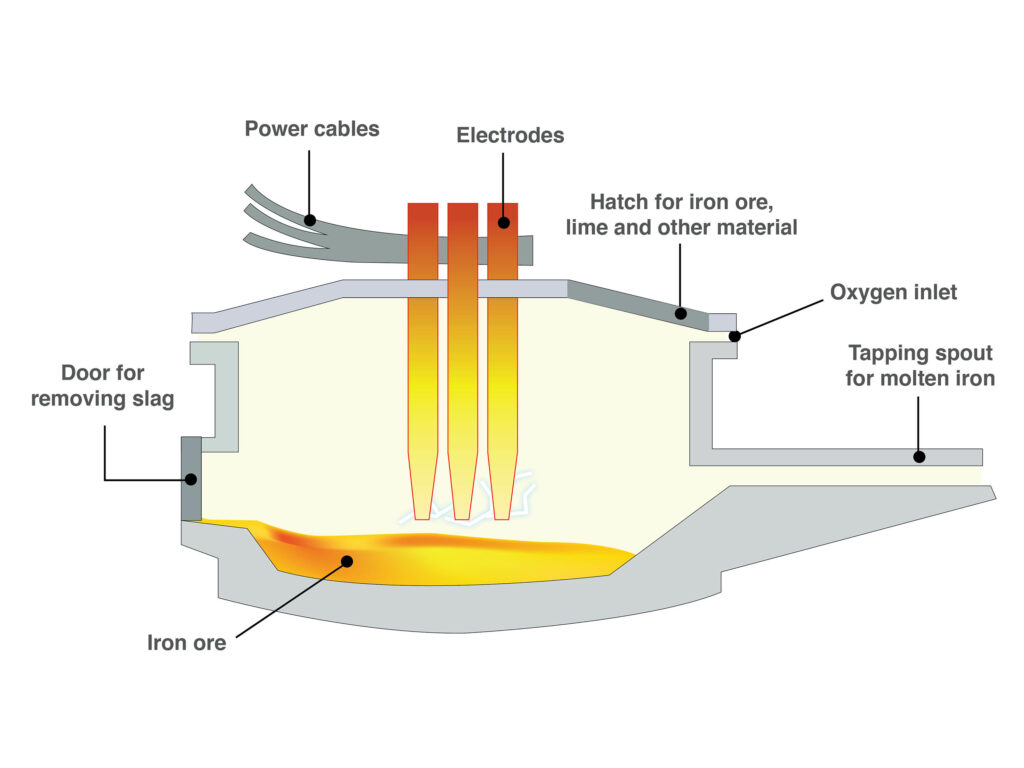
Originally designed for producing high-quality specialty steels, electric arc furnaces are now widely used for general steel production from scrap materials.
Note
Key Features of Electric Arc Furnaces:
- Heat is generated by electric arcs between carbon electrodes and the metal charge
- Scrap metal, lime, and sometimes iron ore are fed into the furnace
- The furnace can tilt on rollers for easy tapping of molten steel
- Samples are taken regularly to monitor steel composition
- When the composition is correct, slag is removed and steel is tapped
Types of steel
Steel is an alloy of iron and carbon, with carbon content typically ranging from about 0.05% to 1.5%. Although the carbon content appears small, it has a dramatic effect on the metal's properties.
Plain carbon steels
These steels contain primarily iron and carbon, with carbon content varying between approximately 0.05% and 1.4%.
Mild steel (0.05-0.3% carbon):
- Properties: Ductile, malleable, and reasonably tough
- Applications: Car bodies, bolts, gates, structural components like railings and girders
- Easy to work with and weld, making it ideal for general construction
Medium carbon steel (0.3-0.6% carbon):
- Properties: Tough and strong with increased hardness compared to mild steel
- Applications: Axles, railway tracks, wire ropes, spades, and gears
- Offers a good balance between workability and strength
High carbon steel (0.6-1.4% carbon):
- Properties: Hard and wear-resistant, can be hardened and tempered
- Applications: Cutting tools, files, chisels, springs, and hammers
- Requires careful heat treatment to achieve optimal properties

Important
Although carbon content in steel appears small (less than 1.5%), it has a dramatic effect on the metal's properties. Even small changes in carbon percentage can significantly alter the strength, hardness, and workability of the steel.
Alloy steels
Alloy steels are produced by adding various elements such as chromium, tungsten, nickel, or manganese to steel. These additions improve existing properties or create new ones, such as increased corrosion resistance or the ability to maintain hardness at high temperatures.
High-speed steel:
- Composition: Iron, tungsten, chromium, molybdenum, vanadium, and carbon
- Properties: Extremely hard and can withstand heat generated during high-speed cutting
- Applications: Drills, laith cutters, reamers, taps, dies, and hacksaw blades
Stainless steel:
- Composition: Iron, chromium, nickel, and carbon
- Properties: Excellent corrosion resistance due to chromium content
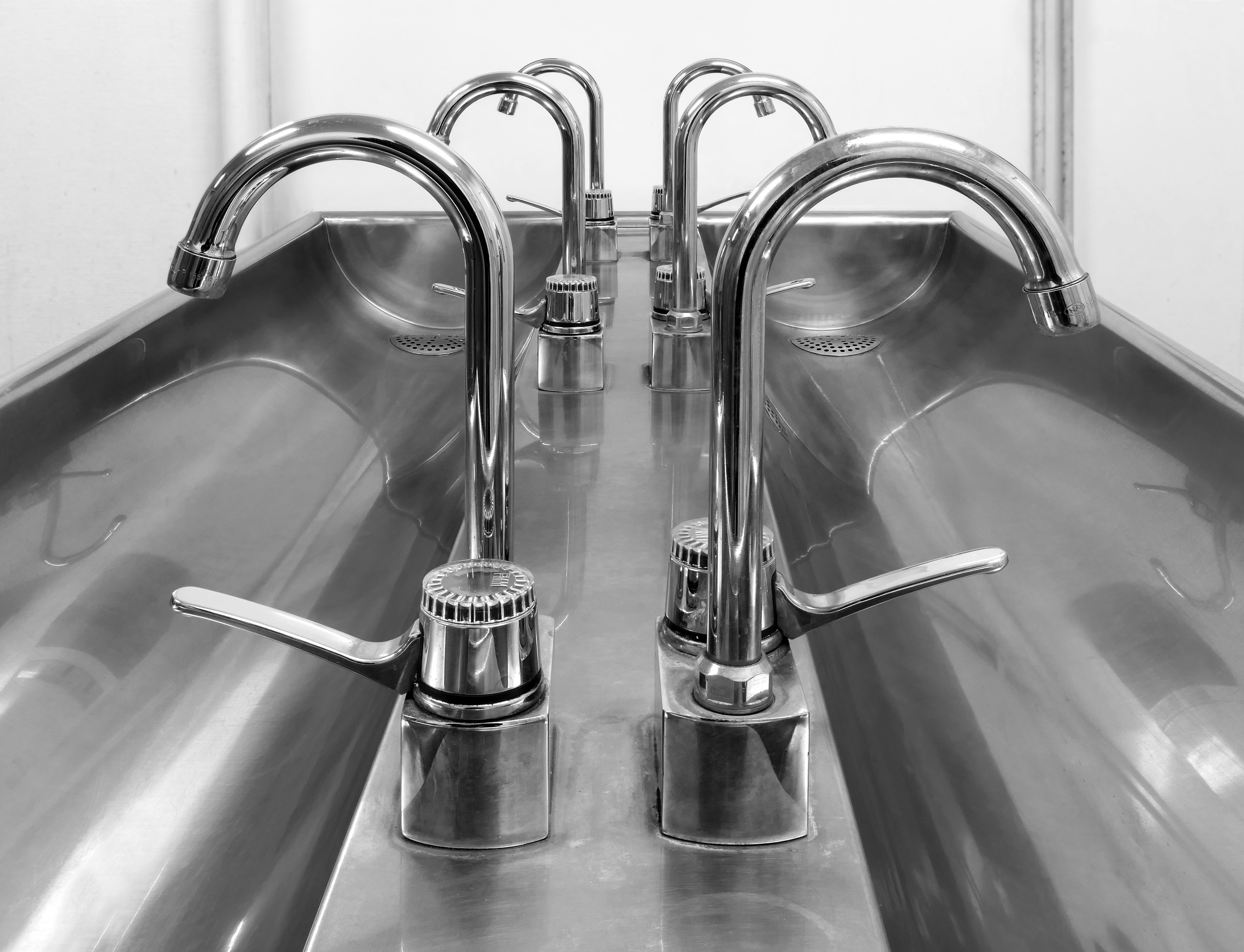
- Applications: Cutlery, kitchen sinks, tableware, surgical instruments, and scissors
Cast iron and coated ferrous metals
Cast iron
Cast iron is produced by refining blast furnace iron in a smaller furnace called a cupola. Steel scrap is often added to control the carbon content, which typically ranges from 2-4%.
Note
Key Properties of Cast Iron:
- Strong in compression but weak in tension
- Brittle - may crack if struck with a hard blow
- Good resistance to wear
- Fluid when molten, allowing casting into intricate shapes
- Lower melting temperature than steel (1,130°C to 1,250°C)
- Can be strengthened through additional treatments
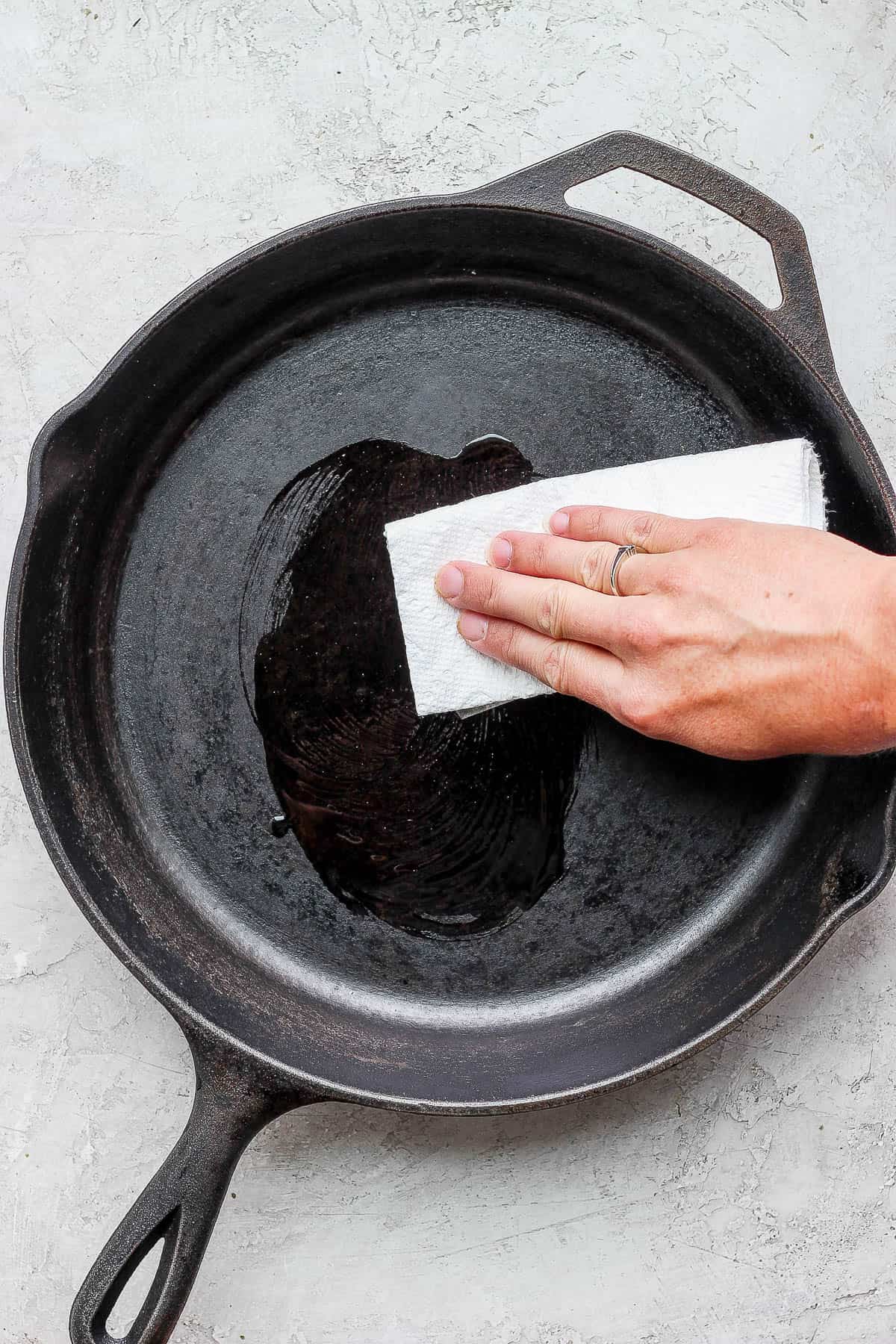
Types of cast iron:
- Grey cast iron: Most common type with a grey fractured surface, easily machined, used for machine beds, laith beds, vice bodies, drilling machine tables
- White cast iron: Very hard and almost unmachineable, used for applications requiring extreme hardness like stone-crushing machinery
Coated ferrous metals
These are steel products with protective coatings to enhance their properties.
Tinplate:
- Mild steel sheets coated with tin
- The tin coating prevents rusting and provides an attractive appearance
- Easily soldered for joining
- Used for food containers, paint cans, and lubricant containers
Galvanised iron:
- Despite its name, this is mainly mild steel coated with zinc
- Provides excellent corrosion resistance
- Used for roofs, buckets, boat trailers, barbed wire, and lamp posts
Non-ferrous metals
Non-ferrous metals do not contain iron as their base element. This group includes both pure metals and various alloys, each with specific properties suited to particular applications.
Pure metals
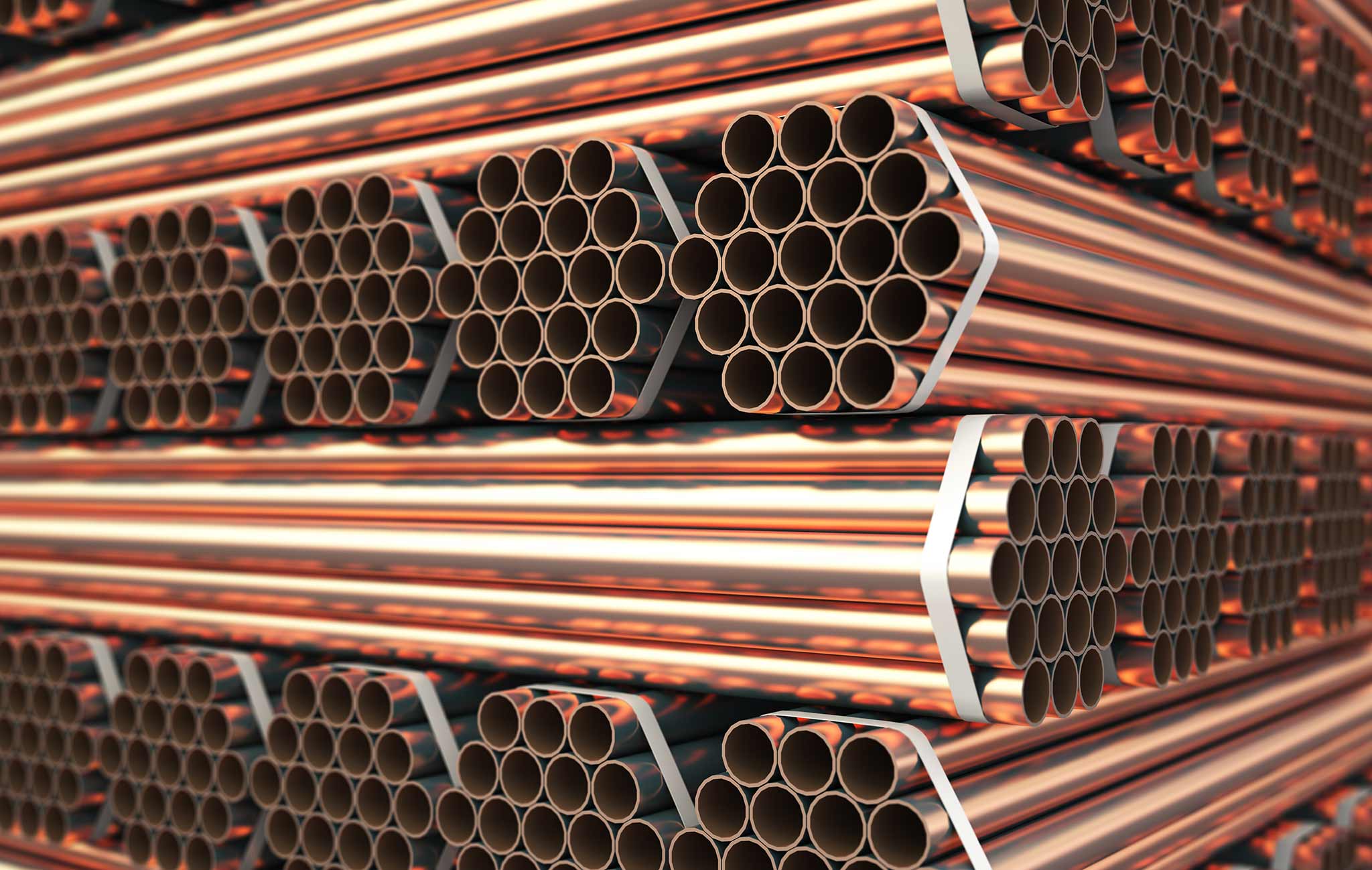
Aluminium:
- Properties: Lightweight, malleable, ductile, good conductor of heat and electricity, corrosion-resistant
- Applications: Aeroplane parts, vehicle bodies, electric cables, cooking utensils, foil, ladders
- Third most abundant element in Earth's crust
Copper:
- Properties: Ductile, malleable, excellent conductor of heat and electricity, corrosion-resistant, easily soldered
- Applications: Electric cables, water pipes, hot water cylinders, plumbing fittings
- One of the first metals used by humans
Lead:
- Properties: Soft, malleable, low melting point, corrosion-resistant
- Applications: Car batteries, chimney flashings, radiation shielding, component in solder
- Dense metal useful for radiation protection
Zinc:
- Properties: Corrosion-resistant but brittle
- Applications: Galvanising steel, battery casings, alloy components for door handles and toys, sacrificial anodes for marine equipment
- Often used to protect other metals from corrosion
Tin:
- Properties: Soft, low melting point, corrosion-resistant
- Applications: Coating steel sheets to make tinplate, component in solder and bronze alloys
- Has been used for thousands of years
Non-ferrous alloys
Non-ferrous alloys are created by mixing two or more metals, sometimes with other elements, to improve the properties of the base metals.
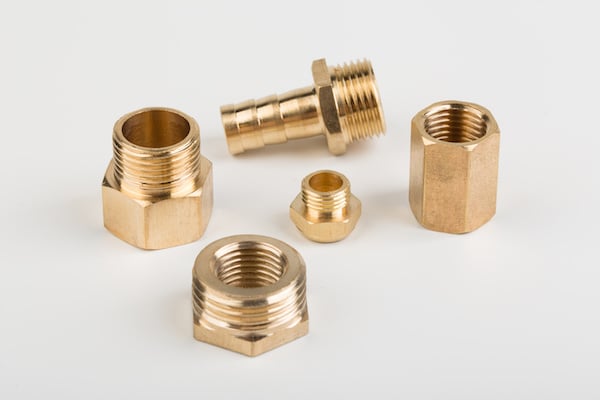
Brass:
- Composition: Typically 65% copper and 35% zinc
- Properties: Corrosion-resistant, good conductor of heat and electricity, attractive golden appearance
- Applications: Plumbing fittings, boat fittings, musical instruments, screws, electrical fittings, brazing spelter
Bronze:
- Composition: Typically 88% copper and 12% tin
- Properties: Harder than copper, corrosion-resistant, low friction characteristics
- Applications: Pumps, valves, statues, bearings, coins, gear wheels
- One of the first alloys developed by humans
Solder:
- Composition: Lead and tin in various proportions
- Properties: Good joining characteristics, low melting point
- Applications: Joining copper pipes, making electrical and electronic connections
- Essential for electrical work
Corrosion and protection methods
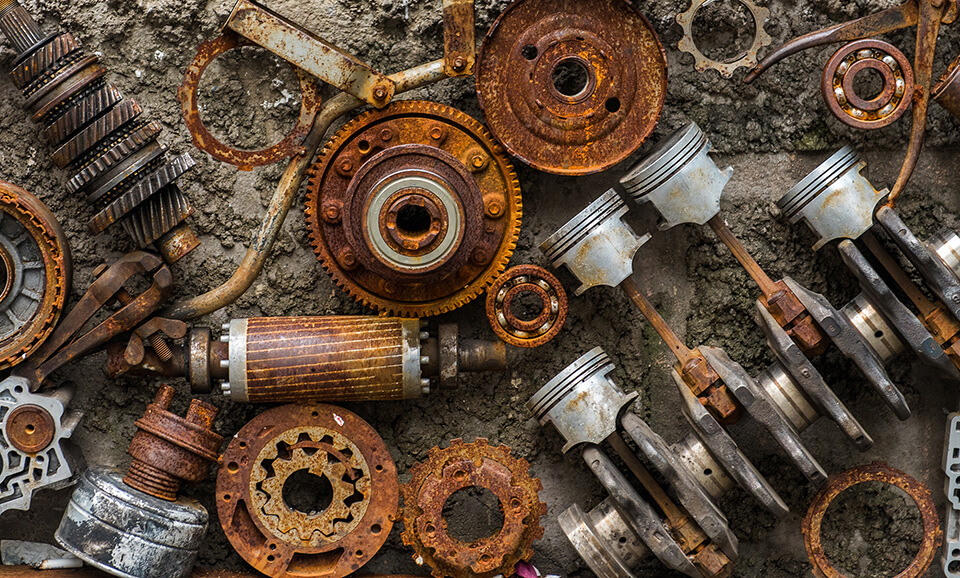
Corrosion is the deterioration of metals due to chemical reactions with their environment. Rusting of iron and steel is the most common form, but other metals can also corrode.
Important
Corrosion can cause significant structural damage and safety hazards. Proper protection methods are essential for maintaining metal structures and preventing costly failures.
Methods to combat corrosion include:
Protective coatings:
- Paints, lacquers, plastic coatings provide barriers against moisture and oxygen
- Zinc coatings (galvanising) and tin coatings offer sacrificial protection
- These need periodic renewal for continued effectiveness
Material selection:
- Using metals with natural corrosion resistance such as stainless steel, aluminium, copper, lead, and brass
- More expensive initially but may be cost-effective long-term
Design techniques:
- Avoiding crevices and moisture traps in structures
- Providing drainage and ventilation facilities
- Proper spacing of structural members to allow access for maintenance and painting
Anodising:
- An electrolytic process that thickens the natural oxide layer on aluminium surfaces
- Significantly improves corrosion resistance
- Commonly used in architectural applications
Sacrificial anodes:
- Placing pieces of zinc or other reactive metals near structures to be protected
- The sacrificial metal corrodes instead of the protected structure
- Commonly used on ships, pipelines, and underground storage tanks
Surface preparation:
- Removing existing rust through sandblasting, wire-brushing, or chemical treatments
- Essential before applying protective coatings
- Proper preparation greatly extends coating life
Summary
Key Points to Remember:
-
Ferrous metals contain iron and include steel and cast iron, while non-ferrous metals do not contain iron and include metals like aluminium, copper, and their alloys.
-
Carbon content determines steel properties - mild steel (0.05-0.3%) is ductile and easily worked, medium carbon steel (0.3-0.6%) is stronger, and high carbon steel (0.6-1.4%) is hard and wear-resistant.
-
Two main steel production methods are the basic oxygen process (using molten iron) and electric arc furnace (using scrap metal), both controlling carbon content and removing impurities.
-
Alloy additions enhance metal properties - chromium provides corrosion resistance in stainless steel, while tungsten allows high-speed steel to maintain hardness at high temperatures.
-
Corrosion protection is essential and can be achieved through protective coatings, careful design, material selection, and techniques like galvanising and sacrificial anodes.