Volcanoes II (Junior Cert Geography): Revision Notes
📚Revision Notes
Volcanoes II
Note
This section focuses on how humans interact with volcanoes. Volcanoes I focuses on the physical processes associated with volcanic activity.
Positives of Volcanic Activity
- Geothermal energy is a renewable resource generated by volcanic activity. It provides cheap electricity and heats people's homes. Ninety percent of homes in Iceland use geothermal energy, making it a cost-effective energy source.
- Hot springs and pools, created by volcanic activity, attract tourists. The Blue Lagoon in Iceland is an example, drawing 400,000 visitors annually, boosting the local economy.
- Hot water from volcanoes is used to keep pavements and roads ice-free in winter. This saves money for the government, which can be spent on other important infrastructure.
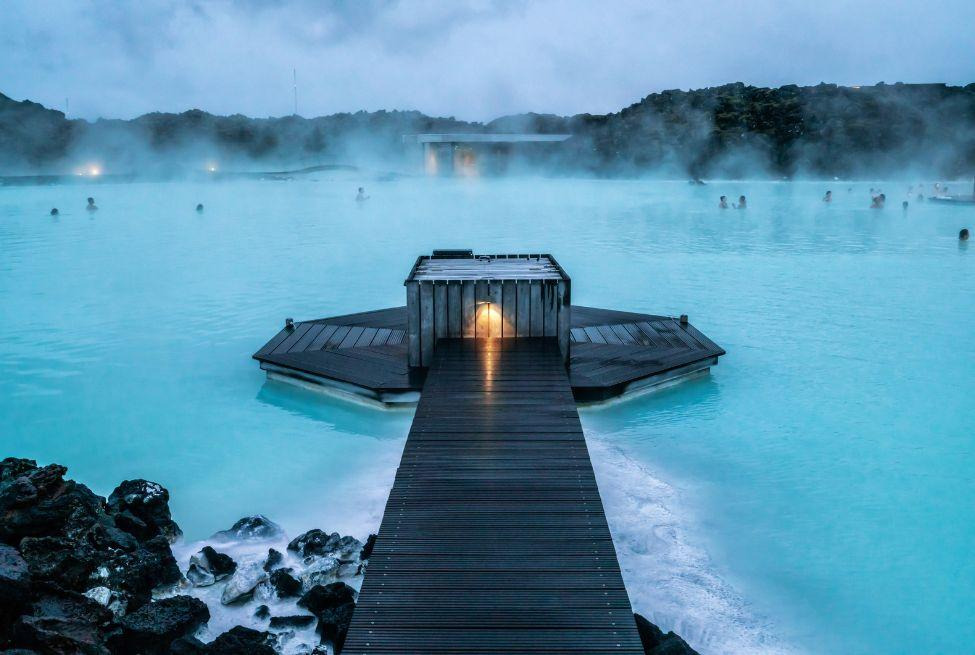
Blue Lagoon, Iceland
Negatives of Volcanoes
- Volcanic eruptions, like the 2010 Eyjafjallajökull eruption, can cause major disruptions. Ash clouds from the eruption led to the cancellation of over 100,000 flights, affecting 10 million passengers globally. This caused a financial loss of €1.3 billion. Air traffic control had to stop flights due to ash in the atmosphere, leading to worldwide delivery delays and production halts for industries.
- Volcanic features make some areas difficult to settle in, limiting population growth. This is because volcanic activity can damage infrastructure and homes.
- Prevailing winds spread volcanic ash. In Iceland, this makes some areas undesirable to live in.
Responding to Volcanoes
Planning:
- Proper planning can prevent communities from growing too close to dangerous volcanoes.
- Governments use hazard maps to predict areas at risk from lava flows.
- By creating exclusion zones, authorities can stop people from living in high-risk areas.
Prediction:
- Volcanoes can often be predicted, unlike earthquakes.
- Lava Domes can be a sign of a coming volcano.
- Governments use predictions to activate emergency plans, warning people and evacuating them from the danger zone.
Preparation:
- Education on volcanic hazards helps people know what to do during an eruption.
- Emergency supplies like food, water, clothing, and tents are essential for those who might need to evacuate.
- Governments have plans in place for evacuation and rescue operations.
- Many countries, including Ireland, have international disaster response systems to quickly deliver aid during volcanic disasters.
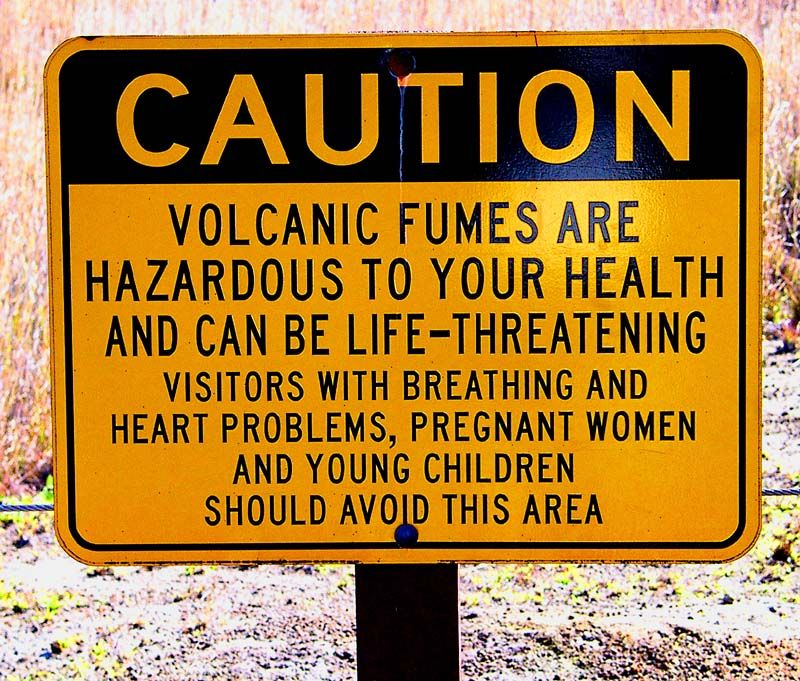
Sign warning about the danger of Volcanic Fumes