Patterns of Change in Health and Medicine (Junior Cert History): Revision Notes
📚Revision Notes
Patterns of Change in Health and Medicine
Health and Medicine in the Middle Ages
Mediaeval Medicine: Based on Ancient Greek theories, particularly the four humours (blood, black bile, yellow bile, and phlegm).
- Illnesses were believed to be caused by imbalances among the humours.
- Treatments:
- Bleeding: Cutting the patient to let them bleed.
- Cupping: Heated metal cups on the skin to draw fluids.
- Leeching: Using leeches to draw blood or fluids.
- Amputation: Cutting off limbs.

- Common Diseases: Typhoid, leprosy, smallpox, dysentery, and influenza. Poor diets and lack of hygiene increased susceptibility to illness and infection. Childbirth was dangerous due to blood loss and infection.
- Herbal Medicines: Commonly used.
- Monasteries: Often functioned as the first hospitals.
The Black Death (Bubonic Plague)
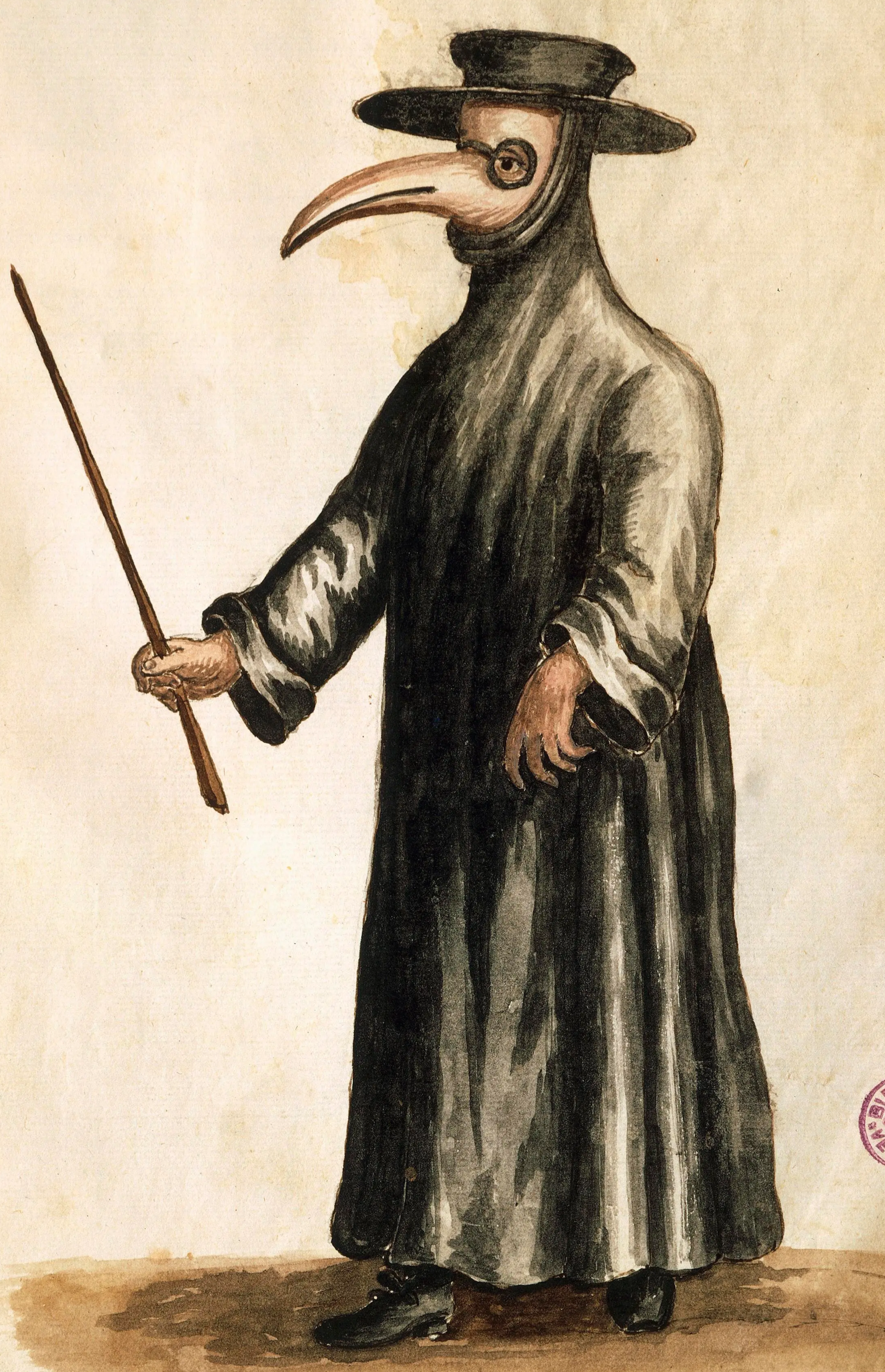
- Impact: Killed at least one-third of Europe's population between 1347 and 1350.
- Transmission: Carried by fleas on rats, symptoms included oozing swellings, discoloured skin, and phlegm-filled lungs.
- Contagion: Spread via sneezing, spitting, and contact with dead bodies. Mortality rate was 70-80% within a week.
- Beliefs: Many thought it was caused by God's anger or blamed outsiders like Jews or Moors.
The Impact of the Black Death
- Societal Change: Decline in serfdom as many serfs left manors for towns, leading to better treatment for remaining peasants.
- Medical Practice: Doctors began to question their methods, leading to changes during the Renaissance.
Medicine During the Renaissance
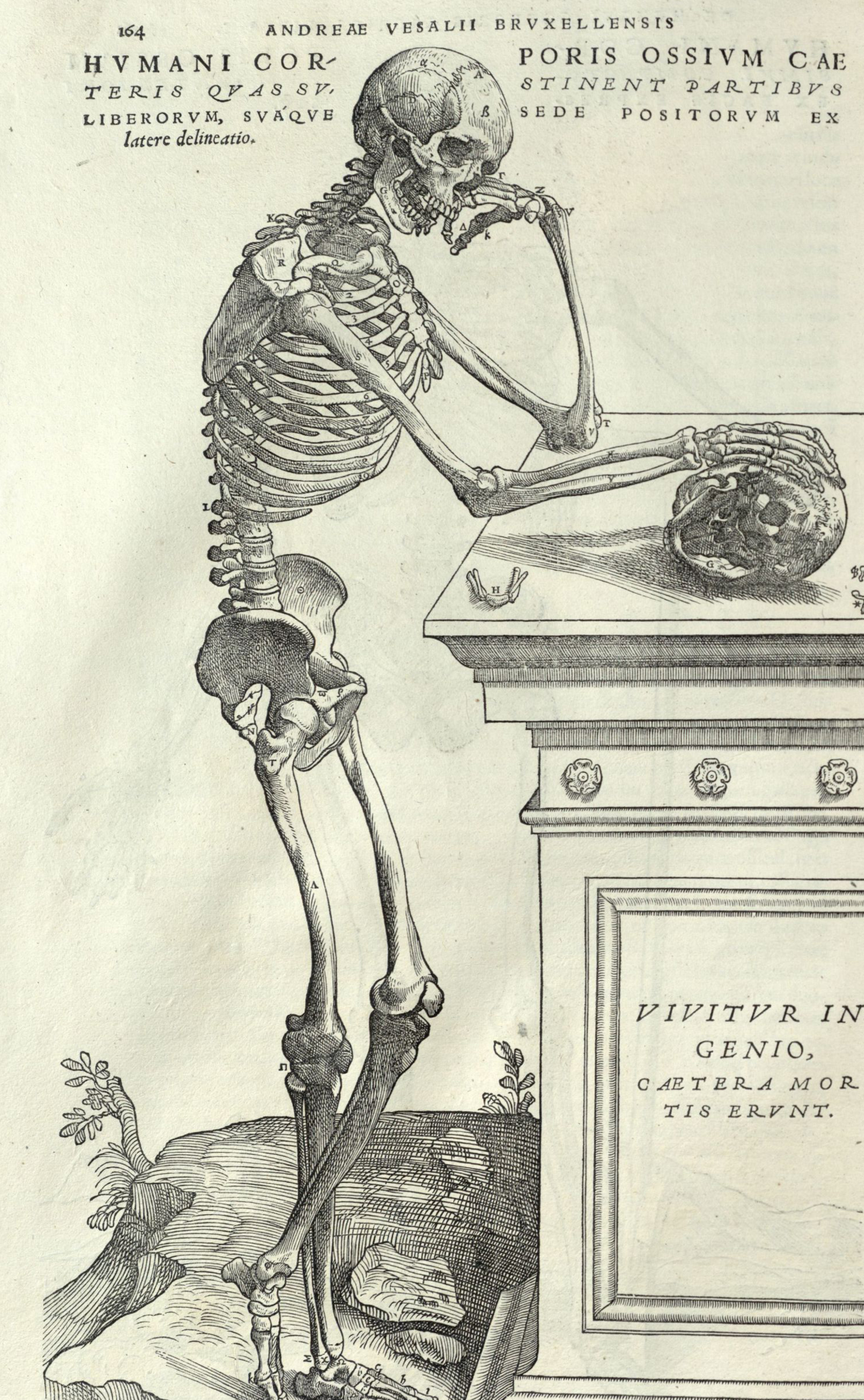
- Anatomy: Andreas Vesalius investigated anatomy and wrote "On the Structure of the Human Body," aided by the Printing Press for wide dissemination.
- Dissections: Helped understand human anatomy. William Harvey discovered the heart pumped blood around the body.
- Surgical Improvements: Advances in anatomy led to better surgical methods.
Twentieth-Century Medicine
- Life Expectancy: Increased due to medical discoveries and inventions.
Medical Discoveries
- 1910: Histamine discovered; Antihistamines treat allergies.
- 1912: Discovery of Vitamins; identified levels needed to avoid deficiencies like scurvy and rickets.
- 1921: Insulin discovered for treating diabetes.
- 1928: Penicillin, the first antibiotic, discovered by Alexander Fleming.
- 1953: Discovery of DNA (Deoxyribonucleic Acid), understanding genetics.
Medical Inventions
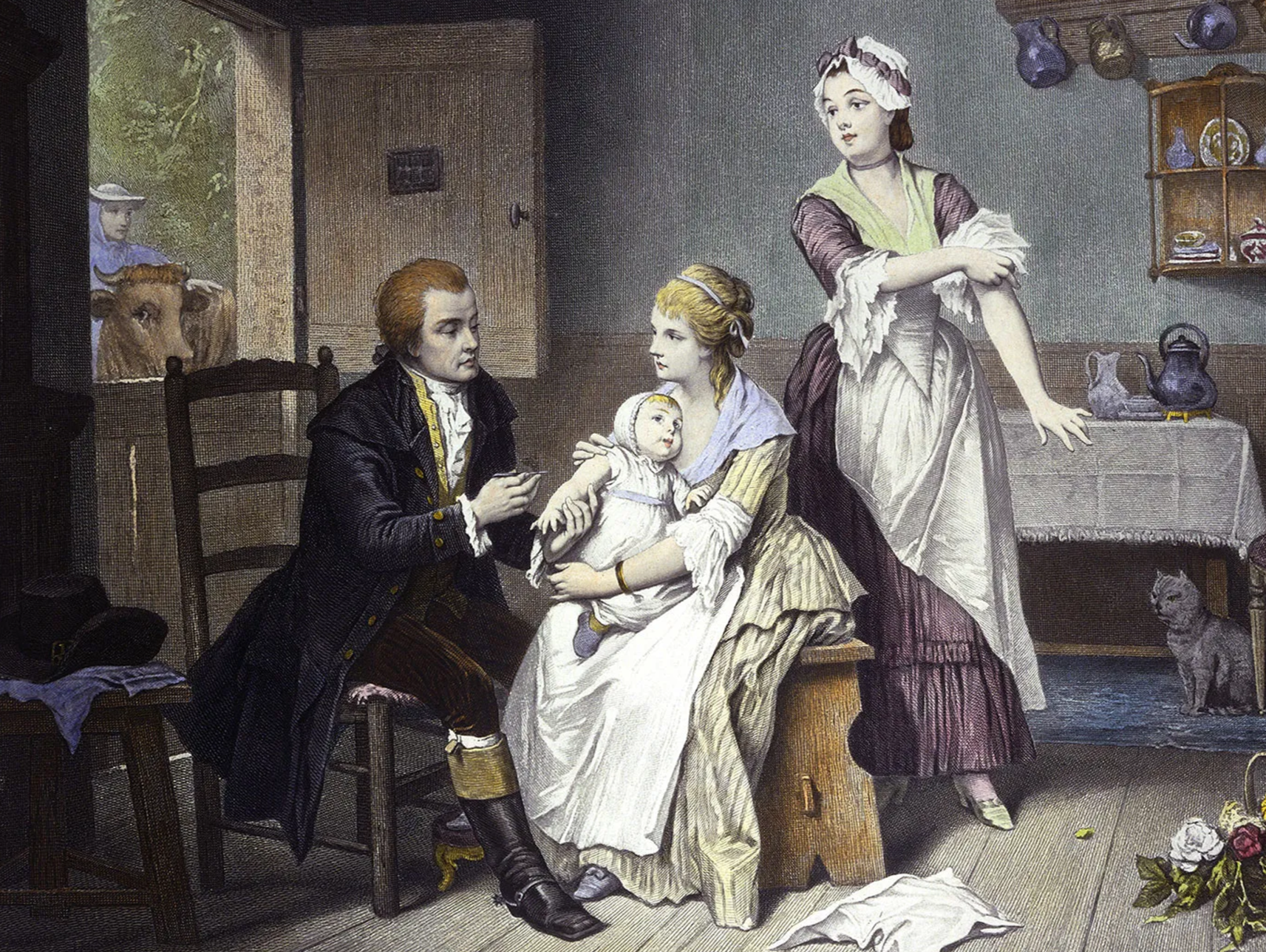
- 1798: Vaccination developed by Edward Jenner; eradicated smallpox.
- 1853: Endoscope allows internal body viewing.
- 1914: Portable X-Ray Machine improved by Marie Curie, used in WWI.
- 1956: Ultrasound for internal scans and monitoring pregnancies.
- 1960: Hormonal Contraception (the Pill), gave women control over fertility.
- 1967: CT Scan for detailed internal images.
Later Medical Inventions
- 1977: MRI for detailed organ and tissue images.
- 1978: In vitro fertilisation (IVF) for assisting pregnancies.
Surgical Advances
- Blood Types: Discovery before WWI enabled blood transfusions.
- Skin Grafts and Plastic Surgery: Advanced in the 20th century, particularly for war injuries.
- Transplant Surgery: First kidney transplant in 1954, first heart transplant in 1967.
- Laser and Keyhole Surgery: Less invasive, reducing infection risk and recovery time.
Key Terms
- Four Humours: an ancient medical theory that health was maintained by a balance of four bodily fluids: blood, phlegm, yellow bile, and black bile.
- Bleeding: (or bloodletting) was a medical practice used for centuries where blood was drawn from a patient to cure or prevent illness and disease, based on the belief it would restore the balance of the humours.
- Leeching: a method of bloodletting that involved using leeches to draw blood from a patient, believed to treat various ailments by removing excess blood.
- The Black Plague: The Black Plague (or Black Death) was a devastating global epidemic of bubonic plague that struck Europe and Asia in the mid-14th century, killing an estimated 25-30 million people in Europe.
- Andreas Vesalius: a 16th-century Flemish anatomist and physician who is often referred to as the founder of modern human anatomy, known for his detailed anatomical drawings and the groundbreaking book "De humani corporis fabrica."
- Penicillin: an antibiotic discovered by Alexander Fleming in 1928, revolutionising medicine by effectively treating bacterial infections and reducing mortality from diseases.
- DNA: (Deoxyribonucleic Acid) is the molecule that carries genetic information in living organisms, discovered by James Watson and Francis Crick in 1953, which is fundamental to the study of genetics and biology.
- Vaccination: the administration of a vaccine to stimulate the immune system to protect against infectious diseases, pioneered by Edward Jenner's smallpox vaccine in 1796.
- MRI: (Magnetic Resonance Imaging) is a medical imaging technique used to visualise internal structures of the body in detail using magnetic fields and radio waves, widely used for diagnosis and treatment planning.
Revision Questions
- What were the four humours believed to cause illness in mediaeval medicine?
- True or False: The Black Death killed one-third of Europe's population.
- What was the significance of Andreas Vesalius' work?
- Fill in the blank: Penicillin, discovered by Alexander Fleming, was the first ________.
- What medical condition does insulin treat?
- True or False: The Portable X-Ray Machine was first used in World War I.
- What discovery did William Harvey make about the human body?
- Fill in the blank: The discovery of DNA provided insights into ________.
- Who developed the first vaccine, and for which disease?
- True or False: MRI scans use magnetic fields and radio waves to create images of internal organs and tissues.