Patterns of Change in Technology (Junior Cert History): Revision Notes
📚Revision Notes
Patterns of Change in Technology
The Printing Press
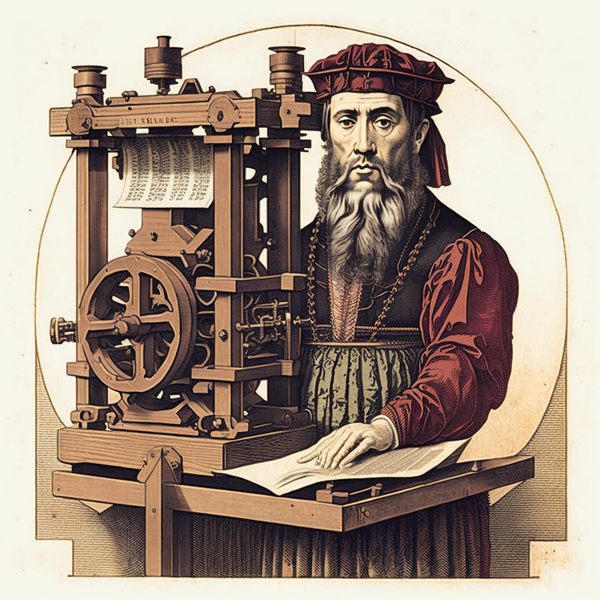
- Before the 1400s: Books were handwritten (manuscripts), time-consuming, and expensive, making them very rare.
- Johannes Gutenberg: Invented the moveable type printing press in the mid-1400s.
- Process: Individual metal letters were placed in a frame to form words, coated with ink, and pressed onto paper. The first book printed was the Gutenberg Bible.
- Spread: By 1500, printing presses were operating in every major European city.
Impact and Contribution to Historical Change
- Cheaper and Quicker: Printed books were far less expensive and faster to produce.
- Increased Literacy: More people learned to read and write, leading to widespread reading and the introduction of new ideas.
- Decline of Church Control: The Catholic Church's control over learning and ideas weakened.
- Rise of Vernacular: Books were published in native languages, not just Latin.
- Renaissance Spread: The printing press was crucial in spreading Renaissance ideas across Europe.
Advances in Navigation
- Before the Age of Exploration: Sailors stayed close to shorelines.
- New Maps: Cartographers used detailed maps from Constantinople and developed portolan charts to map coastlines, harbours, currents, tides, and depths accurately.
New Equipment
- Quadrant and Astrolabe: Used to determine a ship's latitude.
- Compass: Located north and identified direction.
- Log and Line: Measured a ship's speed in knots.
- Line and Lead Weight: Measured water depth to ensure safe sailing.
- Logbook: Captains recorded travel information regularly.
New Ship Innovations
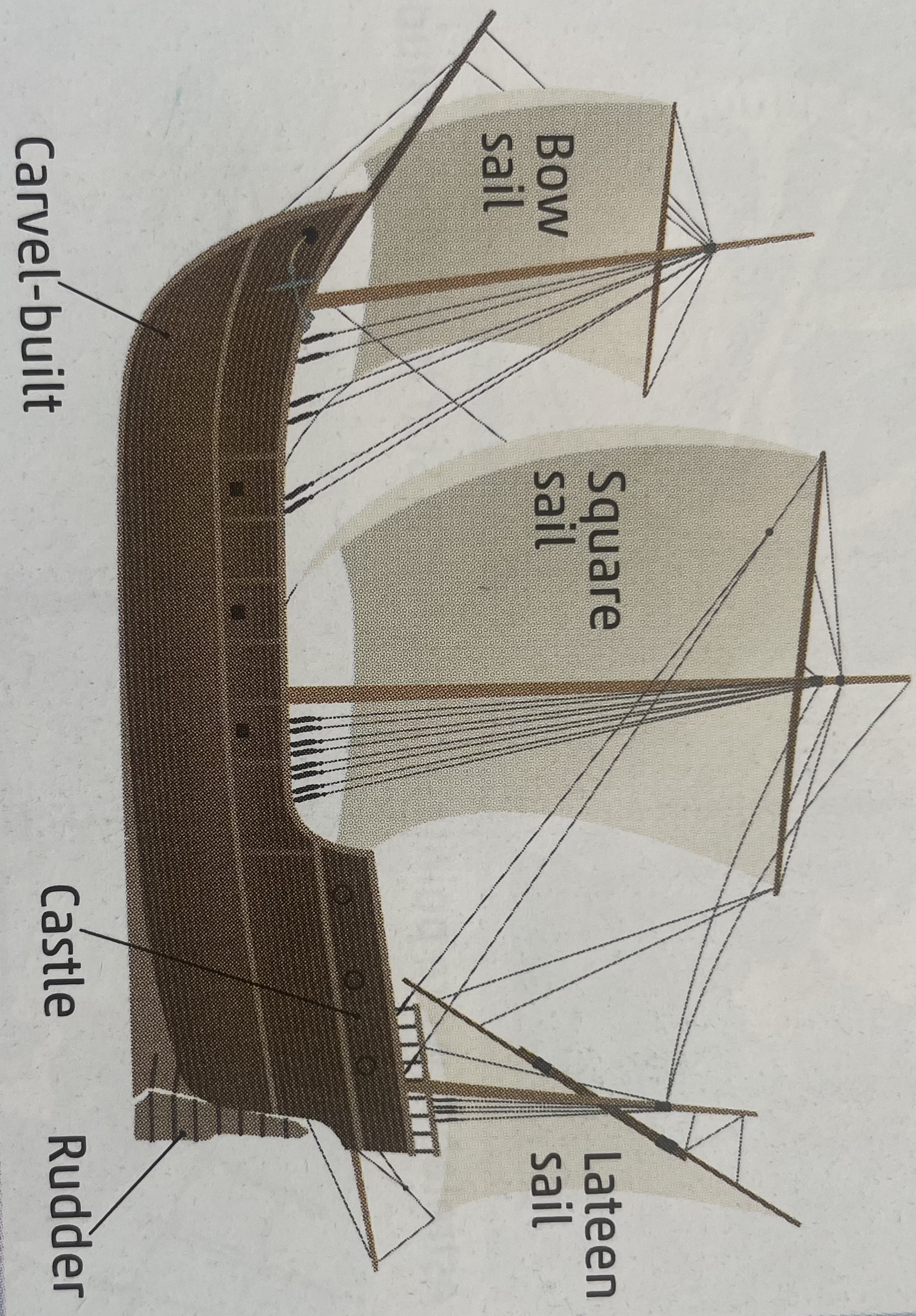
- Caravel: Large, sturdy ships with triangular lateen sails for better manoeuvrability.
- Carvel-Built Hulls: Planks fitted edge to edge, making ships lighter and larger.
- Rudder: Improved steering.
- Castle: At the back of the deck, provided lookout and defensive area.
Impact and Contribution to Historical Change
- Accurate Navigation: Allowed sailors to determine their exact location and make long voyages safer.
- Exploration and Colonisation: Enabled European exploration, conquest, and colonisation of the Americas and beyond.
Modern Military Technology
World War I: A New Era in Warfare
- Aeroplanes: Used for reconnaissance, aerial combat, and bombing.
- Submarines (U-boats): Attacked enemy ships.
- Tanks: Developed by the British to break the stalemate on the Western Front.
- Chemical Weapons:
- Phosgene: Responsible for 85% of chemical weapon fatalities.
- Chlorine Gas: Caused asphyxiation.
- Mustard Gas: Caused severe blistering and blindness.
- Shell Shock (PTSD): Recognised during WWI, with symptoms including anxiety, nightmares, and memory loss.
World War II
- Improved Submarines and Torpedoes: Research into sonar (ASDIC) and radar.
- Aircraft Carriers: Mobile airbases at sea.
- Tanks: Development of Panzer tanks, dummy tanks, and amphibious tanks.
- Weapons: Improved grenades, pistols, rifles, and machine guns, like the MG 42.
In the Air
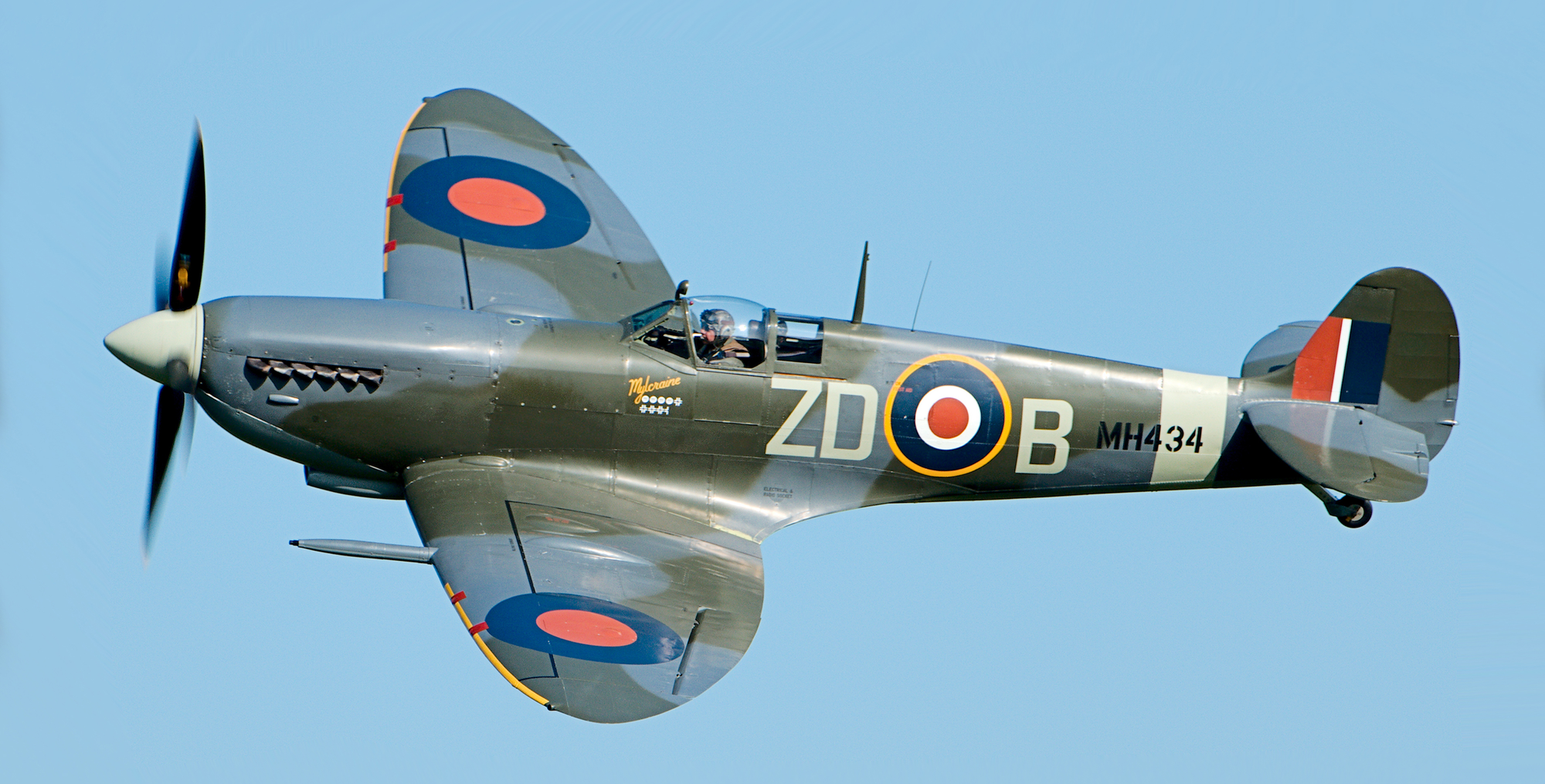
- Aircraft: British Hurricane and Spitfire, US B-29 Superfortress, and German Messerschmitt ME 262.
- Rockets: German V1 and V2 rockets.
The Atomic Bomb
- Manhattan Project: US research programme developing the atomic bomb, used on Hiroshima and Nagasaki in 1945.
Impact and Contribution to Historical Change
- Mobile Warfare: Technology allowed rapid movement and more extensive destruction.
- Civilian Impact: Increased civilian casualties and city destruction.
- Cold War Tensions: The atomic bomb threat loomed over US-Soviet relations.
The Space Race
First Satellite
- Sputnik: Launched by the Soviets in 1957, causing US concerns.
- Explorer: The first successful US satellite, launched in 1958.
First Man in Space
- Yuri Gagarin: Orbited Earth in 1961.
- John Glenn: First American in orbit, 1962.
Moon Landings
- NASA: Launched Gemini and Apollo missions.
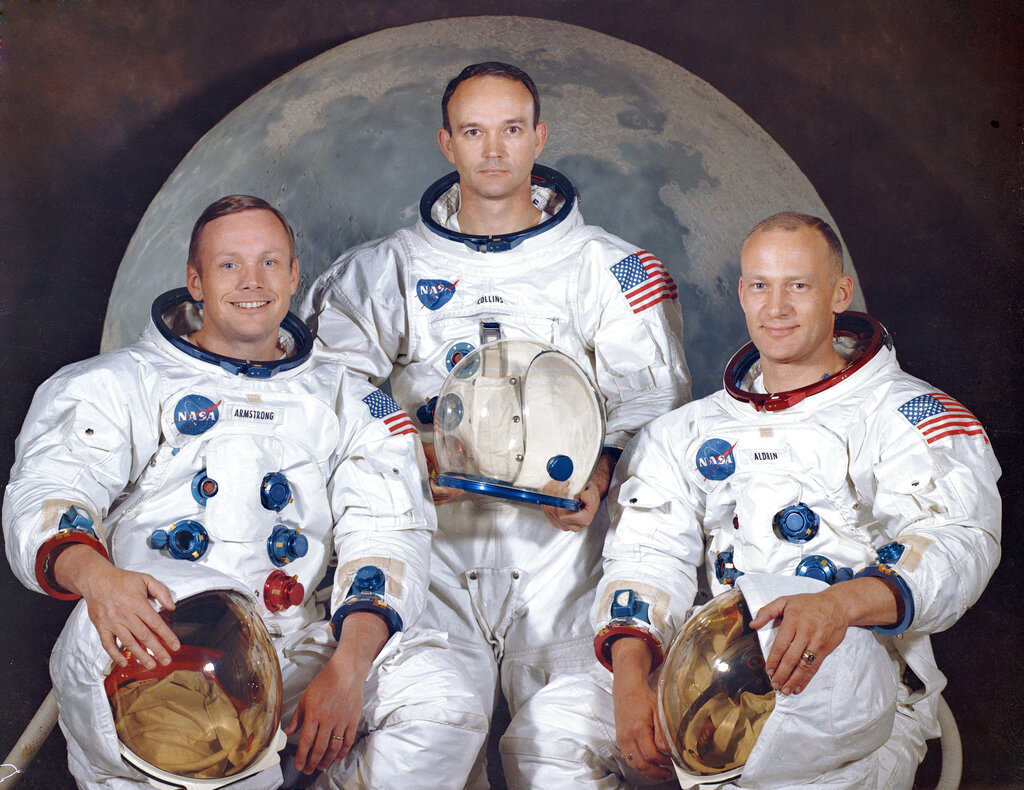
- Apollo 11: Launched in 1969, landing Neil Armstrong and Buzz Aldrin on the moon, watched by over 500 million people.
Impact and Contribution to Historical Change
- Technological Advancements: Satellite, communication, and computer technologies progressed.
- Cold War Victory: The US's moon landing marked a propaganda victory over the Soviet Union.
Key Terms
- Gutenberg Bible: the first major book printed using movable type by Johannes Gutenberg in the 1450s, marking the start of the printing revolution in Europe.
- Cartographers: professionals who create maps, using skills in geography, mathematics, and drawing to represent the physical features of the Earth.
- Phosgene Gas: a chemical weapon used during World War I, causing severe respiratory damage and often leading to death, one of the many toxic gases deployed in trench warfare.
- PTSD: (Post-Traumatic Stress Disorder) is a mental health condition triggered by experiencing or witnessing a traumatic event, characterised by flashbacks, severe anxiety, and uncontrollable thoughts about the event.
- Manhattan Project: a secret U.S. government research project during World War II that developed the first nuclear weapons, leading to the bombings of Hiroshima and Nagasaki.
- Sputnik: the first artificial Earth satellite, launched by the Soviet Union in 1957, marking the beginning of the space age and the space race between the U.S. and the USSR.
- NASA: (National Aeronautics and Space Administration) is the United States government agency responsible for the nation's civilian space programme and for aeronautics and aerospace research, established in 1958.
- Apollo 11: the NASA mission that successfully landed the first humans on the Moon on July 20, 1969, with astronauts Neil Armstrong and Buzz Aldrin.
Revision Questions
- Who invented the moveable type printing press?
- True or False: The printing press decreased the Catholic Church's control over ideas.
- What navigation tool uses the stars to determine latitude?
- Fill in the blank: The caravel ship had _______ sails for better manoeuvrability.
- What was the first chemical weapon used in WWI?
- True or False: The MG 42 was a machine gun developed during World War II.
- What was the US project to develop the atomic bomb called?
- Fill in the blank: The first satellite launched was _______.
- Who was the first man to orbit the Earth?
- True or False: The Apollo 11 mission was watched by over 500 million people worldwide.