The Decision-Making Process (Junior Cert Home Economics): Revision Notes
📚Revision Notes
The Decision-Making Process
The Decision-Making Process
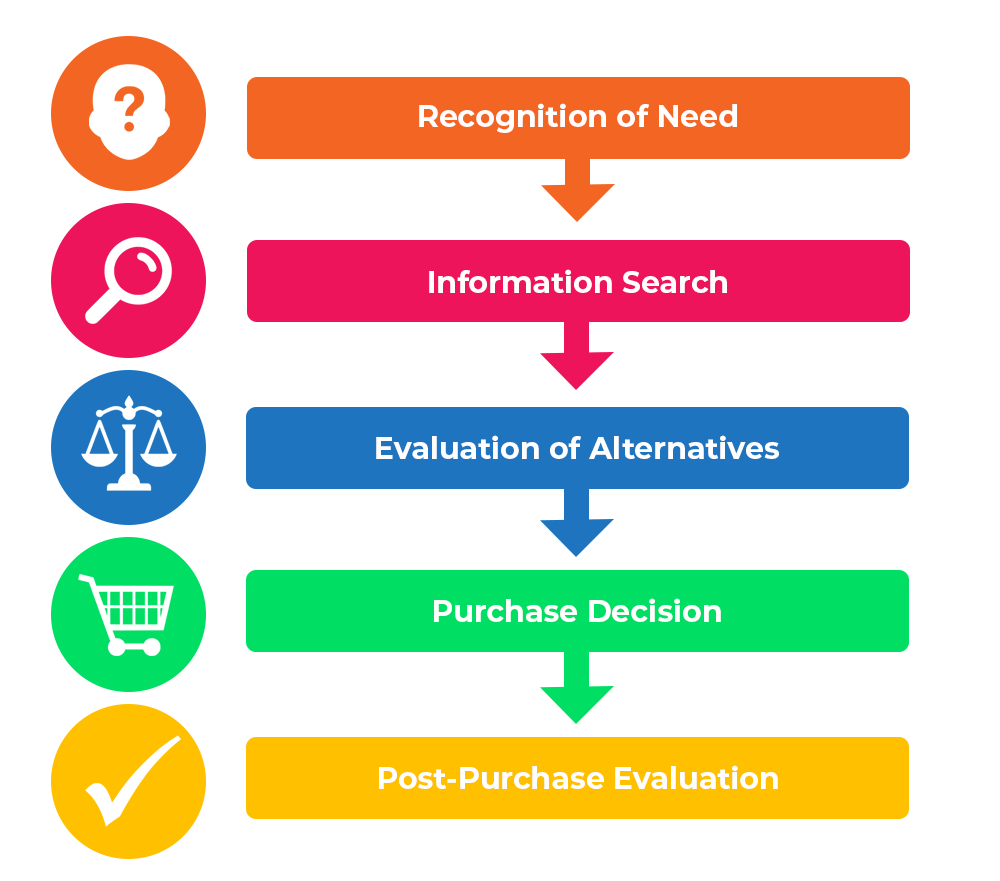
The decision-making process is a logical way to make good choices as a consumer. It can be broken down into 8 steps:
| Step | Example |
|---|---|
| 1. Identify the problem and the goal | Problem: Liam needs extra money for college. → Goal: Find a suitable part-time job. |
| 2. Research and collect information | • Liam searches online job sites. • He asks classmates about where they work. • He visits local shops to see if they're hiring. |
| 3. List possible solutions | • Work in a café (flexible hours). • Work in a supermarket (steady shifts). |
| 4. Weigh up the pros and cons | • Café: friendly atmosphere, tips, but fewer hours available. • Supermarket: more hours and steady pay, but weekend shifts required. |
| 5. Talk through options with others | • Liam talks with his parents, who suggest steady pay is better during college. |
| 6. Make your choice | • Liam chooses the supermarket job. |
| 7. Take action | • Liam applies, attends an interview, and accepts the supermarket job. |
| 8. Evaluate your action | • Liam is pleased: he earns enough, manages college costs, and feels secure with regular hours. |
Why Follow This Process?
- Helps you make wise decisions.
- Avoids impulse buying.
- Ensures you weigh up all options and pick the best one for your needs and budget.