Transformations (Junior Cert Mathematics): Revision Notes
📚Revision Notes
Transformations
In geometry, a transformation is a way to change the position, size, or shape of a figure. Think of it as a way of moving or flipping a shape around on the page. There are four main types of transformations that you'll need to know about: axial symmetry, central symmetry, translation and rotation. Let's look at each one, using the diagrams provided to help you understand.
1. Axial Symmetry (Reflexion)
Axial symmetry happens when a shape is flipped over a line, like looking at yourself in a mirror. The line you flip the shape over is called the axis of symmetry.
-
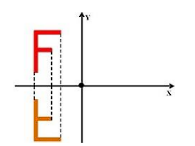
Axial Symmetry in the : Here, the shape is flipped over the (the horizontal line on the graph). Imagine folding your page along the ; the shape ends up on the other side, upside down.
-
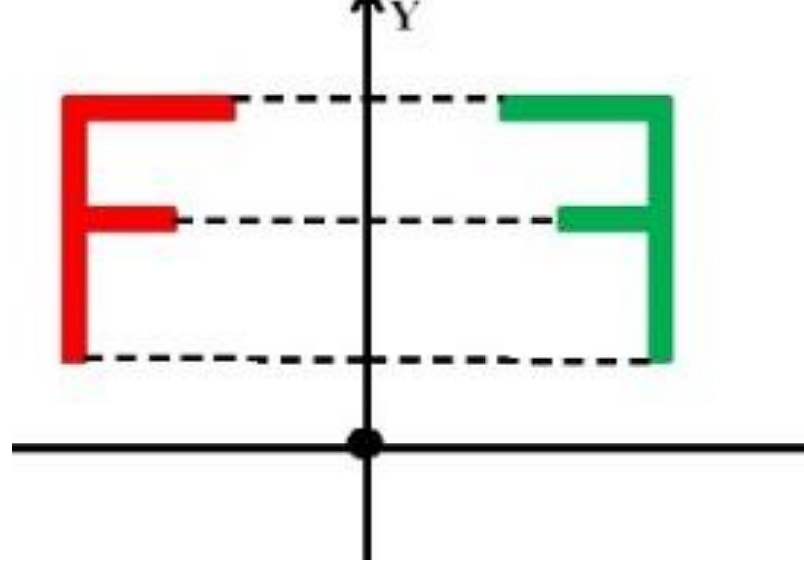
Axial Symmetry in the : In this case, the shape is flipped over the (the vertical line on the graph). It's like folding the page along the ; the shape moves to the opposite side but stays right side up.
2. Central Symmetry
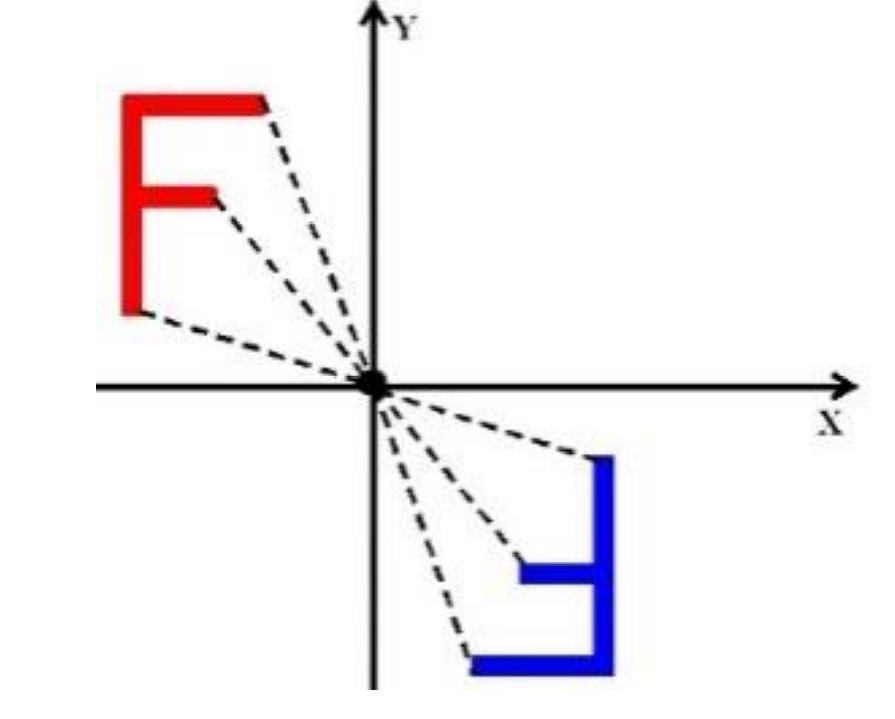
Central symmetry occurs when a shape is flipped over a point (usually the origin, where the and meet). The shape is rotated 180 degrees, which means it's turned upside down and ends up on the opposite side of the point.
- Central Symmetry in the Origin: When a shape is flipped over the origin, every part of the shape moves to the exact opposite side. For example, a point that was on the top right might end up on the bottom left.
3. Translation
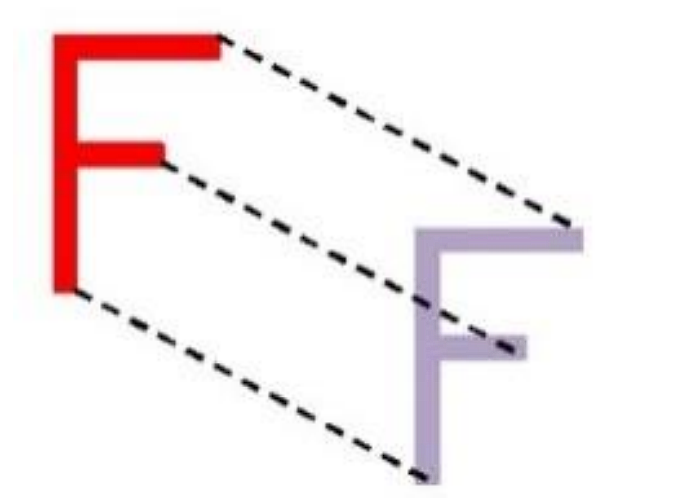
Translation is when you move a shape without rotating it or flipping it. Imagine sliding a book across a table—it's still facing the same way, just in a different place.
4. Rotation
Rotation means turning a shape around a point, usually the origin. The shape stays the same, but it's turned like a wheel. Common rotations are 90 degrees, 180 degrees, and 270 degrees.
- 90° Rotation: If you turn the shape 90 degrees, it moves to a new position as if you've turned it a quarter turn.
- 180° Rotation: This is like central symmetry. The shape is turned halfway around, so it ends up upside down.
- 270° Rotation: This is a three-quarter turn, so the shape moves to a position as if you turned it 270 degrees.
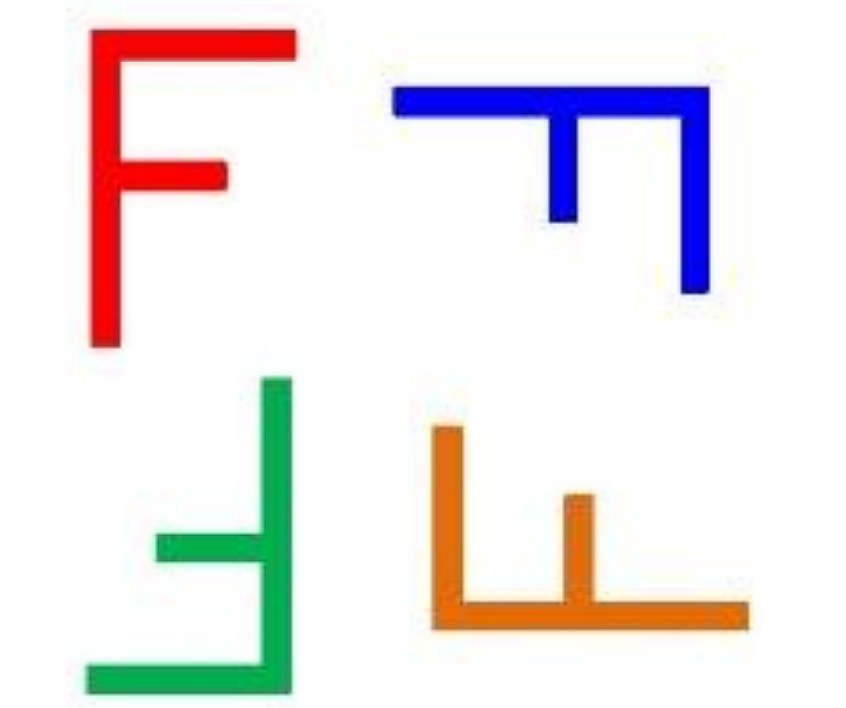
How to Recognise These Transformations
When you look at a shape and wonder what transformation has happened, here are some clues:
- If the shape looks like it's been flipped over a line, that's a reflexion (axial symmetry).
- If the shape is flipped over a point and is upside down, it's central symmetry.
- If the shape has just moved to another spot without flipping, it's a translation.
- If the shape has been turned like a wheel, it's a rotation. Understanding these transformations is key to solving many geometry problems and will help you feel more confident when tackling this topic in your maths exam.