Natural Defects (Junior Cert Wood Technology): Revision Notes
📚Revision Notes
Natural Defects in Wood
Introduction to Natural Defects
- Natural defects in wood happen due to tree growth and internal pressures.
- These defects result from changes in growth and stress within the tree.
Types of Natural Defects
Natural defects affect timber quality and usage. Key examples are:
Shakes
- Definition: Splits or cracks in wood, forming due to growth tensions.
- Heart Shakes: Occur at the tree's centre when internal pressures are released after cutting.
Important
Diagram: 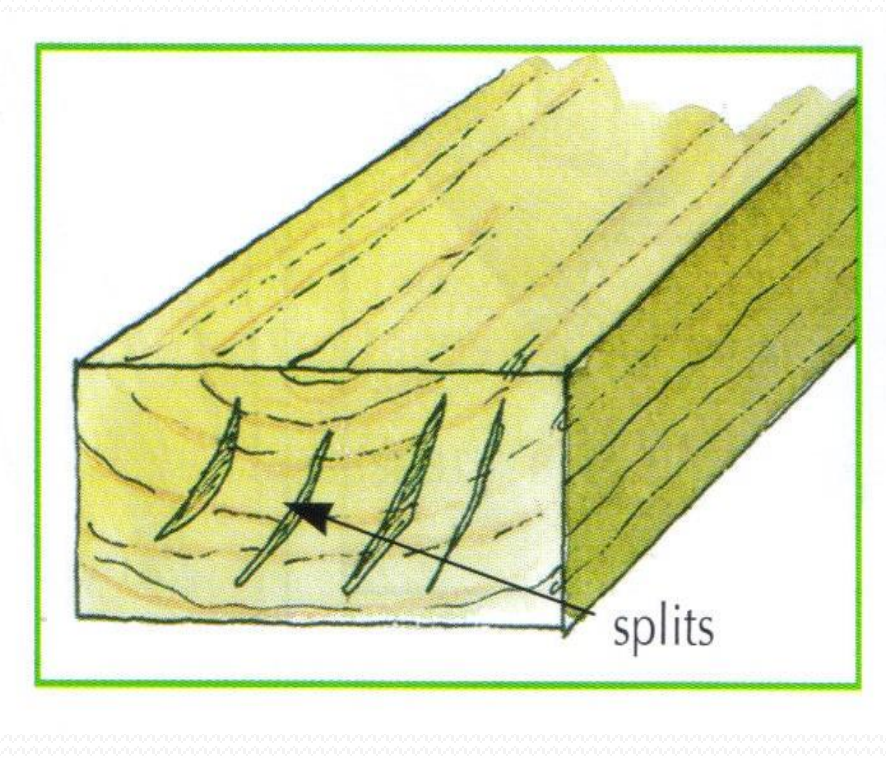
Knots
- Definition: Knots form where branches grow from the trunk, appearing as circular areas.
- They can lessen timber strength but may be decorative.
Note
Diagram: 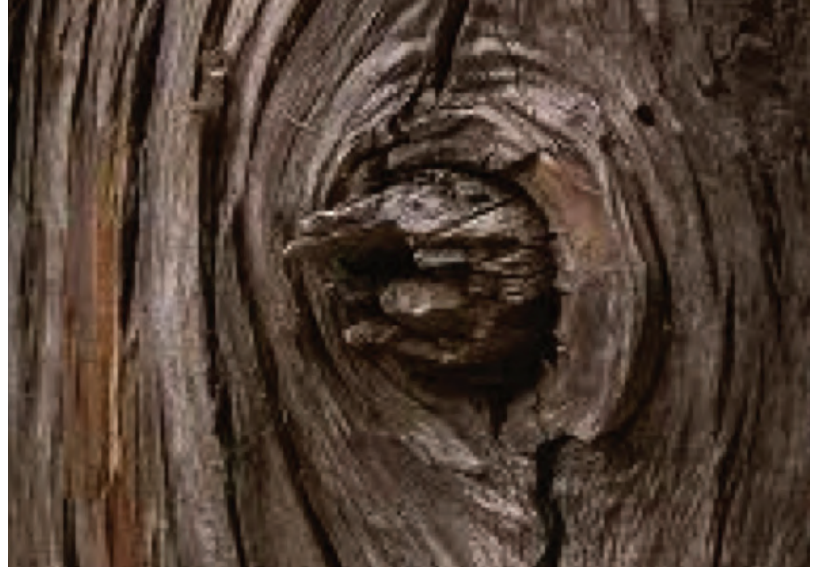
Additional Examples
- Grain Variations and Pitch Pockets: Include irregular patterns and resin build-ups that affect machining and finishing.
Impact on Timber Quality
- Structural Impact: Defects like shakes and many knots can weaken timber, making it less suitable for building.
- Aesthetic Impact: Some uses appreciate defects for their unique patterns.
Examples of Affected Wood
- Scots Pine: Often shows many knots, influencing both its structural and decorative uses.
Note
Summary
- Natural defects arise from tree growth and internal stresses.
- Shakes and knots are key defects affecting timber strength and look.
- Other defects, like grain variations and pitch pockets, impact wood selection and use.