Kiln Seasoning (Junior Cert Wood Technology): Revision Notes
📚Revision Notes
Kiln Seasoning
Note
Kiln seasoning is a method of drying wood in an artificial environment. It allows control of heat, humidity, and airflow, which helps reduce the wood's moisture content effectively.
Definitions
Note
- Kiln Seasoning: Drying wood in a controlled environment where you can adjust heat, air, and humidity.
- Moisture Content: The amount of water in the wood, important for its strength and use.
The Kiln Seasoning Process
The kiln seasoning has these steps:
- Pre-heating: Wood is slowly heated to evenly increase its temperature without drying it yet.
- Drying Phase: Hot air removes water from the wood. The air's heat and moisture levels are carefully controlled.
- Temperatures range from 40°C to 70°C.
- Moisture targets can drop to 6-10%, depending on the wood's use.
- Conditioning Phase: Helps distribute moisture evenly in the wood, preventing problems.
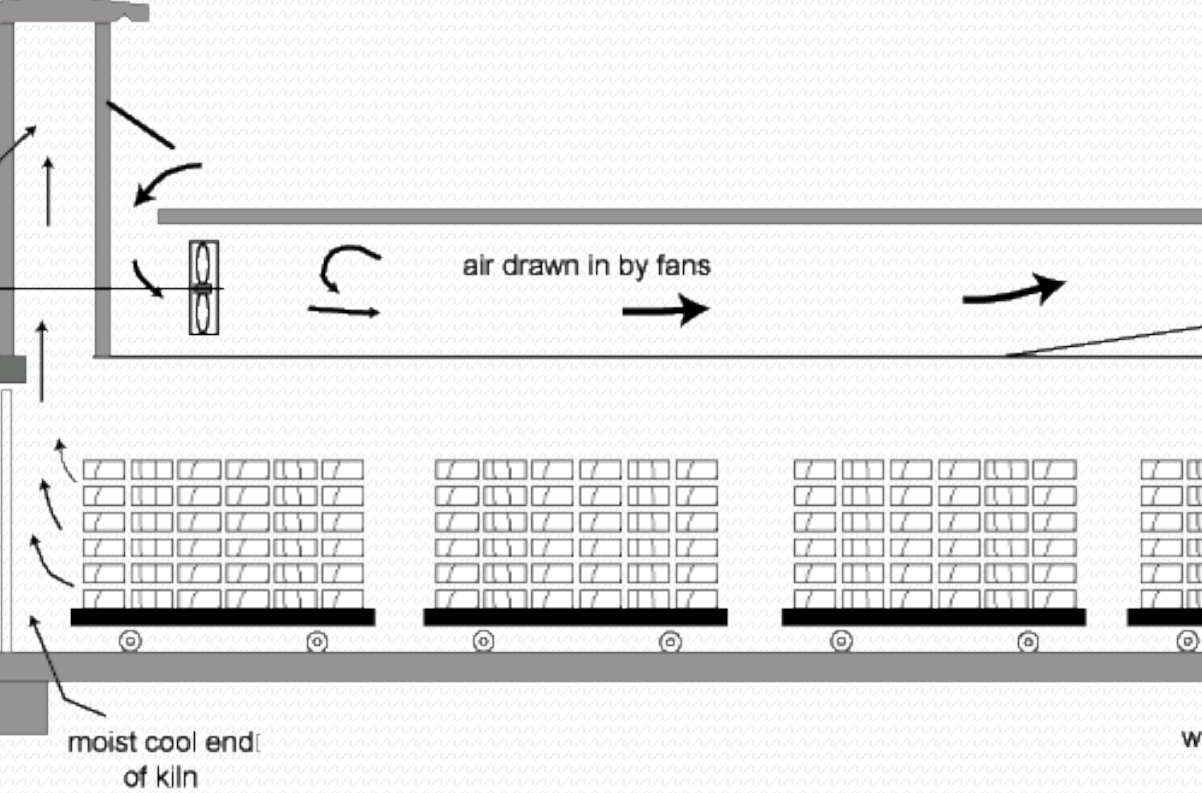
Mechanisms in a Kiln
Important parts include:
- Hot Air Circulation: Heats the wood quickly.
- Fans: Spread air evenly to dry the wood uniformly.
- Steam Injectors: Make fibres softer to prevent drying issues.
- Vents: Let out wet air and bring in dry air.
Advantages of Kiln Seasoning
Important
- Efficiency and Speed:
- Faster than air drying.
- Exact moisture control, tailored for specific wood uses.
| Method | Time (weeks) | Consistency |
|---|---|---|
| Kiln | 1-3 | High |
| Air-drying | 26-52 | Variable |
Disadvantages of Kiln Seasoning
Important
- Higher Costs:
- Uses a lot of energy and costs a lot to run.
- Needs Skilled Monitoring:
- Prevents problems like bending and breaking.

Types of Kilns
- Compartment Kilns:
- Dry large batches with controlled conditions for even results.
- Progressive Kilns:
- Wood goes through different zones for ongoing operation.