The Timber Industry (Junior Cert Wood Technology): Revision Notes
📚Revision Notes
Timber Industry
The timber industry is a key part of wood science, focusing on wise and sustainable resource use. It includes important practices such as using timber that is responsibly sourced and processing methods like conversion and seasoning.
Definitions
- Sustainably Sourced Timber: Wood collected to meet today's needs without harming forest health for the future.
- SFI (Sustainable Forestry Initiative): Encourages responsible forest management in North America.
- FSC (Forest Stewardship Council): Sets rules for proper forest care worldwide.
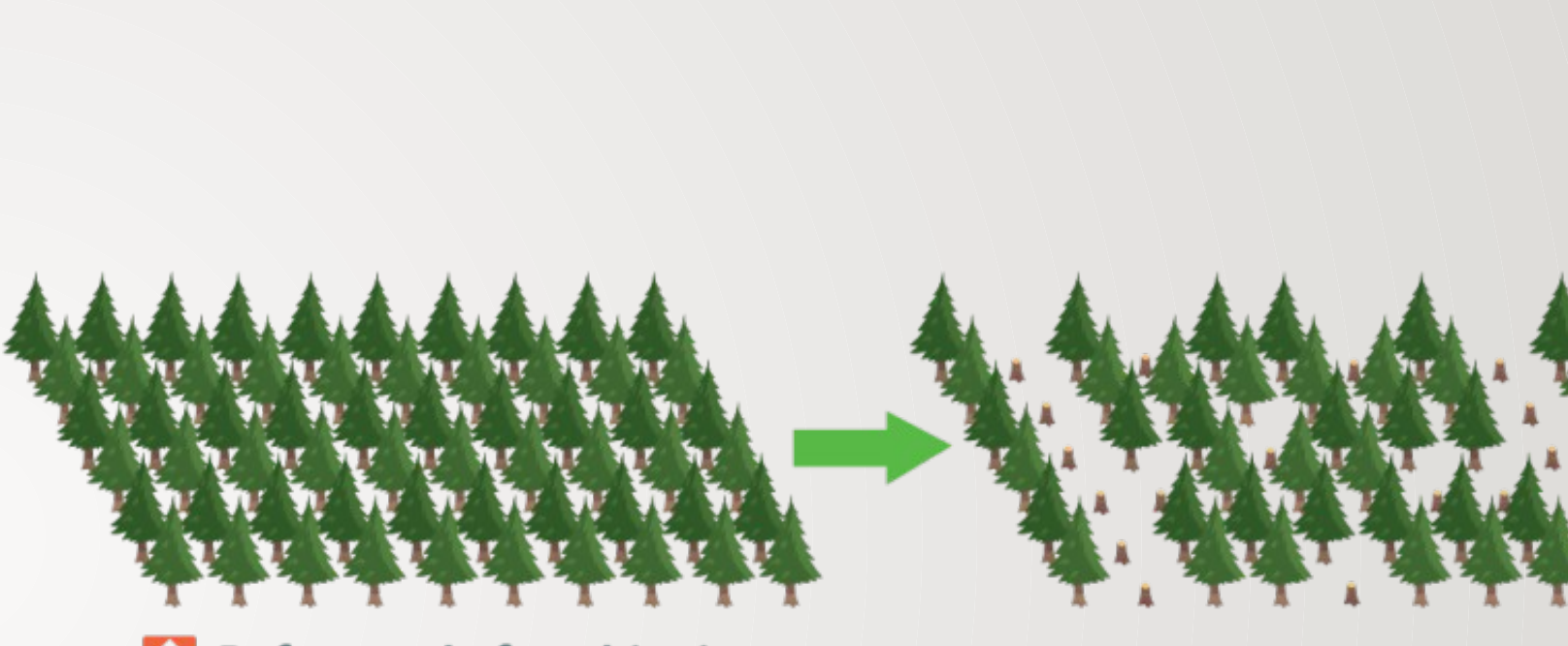
- Monoculture Forests: These grow only one type of tree, which can lower biodiversity and make them more likely to be attacked by pests.
- Green Timber: Freshly cut timber that is still wet.
- Seasoning: Drying timber to make it more useful and strong.
- Felling: Cutting down trees to get timber.
Importance of Sustainably Sourced Timber
- It protects ecosystems, supports biodiversity, and helps fight climate change.
- Programmes like SFI and FSC ensure forests are managed sustainably, balancing the environment and the economy.
Monoculture Forests
Important
- Used for commercial timber, but can harm biodiversity and make forests more open to pests.
- Can lead to species loss and changes in ecosystems.
Green Timber and Seasoning
Note
- Seasoning brings down moisture in green timber. It helps stop warping and decay and makes the wood easier to work with.
- Dry timber is more durable.

Seasoning Process
- Natural/Air Seasoning:
- Timber dries outside, taking longer but costing less and lowering fungi risks.
- Kiln Drying:
- Timber dries fast in controlled settings, boosting durability.
- Seasoned timber is stronger and resists pests and fungi better.
Felling Process and Utilisation
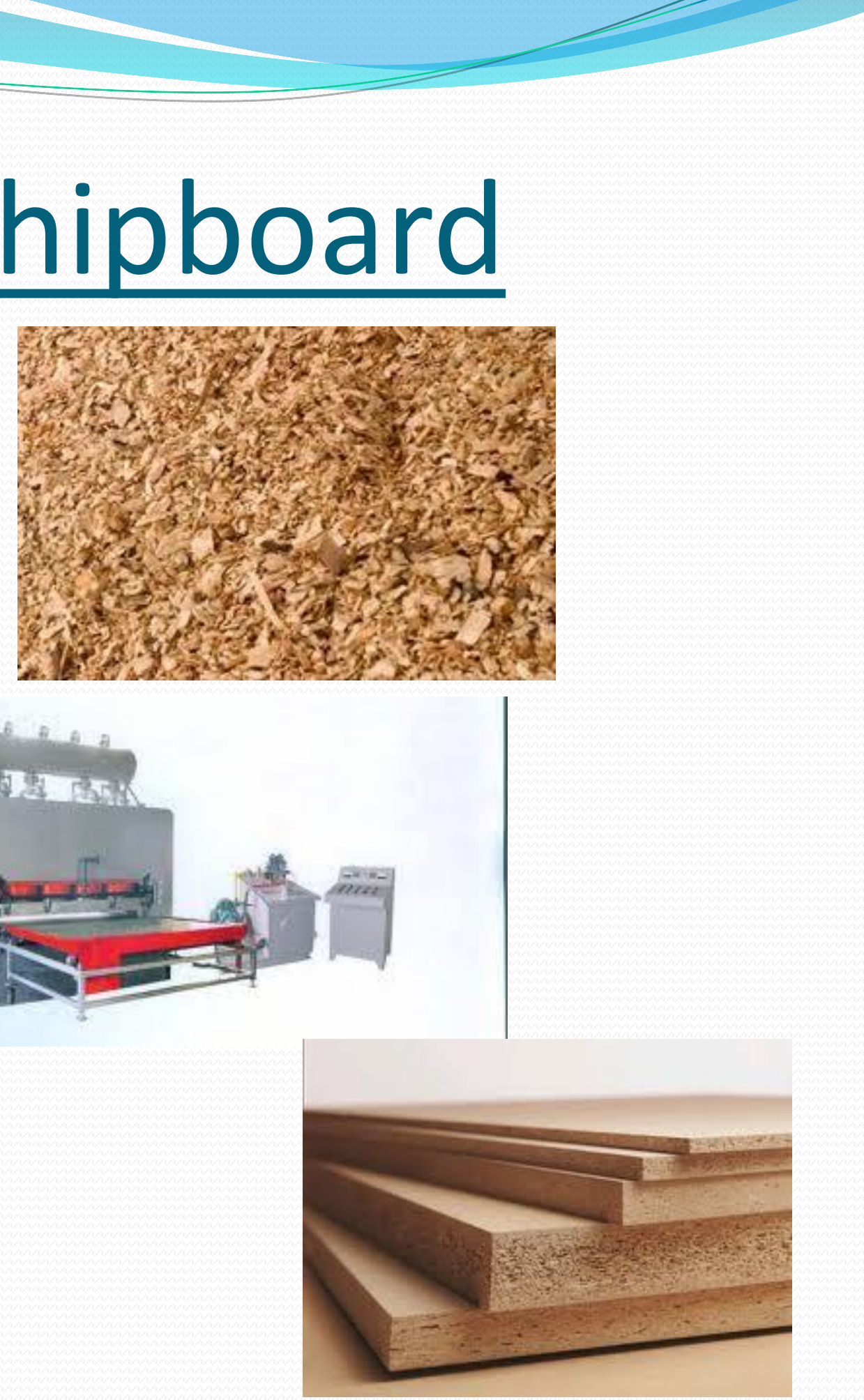
- Felling involves cutting trees and creating products like particle boards, paper, and mulch to use resources fully.
Conversion of Timber
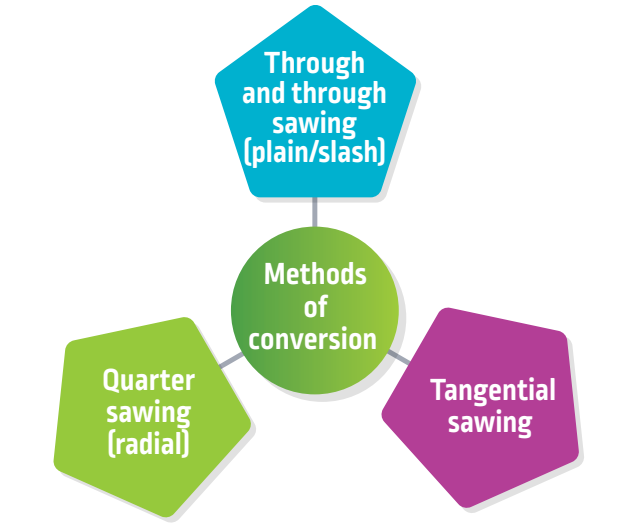
- Through and Through Sawing: Economically makes wide planks for general purposes.
- Quarter Sawing: Produces stable, high-quality planks suitable for furniture and decoration.
- Tangential Sawing: Generates attractive grain patterns, fitting for decorative planks.
Note
Summary
- Responsible timber use aids in protecting ecosystems and boosts economic growth.
- Monoculture forests reduce biodiversity and lead to environmental challenges.
- Seasoning enhances timber usability and lifespan, with different sawing methods fit for specific uses.