Genetics (Leaving Cert Agricultural Science): Revision Notes
📚Revision Notes
Genetics
Introduction to genetics in animal physiology
Genetics forms the foundation of understanding how traits are passed from parent animals to their offspring. In animal physiology, genetic principles explain the inheritance of important characteristics such as growth rate, milk production, fertility, and disease resistance. For agricultural science students, understanding genetics is crucial because farmers rely on these principles to improve their livestock through selective breeding programmes that enhance productivity and profitability.
The study of genetics helps us understand why some animals perform better than others and how we can predict the likely performance of future generations. This knowledge allows farmers to make informed decisions about which animals to breed together to achieve desired outcomes in their herds or flocks.
Note
Understanding genetic principles is essential for modern agriculture as it enables farmers to make data-driven breeding decisions rather than relying solely on visual assessment or guesswork.
Fundamental genetic concepts
Basic genetic terminology
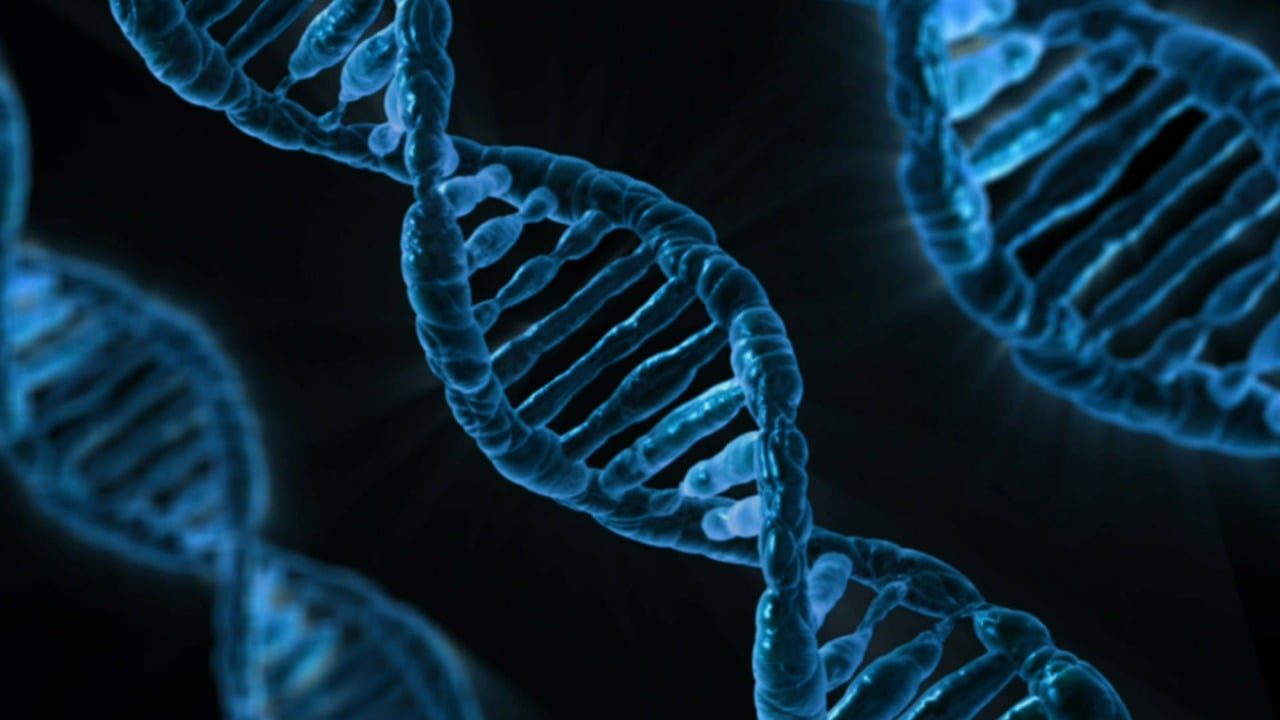
DNA (Deoxyribonucleic Acid) serves as the blueprint of life, carrying all hereditary information within every cell of an animal's body. This genetic material contains the instructions needed to build and maintain the organism.
Chromosomes are organised structures of DNA found in the cell nucleus. Different animal species have characteristic chromosome numbers - cattle possess 60 chromosomes, sheep have 54, pigs contain 38, and chickens carry 78 chromosomes. These chromosomes come in pairs, with one chromosome from each parent.
Genes represent specific units of inheritance that code for particular traits. Each gene occupies a fixed location on a chromosome and determines characteristics such as coat colour, horn presence, or milk yield potential.
Alleles are different versions or forms of the same gene. For example, a gene controlling coat colour might have alleles for black, brown, or white coats. Animals inherit one allele from each parent for every gene.
Note
Think of genes as the "address" on a chromosome, while alleles are the different "occupants" that can live at that address. Each animal has two alleles for every gene - one inherited from each parent.
Genotype versus phenotype
The genotype refers to an animal's complete genetic makeup - the actual combination of alleles present in its DNA. This genetic constitution remains constant throughout the animal's life and determines its genetic potential.
The phenotype represents the observable traits that an animal displays, such as its physical appearance, behaviour, or performance characteristics. The phenotype results from the interaction between an animal's genotype and environmental factors such as nutrition, management, and climate conditions.
Important
Understanding this distinction helps explain why animals with similar genetics might perform differently under various management conditions, and why environmental improvements can help animals reach their genetic potential.
Inheritance patterns
Dominant alleles are expressed whenever they are present in the genotype. These alleles mask the expression of their recessive counterparts and are typically represented by capital letters (e.g., A).
Recessive alleles are only expressed when present in pairs (homozygous condition). They are represented by lowercase letters (e.g., a) and remain hidden when paired with dominant alleles.
Homozygous individuals carry identical alleles for a particular gene (AA or aa), whilst heterozygous individuals possess different alleles for the same gene (Aa).

Mendel's laws of inheritance
Law of segregation
Gregor Mendel's first law states that alleles separate during gamete (sex cell) formation, ensuring that each egg or sperm receives only one allele for each gene. When fertilisation occurs, the offspring receives one allele from each parent, restoring the paired condition.
This principle explains the predictable ratios observed in breeding experiments. In a monohybrid cross (involving one trait), the F₂ generation typically shows a 3:1 ratio of dominant to recessive phenotypes.
Example
Worked Example: Monohybrid Cross
Let's consider coat colour in cattle where black (B) is dominant over red (b):
- Parent cross: Bb × Bb (both heterozygous black)
- F₁ gametes: B or b from each parent
- F₂ offspring: BB, Bb, Bb, bb
- Result: 3 black : 1 red ratio (75% black, 25% red)
Law of independent assortment
Mendel's second law explains that different traits are inherited independently of each other, provided the genes controlling these traits are located on different chromosomes. This principle allows for new combinations of traits to appear in offspring.
In dihybrid crosses (involving two traits), the F₂ generation displays a characteristic 9:3:3:1 ratio, demonstrating how traits can be inherited independently and recombine in various ways.
Example
Worked Example: Dihybrid Cross
Consider coat colour (B/b) and horn presence (H/h) in cattle:
- Parent cross: BbHh × BbHh
- F₂ ratio: 9 black horned : 3 black polled : 3 red horned : 1 red polled
- This demonstrates independent assortment of the two traits
Genetic principles in animal breeding
Selective breeding strategies
Selective breeding involves choosing the best-performing animals as parents for the next generation. Farmers identify animals with desirable traits such as high milk yield, rapid growth, or disease resistance, and use these animals as breeding stock whilst excluding poorer performers from breeding programmes.
Performance testing measures specific traits of interest, such as Daily Live-weight Gain (DLG) or Feed Conversion Ratio (FCR). These measurements help identify superior animals objectively rather than relying solely on visual assessment.
Progeny testing evaluates breeding animals based on the performance of their offspring. This approach is particularly valuable for traits that cannot be measured directly in the breeding animal, such as milk yield in bulls or egg production in cockerels.
Note
Performance testing provides objective data for breeding decisions, while progeny testing is especially important for sex-limited traits where the breeding animal cannot express the trait of interest.
Breeding system approaches
Crossbreeding involves mating animals from different breeds to produce hybrid offspring that often exhibit hybrid vigour (heterosis). This technique combines desirable traits from multiple breeds and can result in offspring that outperform both parent breeds.
Inbreeding increases homozygosity by mating closely related animals. Whilst this can fix desirable traits in a population, it also risks inbreeding depression, where offspring may show reduced performance, fertility, or health.
Outbreeding maintains genetic diversity by mating unrelated animals within a breed or introducing animals from other populations. This approach helps preserve genetic variation and reduces the risk of inbreeding depression.
Important
Common Mistake: Many farmers avoid inbreeding completely, but controlled inbreeding can be useful for fixing desirable traits. The key is to balance inbreeding with outbreeding to maintain genetic diversity whilst improving specific traits.
Variability, mutation and complex traits
Sources of genetic variation
Genetic variation arises from several sources that are essential for successful breeding programmes. Recombination during sexual reproduction creates new combinations of existing alleles, generating genetic diversity among offspring even from the same parents.
Mutations represent random changes in DNA sequence that can introduce entirely new alleles into a population. These genetic changes can be beneficial (improving performance), harmful (reducing fitness), or neutral (having no observable effect).
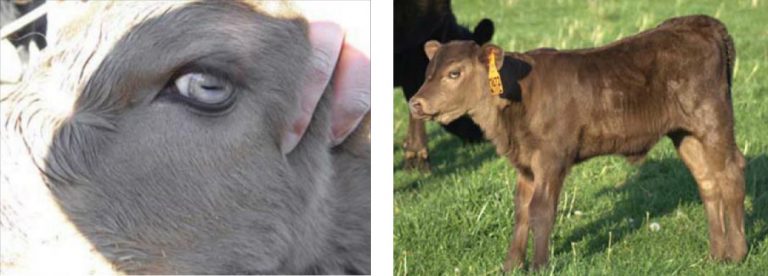
Environmental factors also contribute to phenotypic variation by influencing how genes are expressed, though these environmental effects are not inherited by the next generation.
Note
While mutations provide the ultimate source of genetic variation, recombination during sexual reproduction is the primary mechanism that creates genetic diversity in each generation of breeding animals.
Types of traits
Quantitative (polygenic) traits are controlled by multiple genes and show continuous variation, such as milk yield, body weight, or growth rate. These economically important traits are influenced by many genes, each contributing a small effect to the overall phenotype.
Qualitative (monogenic) traits are controlled by single genes and show distinct categories rather than continuous variation. Examples include coat colour, presence or absence of horns, and some disease resistance traits.
Understanding these different types of inheritance patterns helps farmers develop appropriate breeding strategies for different characteristics they wish to improve in their livestock.
Important
Most economically important traits in livestock are quantitative traits controlled by many genes. This means improvement requires sustained selection over multiple generations rather than expecting dramatic changes in a single generation.
Modern applications in animal genetics
Advanced reproductive technologies
Artificial Insemination (AI) allows farmers to spread elite genes rapidly throughout their herds by using semen from superior bulls. This technique has revolutionised cattle breeding by making high-quality genetics available to farmers worldwide.
Embryo Transfer (ET) increases the number of offspring that can be obtained from outstanding females. Multiple embryos from elite cows can be implanted into recipient mothers, dramatically increasing the reproductive output of valuable animals.
Note
AI and ET technologies have accelerated genetic progress by allowing the best animals to have many more offspring than would be possible through natural mating systems.
Genomic technologies
Genomic selection uses DNA tests to predict an animal's breeding value based on genetic markers distributed throughout its genome. This technology allows early identification of superior animals before they reach reproductive maturity or demonstrate their performance.
Cloning produces genetically identical animals, though this technology remains limited due to technical challenges and ethical considerations. Successful cloning has been achieved in various farm animal species but is not yet commercially viable.
Gene editing technologies such as CRISPR offer the potential to make precise changes to animal genomes, such as creating mastitis-resistant cows. However, this field remains highly regulated and faces significant ethical and practical challenges.
Note
Genomic selection has transformed modern breeding programmes by allowing breeders to make selection decisions based on DNA analysis rather than waiting for performance data, significantly reducing generation intervals.
Importance in animal physiology
Genetics underpins virtually every aspect of animal physiology and production. Growth rates, lactation capacity, fertility, wool quality, and egg production all have strong genetic components that determine an animal's potential performance.
Understanding genetic principles allows farmers to match animals to appropriate production systems and management practices. By selecting animals with genetic makeup suited to their specific farming conditions, producers can improve efficiency and profitability whilst ensuring animal welfare.
Genetic improvement is a long-term investment that provides cumulative benefits over multiple generations. Each generation of selective breeding builds upon previous improvements, creating sustained progress in livestock productivity and adaptation to changing agricultural demands.
Summary
Key Points to Remember:
-
Genetics studies heredity and variation - it explains how traits pass from parents to offspring and why animals differ in their characteristics.
-
Key inheritance patterns follow Mendel's laws - alleles separate during gamete formation and different traits are inherited independently, creating predictable ratios in crosses.
-
Modern breeding combines traditional and advanced methods - selective breeding remains fundamental, but genomic selection and reproductive technologies accelerate genetic progress.
-
Both single genes and multiple genes control traits - simple traits like coat colour follow basic inheritance patterns, whilst complex traits like milk yield involve many genes working together.
-
Genetic improvement requires long-term planning - success in livestock breeding comes from sustained selection pressure over multiple generations, building cumulative improvements in performance.