Production (Leaving Cert Agricultural Science): Revision Notes
📚Revision Notes
Dairy Farming Overview
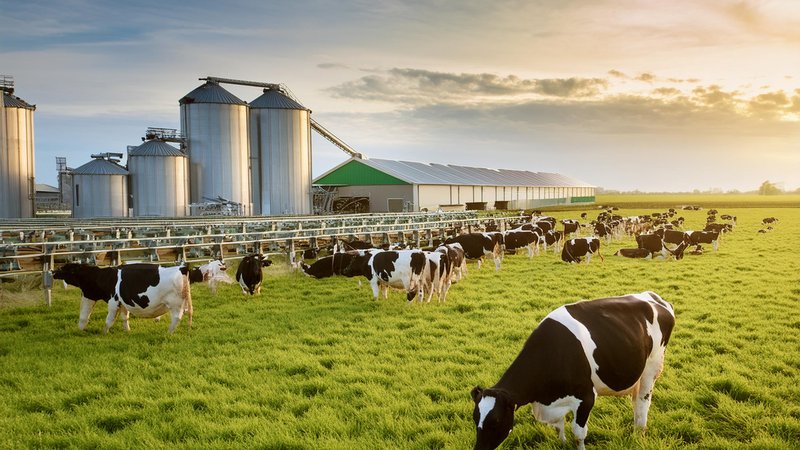
Understanding milk composition
Milk consists of several key components that determine its nutritional value and commercial worth. The main components include water (typically 87.5%), milk fat or butterfat (3.5-5%), protein (3.2-4%), lactose sugar (around 4.7%), and minerals including calcium and phosphorus (0.8%).
Note
Solids Not Fat (SNF) refers to all the solid components in milk except the fat. This includes proteins like casein, albumin and globulin, sugars such as lactose and glucose, and essential minerals like calcium and phosphorus.
The protein content varies between 3.3-4%, whilst butterfat content ranges from 3.5-5%. These percentages are crucial because they directly affect the payment farmers receive for their milk.
Factors affecting milk composition
Several important factors influence the quality and composition of milk produced by dairy cows:
Breed differences play a significant role. Jersey cows produce milk with higher fat and protein content compared to Holstein Friesian cows, although Holsteins typically produce larger volumes.
Cow age affects composition, with older cows (beyond their 4th lactation) generally producing milk with lower fat and protein percentages.
Milking intervals impact butterfat levels. Farmers typically milk twice daily, and longer intervals between milkings result in lower butterfat content. Morning milk usually contains less butterfat than evening milk when milking occurs at 7am and 5pm.
Important
Health status significantly affects quality. Mastitis reduces both fat and protein content in milk, making disease prevention crucial for maintaining milk quality and farm profitability.
Diet and nutrition influence composition considerably. High-fibre diets increase butterfat content, whilst low-fibre diets (like early spring leafy grass) reduce it. The protein and starch levels in the cow's diet directly affect milk protein content.
Genetic factors determine a cow's inherited ability to produce high-quality milk, with daughters typically inheriting these traits from their mothers.
Milk quality standards and testing
Dairy farmers must meet strict quality standards to ensure their milk is safe and suitable for processing. Clean, high-quality milk should be free from bacteria, antibiotics, dirt, cleaning chemicals, and teat dip residues. It should have low Total Bacterial Count (TBC) and Somatic Cell Count (SCC) levels.
Key quality tests performed at creameries include:
Total Bacterial Count (TBC) measures general bacterial levels and must not exceed 100,000 bacteria per ml. High levels indicate poor hygiene during milking.
Somatic Cell Count (SCC) counts white blood cells in milk, which indicate subclinical mastitis in the herd. The SCC should not exceed 400,000 cells per ml.
Note
Thermoduric Test measures heat-resistant bacteria that survive pasteurisation, which must not exceed 1,000 per ml. This test is particularly important as these bacteria can affect the shelf life of processed dairy products.
Temperature checks ensure milk is properly cooled and collected from refrigerated bulk tanks at less than 6 degrees Celsius.
Antibiotic testing (Delvo Test) ensures milk contains no antibiotic residues.
Water content should be approximately 87.5% - excess water indicates adulteration.
Sediment testing checks that milk is free from particles and properly filtered.
Milk processing and pricing systems
After collection, milk undergoes several processing treatments:
Pasteurisation extends shelf life by heating milk to 72°C for 25 seconds, then cooling rapidly to eliminate harmful micro-organisms.
Ultra Heat Treatment (UHT) involves heating milk to 141°C for 2 seconds, creating longer-lasting milk with slightly compromised taste.
Homogenisation breaks up fat globules so they remain evenly distributed throughout the milk rather than separating and floating to the surface.
Important
The ABC Pricing System determines how much farmers are paid using this formula:
Where:
- A = Value for protein set by the creamery
- B = Value for butterfat set by the creamery
- C = Processing charge covering collection and processing costs
This system rewards farmers for producing milk with high fat and protein levels rather than just volume.
Cow anatomy and milk production physiology
Understanding the cow's udder structure helps explain how milk production works. The udder attaches to the cow's abdomen through two suspensory ligaments - the lateral ligament around the outside and the central ligament dividing it lengthwise. Each half divides into quarters (forequarters and hindquarters).
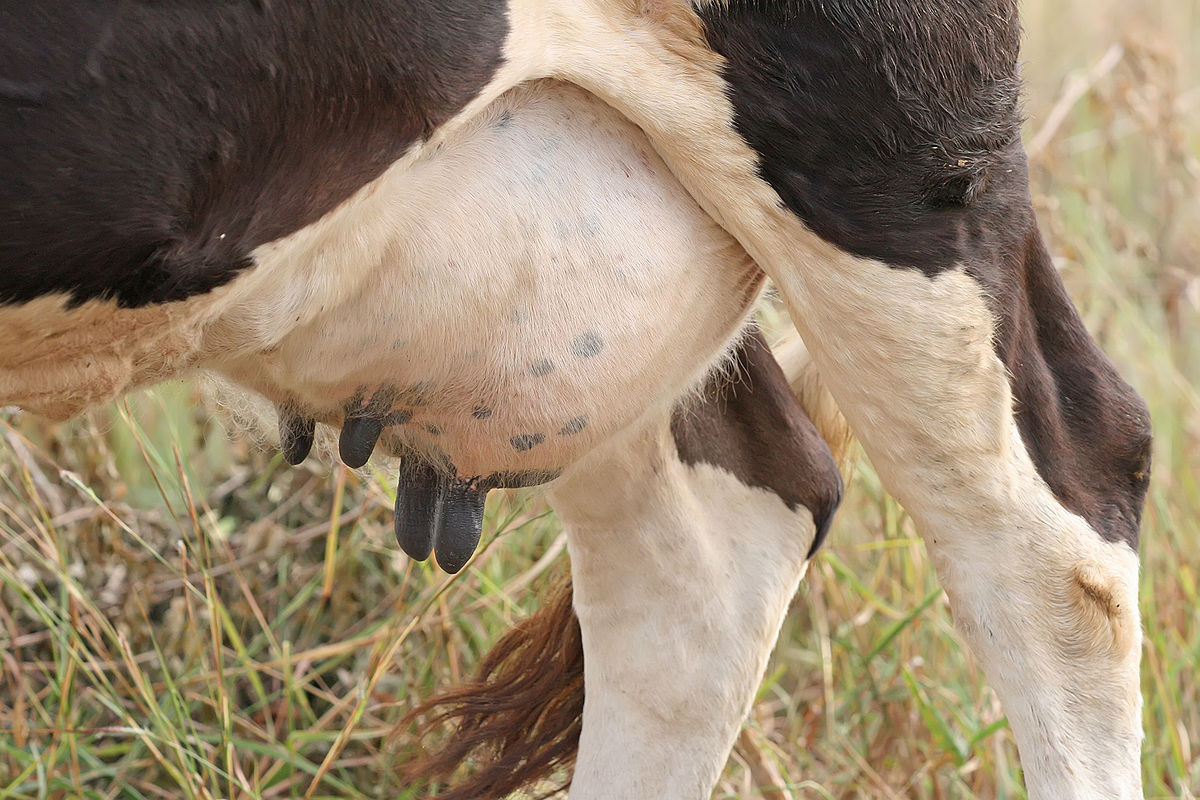
Milk production occurs in the glandular tissue of the udder. When the udder receives stimulation (through a warm wet cloth or calf suckling), nerve signals travel to the brain. The pituitary gland releases the hormone oxytocin into the bloodstream, causing muscles in the alveoli to contract and force milk into the cisterns.
Note
This process, called milk let down, lasts 3-7 minutes and is essential for successful milking. The alveoli and milk cells work on a demand system - the more frequently a cow is milked, the more milk she produces.
Cows milked three times daily produce more than those milked twice daily.
Production systems in Ireland
Irish dairy farming operates on a low-cost, grass-based system. Most farmers follow a spring calving pattern, where cows calve between February and April to coincide with grass growth.
The majority of milk produced goes for processing into cheese, butter, and milk powder rather than drinking milk. Farmers prioritise milk solids (fat and protein content) over volume, making Holstein Friesian, Friesian, and Friesian crossbred cows ideal for these systems.
Note
Many farmers cease milk production during December and January when grass isn't available. This creates a seasonal milk supply pattern. Some farmers practice winter milk production using higher-cost feeds like concentrates and silage, earning premium prices but facing increased production costs.
The dairy cow reproductive cycle
Understanding key reproductive terms is essential for successful dairy farming:
Lactation refers to the period when a cow produces milk, typically lasting 300-305 days after calving.
Gestation is the pregnancy period, lasting approximately 283 days.
Dry Period occurs after lactation ends, lasting 60-65 days. During this crucial period:
- Milk cells regenerate
- The cow recovers body condition before the next calving
- Colostrum production begins
- Energy diverts to calf development in the final two months
- Steaming up (intensive feeding) occurs in the last 6 weeks
Important
Oestrus Cycle occurs every 21 days until pregnancy. Cows show heat for approximately 24 hours, during which they stand still for mounting and may mount other cows.
Calving Interval represents the time between calvings, ideally maintained at 365 days. Longer intervals reduce lifetime productivity and profitability, often due to missed heat detection.
Heat detection and breeding management
Successful breeding depends on accurate heat detection. The primary method involves observing mounting behaviour, though farmers also use tail painting - applying paint over the tailhead that gets disturbed when the cow is mounted.
Important
The AM/PM rule guides breeding timing: cows showing heat in the morning receive artificial insemination in the evening, whilst those showing heat in the evening get inseminated the next morning.
Modern technology includes heat detection devices attached to cows' legs or necks, measuring increased activity levels during heat periods. Some farmers use vasectomised bulls or hormone treatments (progesterone) for heat synchronisation, particularly with heifers and late-calving cows.
Managing cows through the lactation cycle
The lactation curve shows how milk production changes over time, peaking around day 75 and gradually declining thereafter.

Peak yield significantly influences total lactation production, making early lactation management crucial.
Example
Formula for Estimating Total Lactation Yield:
For example, if a cow reaches a peak yield of 25 litres per day: litres estimated total lactation yield
Early lactation (Days 1-150)
After calving, cows need immediate access to high-quality grazed grass. Most cows calve in February or March when farmers ensure grass availability in their paddocks. Alongside grass, cows receive 4-5 kg of concentrates in the milking parlour containing calcium magnesium to prevent grass tetany and bloat from lush spring grass.
Note
Early lactation feeding aims to:
- Minimise energy deficit after calving (cows "milk off their back" by using body reserves)
- Ensure peak lactation yield achievement
- Maintain optimal body condition (score 3.5) for successful mating
When outdoor grazing isn't possible, cows receive ad-lib 70% DMD silage and 6-7 kg concentrates daily.
Mid lactation (Days 150-225)
Milk yield begins dropping whilst the cow becomes pregnant. The growing calf develops slowly initially, so nutritional demands decrease and grazed grass alone typically meets requirements.
Late lactation (Days 225-300)
Milk production continues declining as cows should remain on grass when available. By November, housing may be necessary with silage and concentrate feeding as ground conditions deteriorate to prevent poaching.
Dry period management
Farmers typically dry off cows abruptly, stopping milking and using dry cow tubes to seal teats and prevent mastitis. The dry period corresponds to the final two pregnancy months when calf growth accelerates.
Note
Optimal condition cows (score 3.5) receive ad-lib 70% DMD silage for the first 2-3 weeks, then during the final 6 weeks, steaming up begins with ad-lib 70% DMD silage plus 5 kg concentrates daily to ensure adequate calf development and next lactation milk production.
Grassland management strategies
Grass budgeting
Many dairy farmers implement grass budgeting - weekly assessment of paddock grass quantities to plan grassland management effectively. This involves measuring grass amounts by cutting and weighing samples or using plate metres.
Farmers calculate herd demand, assess current grass availability, and determine growth rates. This information guides decisions about applying fertiliser, adjusting grazing areas, or making silage from surplus grass.
Spring rotation planning
The spring rotation planner divides farms into weekly grazing portions, calculating when animals can access fields based on grass growth rates. Key data needed includes turnout date and estimated grass supply date ("Magic Day").
Pasture wedge analysis

Note
The pasture wedge provides a visual representation of grass availability across all paddocks. Fields rank from highest to lowest grass yields, creating a stair-step pattern. A line superimposed on the graph shows intended herd demand - paddocks below the line indicate lower yields than planned, whilst those above suggest surplus grass.
This analysis helps forecast grass shortages or surpluses, enabling proactive management decisions about fertiliser application or silage making.
Calving management and newborn care
Most cows calve naturally without intervention, though veterinary assistance may sometimes be necessary.
Important
Calving management priorities include:
- Selecting easy-calving bulls, especially for heifers
- Maintaining proper records for supervision planning
- Ensuring adequate steaming up (overfeeding causes calving difficulties)
- Isolating cows in calving boxes 1-2 days before expected calving
- Having experienced personnel available with veterinary contact information
- Ensuring proper hygiene protocols
- Providing sufficient calcium to prevent milk fever
Newborn calf care involves removing membranes from nose and mouth, ensuring clear airways, rubbing down with towels or straw, and treating the navel with iodine. Though separation occurs, allowing calves to suckle initially helps them receive vital colostrum.
Colostrum importance
Note
Colostrum provides essential benefits for newborn calves:
- Contains antibodies for disease protection
- Acts as a natural laxative, clearing the digestive system
- Provides warmth for temperature regulation
- Supplies extremely high nutrient concentrations
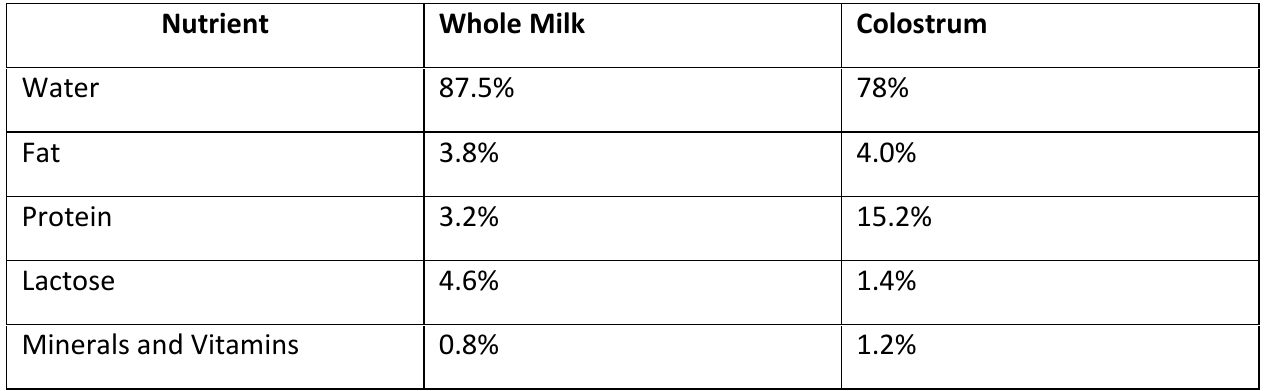
Comparing colostrum to regular milk shows dramatically higher protein content (15.2% vs 3.2%) and increased mineral levels, whilst lactose content drops significantly (1.4% vs 4.6%).
After calving, cows should pass the placenta naturally. Retained placentas cause uterine infections, infertility problems, and ketosis, often resulting from inadequate feeding or calving difficulties.
Breeding and replacement strategies
Dairy herds require approximately 20% annual replacement. Farmers can purchase replacement heifers or breed their own animals. Home-bred replacements should possess ideal dairy cow characteristics including wedge shape, narrow shoulders, wide hindquarters, long narrow heads and necks, and shoulder blades positioned close together.
Additional desirable traits include moderate body condition, large udders with teats pointing downward, good temperament, and high fertility.
Example
Breeding programme example:
A farmer with 100 dairy cows replacing 20% annually needs 20 new cows yearly. He mates 50% of his best cows with a dairy bull through artificial insemination, producing approximately 25 female calves. He mates 50% with a dairy bull, expecting 25 more female calves (accounting for male births, infertility, and mortality). The remaining cows mate with a beef bull to maximise calf value for beef production.
Crossbreeding advantages
Many farmers crossbreed Holstein Friesian cows with Jersey, Norwegian Red, or Swedish Red breeds to achieve hybrid vigour benefits. These crosses offer better fertility, increased longevity, higher milk solids production, and smaller cow sizes better suited to grass-based systems.
Calf rearing from birth to weaning
Target weights and feeding schedule
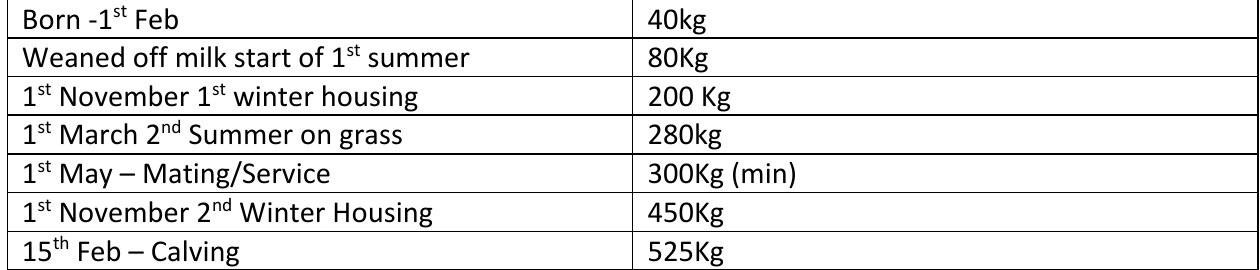
Newborn management (Birth): Calves weigh approximately 40kg and require colostrum within 12 hours. Feed 10% of body weight in two separate feeds (two 2-litre feeds).
Note
Early feeding (Weeks 1-8): Gradually transition from colostrum to normal milk, then slowly introduce milk replacer by mixing with regular milk. Provide 4-5 litres of milk replacer over 6-8 weeks alongside fresh hay for rumen development.
Concentrate introduction (Week 1 onwards): Start with handful quantities, building gradually to 1-2kg daily. Concentrates should be sweet and palatable to encourage consumption.
Weaning transition (6-8 weeks): When calves consume hay and 1-2kg concentrates successfully, weaning from milk begins. Target doubling of birth weight to 80kg at weaning with daily liveweight gains of 1kg.
First summer grazing (April-November)
Initial grazing management: Gradually reduce concentrates over the first two weeks to allow rumen adjustment to grass-only diets. Use leader-follower grazing systems with fresh, leafy, parasite-free grass.
Important
Health management: Control parasites through leader-follower grazing and dosing protocols. Main concerns include stomach worms, lung worms, and liver fluke.
Housing preparation: Reintroduce concentrates during the final two weeks before November housing at target weights of 200kg with daily gains of 0.5kg.
Replacement heifer development
Young female cattle destined for breeding require careful management to achieve target weights and condition scores:
- 15 months: Minimum 300kg for successful mating/service
- 24 months (calving): Target 525kg at calving
Heifers reach puberty at 8-12 months but shouldn't mate until at least 15 months old and 300kg to avoid calving difficulties. Proper development ensures heifers calve at 2 years old, matching the farm's production timeline.
Note
After calving, heifers join the main milking herd but require feeding for growth, maintenance, and milk production. Inadequate nutrition during their first lactation compromises lifetime productivity potential.
Summary
Summary
Key Points to Remember:
-
Milk composition depends on breed, age, milking interval, health, diet, and genetics - with typical values of 87.5% water, 3.8% fat, 3.2% protein, and 4.6% lactose
-
ABC pricing system rewards quality over quantity using the formula (A \times \text{Protein %} + B \times \text{Butterfat %}) - C, encouraging farmers to focus on milk solids production
-
Lactation curve peaks around day 75, and peak yield × 200 estimates total lactation yield, making early lactation feeding crucial for annual productivity
-
The dairy cow cycle requires understanding key periods: 300-day lactation, 283-day gestation, 60-day dry period, and 365-day calving interval for optimal farm profitability
-
Grass-based systems in Ireland use spring calving patterns, quality grassland management, and seasonal production to maintain low-cost, efficient dairy farming operations