Health & Safety (Leaving Cert Agricultural Science): Revision Notes
📚Revision Notes
Health & Safety
Working with farm animals presents numerous risks that require careful management to protect both workers and animals. Understanding these hazards and implementing proper safety measures is essential for successful and sustainable animal production systems.
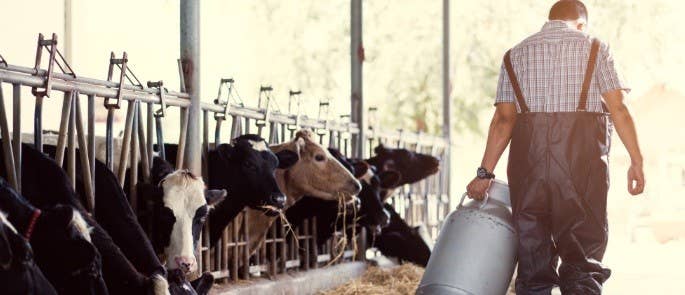
Understanding workplace hazards in animal production
Animal production environments contain various types of hazards that can cause serious harm to workers. These risks arise from direct contact with animals, exposure to biological agents, and environmental factors present in agricultural settings.
Note
Recognising these hazards is the first step in creating effective safety protocols. A systematic approach to hazard identification helps establish comprehensive safety management systems.
Types of hazards in animal production
Physical hazards
Physical hazards represent the most immediate and visible dangers in animal production systems. Large farm animals possess considerable strength and can cause severe injuries through unpredictable behaviour. Common physical risks include being kicked by cattle or horses, trampled by panicked livestock, bitten by aggressive animals, or crushed between animals and fixed structures.
Additional physical dangers arise from slippery surfaces in wet conditions, trips over equipment or uneven ground, and accidents involving machinery such as tractors, feed mixers, or milking equipment.
Important
These incidents can result in broken bones, serious injuries, or even fatalities, making physical hazard prevention a top priority in all animal production operations.
Biological hazards
Biological hazards involve the transmission of diseases from animals to humans, known as zoonotic diseases. Several serious conditions can be contracted through direct contact with infected animals or contaminated environments.
Leptospirosis is a bacterial infection transmitted through contact with infected animal urine, commonly found in cattle, pigs, and sheep. Ringworm is a fungal skin infection easily spread through direct contact with infected animals. Orf is a viral skin condition typically contracted from sheep and goats, while Salmonella represents a bacterial infection that can cause severe gastrointestinal illness.
Important
Parasites also pose significant risks, with various internal and external parasites potentially affecting human health. These biological hazards can lead to serious illness, time off work, and long-term health complications if proper precautions are not taken.
Health hazards
Health hazards in animal production environments often develop gradually and may not show immediate effects. Dust exposure from bedding materials, feed, and animal dander can cause respiratory problems including farmer's lung and asthma. Slurry gases, particularly hydrogen sulphide and methane, present serious poisoning risks and can be fatal in confined spaces.
Chemical hazards include exposure to disinfectants, veterinary medicines, and cleaning agents that can cause skin irritation, respiratory problems, or poisoning. Fatigue from long working hours and physically demanding tasks increases accident risk and affects decision-making abilities, creating additional safety concerns.
Safety controls and best practices
Effective safety management requires comprehensive approaches covering all aspects of animal production operations. These controls work together to minimise risk and create safer working environments.
Animal handling safety
Safe animal handling begins with understanding animal behaviour and using appropriate facilities. Crushes and races provide secure restraint systems that protect both animals and handlers during veterinary procedures or routine management.
Note
Never work alone with large animals, as having assistance available can prevent accidents and provide immediate help if incidents occur. Calm, confident handling techniques reduce animal stress and unpredictable behaviour.
Move slowly around animals, speak quietly, and avoid sudden movements that might startle them. Understanding each species' natural behaviour patterns helps predict their reactions and prevent dangerous situations.
Personal protective equipment
Personal Protective Equipment (PPE) forms the last line of defence against workplace hazards. Steel-toe boots protect feet from trampling and crushing injuries while providing better grip on wet surfaces. Protective gloves prevent direct skin contact with animals and contaminated surfaces, reducing disease transmission risk.
Important
Safety helmets protect against head injuries from low beams or animal contact, while respiratory protection becomes essential in dusty environments or areas with poor ventilation. Eye protection guards against splashes of chemicals or biological materials that could cause serious eye injuries.
Hygiene and disease control
Strict hygiene protocols prevent disease transmission between animals and humans. Regular hand washing with antimicrobial soap after animal contact removes potentially harmful bacteria and viruses. Disinfecting tools and equipment between uses prevents cross-contamination between different animal groups.
Note
Vaccination programmes for animals reduce disease prevalence in the herd, indirectly protecting human health. Wearing gloves when handling sick animals provides additional protection against zoonotic disease transmission.
Facility management
Well-designed and maintained facilities significantly reduce accident risk. Clean, well-ventilated buildings prevent the build-up of harmful gases and reduce respiratory hazards. Non-slip flooring materials prevent falls in wet conditions, while secure gates and barriers control animal movement and protect workers.
Note
Adequate lighting ensures workers can see potential hazards clearly, while properly designed drainage systems prevent the accumulation of contaminated water that could harbour disease organisms.
Chemical and waste safety
Secure storage of chemicals, medicines, and disinfectants prevents accidental exposure and contamination.
Important
Critical Warning: Never enter slurry tanks or poorly ventilated storage areas without proper safety equipment and backup personnel. Gases from decomposing organic matter can be fatal within minutes.
Low-emission spreading techniques reduce environmental contamination and limit exposure to harmful substances during waste management operations.
Training and awareness
Comprehensive safety training ensures all workers understand potential hazards and proper safety procedures. Regular updates on safe handling techniques, emergency procedures, and first aid skills maintain high safety standards.
Note
Clear safety signage throughout facilities reminds workers of important precautions. Emergency contact information and first aid supplies must be readily available, with all workers knowing how to access emergency services when needed.
Summary
Key Points to Remember:
-
Three main hazard types exist in animal production: physical (kicks, crushes), biological (zoonotic diseases), and health hazards (dust, gases, chemicals)
-
Personal protective equipment including steel-toe boots, gloves, helmets, and respirators provides essential protection against multiple hazards
-
Proper animal handling techniques using crushes, races, and calm approaches prevent most physical injuries from livestock
-
Hygiene protocols including hand washing, disinfection, and vaccination programmes effectively control disease transmission
-
Emergency preparedness through training, first aid availability, and clear procedures can save lives when accidents occur