Establishment (Leaving Cert Agricultural Science): Revision Notes
📚Revision Notes
Overview
Getting your crops off to the best possible start is crucial for achieving high yields and quality produce. Crop establishment involves making smart decisions about soil preparation, seed selection, and sowing techniques. Understanding these fundamentals will help you create optimal conditions for germination and early plant growth, setting the foundation for a successful harvest.
Understanding soil quality and its impact
The quality of your soil forms the backbone of successful crop establishment. Several key factors work together to create the ideal growing environment for your seeds and young plants.
Note
Soil quality assessment should consider multiple interconnected factors. A deficiency in any one area can significantly impact overall crop establishment success, making it essential to evaluate your soil holistically rather than focusing on individual characteristics in isolation.
Soil fertility is perhaps the most important consideration. Your crops need adequate levels of nitrogen (N), phosphorus (P), potassium (K), and various micronutrients to support healthy growth from germination onwards. When these nutrients are lacking, plants struggle to establish strong root systems and develop properly.
Soil structure plays a vital role in supporting plant growth. Well-structured soil with good crumb formation allows for proper drainage, adequate aeration, and easy root penetration. Compacted soils create barriers that prevent roots from spreading and accessing nutrients effectively, ultimately reducing crop yields.
The pH level of your soil significantly affects nutrient availability. Most crops thrive in slightly acidic to neutral conditions, typically preferring a pH range of 6-7. When soils become too acidic, phosphorus becomes locked up and unavailable to plants. This is why liming is often necessary to improve nutrient availability and create better growing conditions.
Organic matter content enhances multiple aspects of soil quality simultaneously. It improves soil structure by helping particles bind together, increases fertility by slowly releasing nutrients, and boosts water retention capacity. Soils rich in organic matter provide a more stable growing environment for establishing crops.
Moisture and temperature conditions must be carefully managed during establishment. Proper drainage prevents waterlogging, which can cause seed rot and poor germination rates. Meanwhile, warm soil temperatures promote faster germination and stronger early growth, giving crops the best start possible.
Preparing the seedbed for success
Effective seedbed preparation creates the ideal conditions for seed germination and early plant development. This process involves several sequential operations, each serving a specific purpose in creating optimal growing conditions.
Ploughing serves as the foundation of good seedbed preparation. This operation buries weeds and crop residues, which helps reduce competition and provides organic matter that will decompose and improve soil fertility. Ploughing also loosens compacted soil layers, allowing roots to penetrate more easily and access nutrients from deeper soil layers.
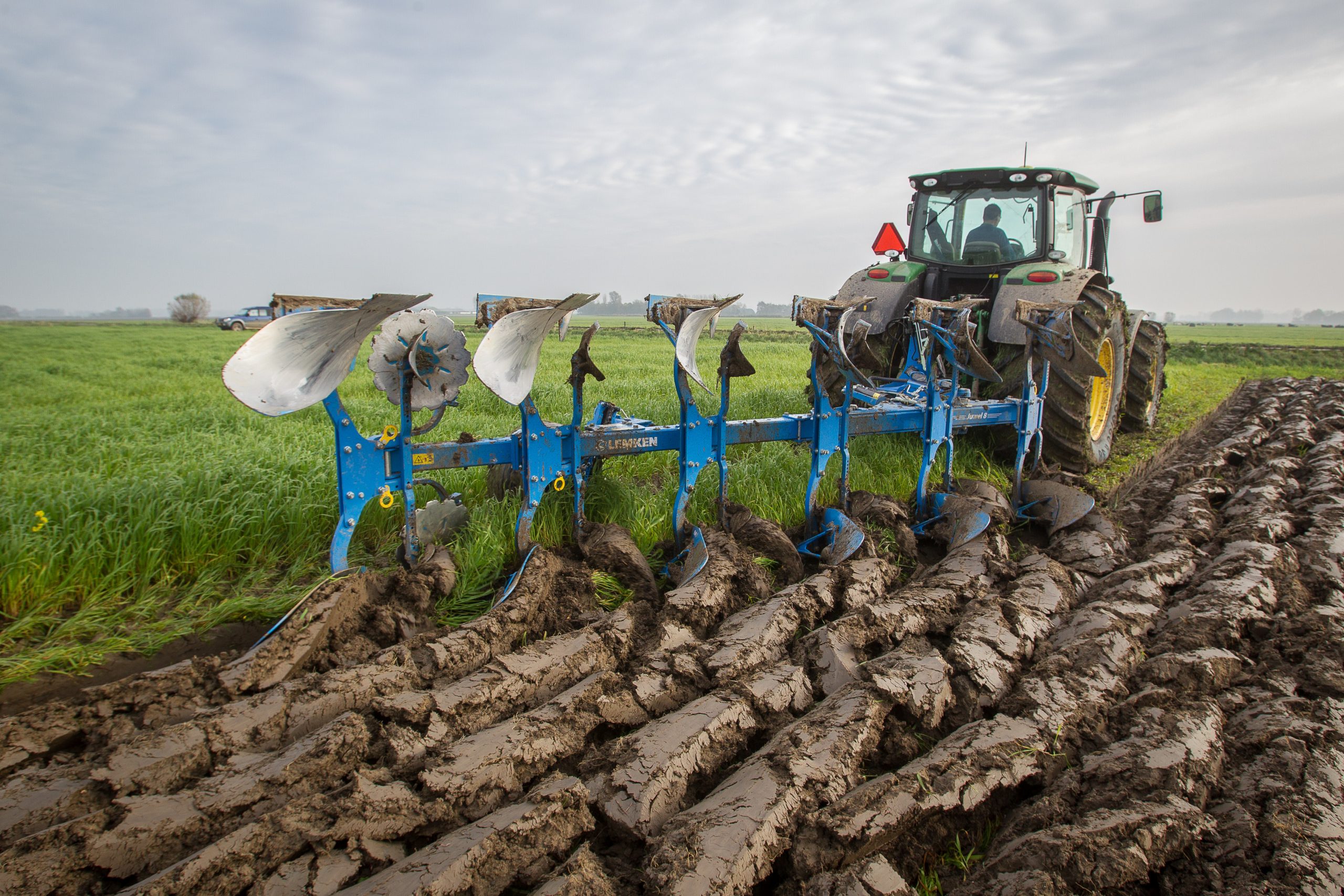
Harrowing follows ploughing and serves to break up large soil clods while creating a finer, more uniform soil structure. This operation also helps to create a level surface, which is essential for even seed distribution and consistent growing conditions across the field. A well-harrowed seedbed ensures that all seeds are planted at the same depth.
Rolling firms the soil surface after harrowing, creating better seed-to-soil contact. This close contact is crucial for moisture uptake and successful germination. Rolling also helps to create a uniform planting depth, which leads to more even emergence and stronger crop establishment.
Example
Worked Example: Seedbed Preparation Sequence
Step 1: Ploughing (Autumn or early spring)
- Bury crop residues and weeds
- Loosen compacted soil layers
- Create initial soil disturbance
Step 2: Harrowing (Spring, before sowing)
- Break up clods to 2-5cm size
- Create level, uniform surface
- Mix soil layers evenly
Step 3: Rolling (Immediately before or after sowing)
- Firm seedbed to ensure seed-soil contact
- Create consistent planting depth
- Smooth surface for even emergence
The benefits of proper seedbed preparation include uniform germination across the field, reduced weed competition, and stronger root development. However, poor preparation can lead to patchy crop emergence, increased weed problems, and uneven plant growth that reduces overall yield potential.
Selecting the right seeds for success
Seed selection forms a critical component of successful crop establishment. The quality and characteristics of your chosen seeds directly influence germination rates, plant vigour, and ultimate crop performance.
Important
Avoid the False Economy of Cheap Seeds
While it may be tempting to reduce input costs by purchasing lower-grade seeds, this decision often backfires. Poor germination rates mean replanting costs, uneven emergence creates management challenges, and lower yields ultimately cost far more than the initial savings on seed purchase.
Seed quality should be your primary consideration when purchasing seeds. High-quality seeds demonstrate germination rates above 85%, ensuring that the vast majority of planted seeds will successfully establish into healthy plants. Quality seeds are also free from weed seeds and disease organisms that could compromise crop health from the very beginning.
Variety selection requires careful consideration of multiple factors specific to your farm situation. The local climate conditions, soil type, disease and pest resistance requirements, and market demands all influence which variety will perform best. For example, in Ireland, you might choose blight-resistant potato varieties or select early versus late barley varieties based on your specific growing conditions and harvest timing requirements.
Seed certification provides important guarantees about purity and quality standards. Certified seeds have been inspected and tested to ensure they meet specific criteria for germination, genetic purity, and freedom from contaminants. This certification gives you confidence that your seeds will perform as expected and provide consistent results.
Investing in high-quality, certified seeds appropriate for your local conditions represents one of the most cost-effective decisions you can make for successful crop establishment.
Mastering sowing techniques and timing
Proper sowing practices ensure that your carefully selected seeds are placed in optimal positions for successful germination and establishment. Several key factors must be considered to achieve the best possible results.
Important
Timing is Everything in Crop Establishment
Rushing to plant in poor conditions or delaying too long can both be costly mistakes. Cold, wet soils lead to seed rot and poor emergence, while excessive delays can shorten the growing season and reduce yield potential. Always prioritise soil conditions over calendar dates.
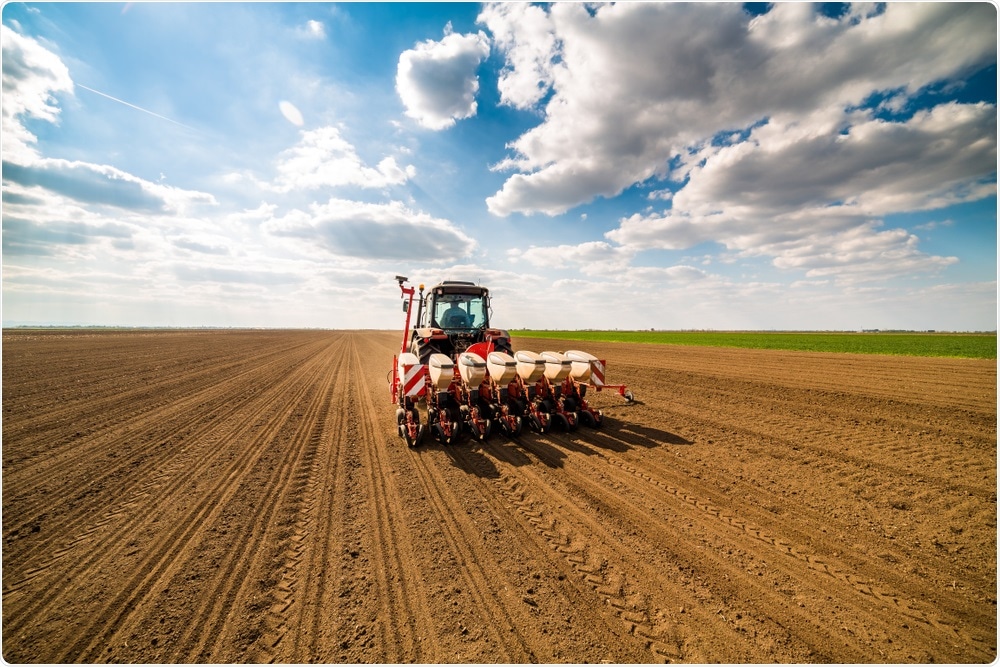
Timing your sowing operations correctly can make the difference between success and failure. Spring crops should be sown when soil temperatures have warmed sufficiently to promote rapid germination, while winter crops need to be established early enough to develop adequate root systems before cold weather arrives. Sowing too early in cold, wet conditions often leads to poor germination and seed rot.
Sowing depth requires careful attention to avoid common problems. Seeds planted too shallow may dry out or be consumed by birds before they can establish. Conversely, seeds planted too deep may lack the energy reserves to reach the surface, resulting in weak emergence and poor plant establishment.
Spacing and seed rate decisions involve balancing plant population against available resources. Overcrowding leads to intense competition between plants for nutrients, water, and light, ultimately reducing individual plant performance. Under-sowing wastes productive potential and may allow weeds to establish in the gaps between plants.
Sowing methods vary depending on crop requirements and field conditions. Broadcasting provides quick field coverage but may result in uneven distribution. Drilling offers more precise seed placement and consistent depth, while precision sowing gives the greatest control over individual seed positioning, though it requires more time and specialised equipment.
How soil factors affect productivity
Understanding how various soil characteristics influence crop performance helps you make informed management decisions that maximise productivity potential.
Note
Soil factors work synergistically to influence crop performance. Addressing multiple limiting factors simultaneously often produces better results than focusing on individual soil characteristics in isolation. Regular soil monitoring helps identify which factors need attention for optimal crop establishment.
Nutrient availability directly impacts both yield and quality outcomes. Adequate nutrition supports vigorous plant growth, while deficiencies limit productive potential regardless of other favourable conditions. Regular soil testing helps identify nutrient needs and guide fertiliser application decisions.
Drainage plays a fundamental role in determining crop success. Poor drainage leads to waterlogging, which causes root rot and creates anaerobic conditions that inhibit nutrient uptake. Effective drainage systems prevent these problems and extend the growing season by allowing earlier field operations.
Soil aeration is essential for healthy root development and beneficial microbial activity. Compacted soils restrict air movement, limiting root growth and reducing the activity of organisms that contribute to nutrient cycling and soil health.
Temperature affects both germination timing and growing season length. Soils that warm quickly in spring allow earlier planting and longer growing seasons, while cold soils delay establishment and may reduce overall productivity.
Soil texture influences multiple aspects of crop production. Sandy soils warm quickly and provide good drainage but have limited fertility and water-holding capacity. Clay soils retain nutrients and moisture well but may have drainage problems and be slower to warm in spring. Loam soils offer the ideal balance of drainage, nutrient retention, and physical properties for most crops.
Soil biology contributes significantly to overall soil health and productivity. Earthworms improve soil structure and nutrient cycling, while beneficial microorganisms help plants access nutrients and provide protection against diseases. Maintaining healthy soil biology through organic matter additions and careful management enhances long-term productivity.
Summary
Key Points to Remember:
-
Soil quality fundamentals: Ensure adequate fertility (N, P, K), maintain proper pH (6-7 for most crops), and improve structure with organic matter for strong crop establishment.
-
Seedbed preparation sequence: Follow the ploughing-harrowing-rolling sequence to create ideal conditions for uniform germination and strong root development.
-
Seed selection priorities: Choose certified, high-quality seeds (>85% germination) that are suited to your local climate, soil conditions, and market requirements.
-
Sowing precision matters: Plant at the correct depth and timing for your crop, avoiding the extremes of too shallow (drying/bird damage) or too deep (weak emergence).
-
Soil factors drive success: Good drainage, adequate aeration, proper nutrition, and healthy soil biology all contribute to maximising crop productivity and establishing strong, healthy plants.