Diseases (Leaving Cert Agricultural Science): Revision Notes
📚Revision Notes
Diseases
Disease management is a crucial aspect of successful crop production. Understanding different approaches to controlling crop diseases helps farmers protect their yields while maintaining sustainable farming practices.
Notifiable crop diseases
Note
Notifiable crop diseases are serious plant diseases that farmers must legally report to government authorities when discovered. This legal requirement exists to prevent the spread of devastating diseases that could harm entire agricultural sectors.
Why report diseases?
The main purposes of the notifiable disease system include:
- Preventing spread to other farms and regions
- Protecting trade by maintaining Ireland's reputation for healthy crops
- Allowing early control measures to be implemented quickly
Examples of notifiable diseases
Example
Common Notifiable Diseases in Ireland:
- Potato wart - affects potato crops
- Bacterial ring rot - damages potato tubers
- Fire blight - attacks fruit trees like apples and pears
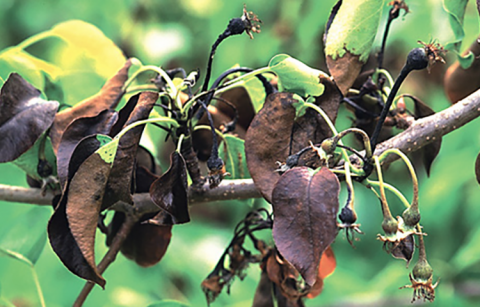
Farmer responsibilities
Important
When a notifiable disease is suspected or confirmed, farmers must:
- Report immediately to the Department of Agriculture
- Follow quarantine procedures to contain the disease
- Destroy infected plants according to official guidelines
- Clean equipment thoroughly to prevent contamination
- Use certified seed from approved sources for replanting
Chemical control of crop diseases
Chemical control involves using fungicides and other treatments to manage plant diseases. This approach can be highly effective but requires careful consideration of benefits and drawbacks.

Advantages of chemical control
Note
Chemical treatments offer several benefits:
- Reduces disease levels significantly when applied correctly
- Protects yields by preventing crop losses
- Provides both preventive and curative options (such as blight fungicides)
- Maintains reliable food supply through consistent crop protection
Limitations and concerns
However, chemical control also presents challenges:
- Pathogen resistance can develop, especially with fungicide-resistant strains
- Environmental harm to soil organisms, pollinators, and water systems
- Consumer concerns about chemical residues on food
- High costs for farmers, particularly smaller operations
Best practices for chemical use
Important
To maximise effectiveness while minimising problems:
- Apply only when necessary based on regular crop monitoring
- Rotate different chemicals to prevent resistance development
- Combine with other methods like crop rotation, resistant varieties, and good sanitation
- Follow PPE guidelines and safety procedures to protect applicators
Integrated approach to disease management
Modern disease management recognises that relying solely on chemicals is not sustainable. Instead, farmers should combine multiple strategies for long-term success.
Components of integrated management
An effective integrated approach includes:
- Crop rotation to break disease cycles
- Resistant varieties that naturally fight off diseases
- Sanitation and hygiene to remove disease sources
- Biological control using beneficial organisms
Integrated Pest Management (IPM)
Note
Integrated Pest Management (IPM) ensures sustainable crop protection by combining:
- Chemical controls when necessary
- Cultural practices like proper spacing and timing
- Biological controls such as beneficial insects or microorganisms
- Genetic approaches including resistant crop varieties
This balanced approach reduces environmental impact while maintaining effective disease control.
Remember!
Summary
Key Points to Remember:
- Notifiable diseases must be reported immediately to prevent widespread crop damage and protect trade
- Chemical control is effective but has limitations including resistance development and environmental concerns
- Integrated approaches work best by combining chemicals with cultural, biological, and genetic methods
- Regular monitoring is essential to apply treatments only when needed
- IPM provides sustainable disease management through balanced use of multiple control strategies