Sustainable Development (Leaving Cert Agricultural Science): Revision Notes
📚Revision Notes
Sustainable Development
What is sustainable development?
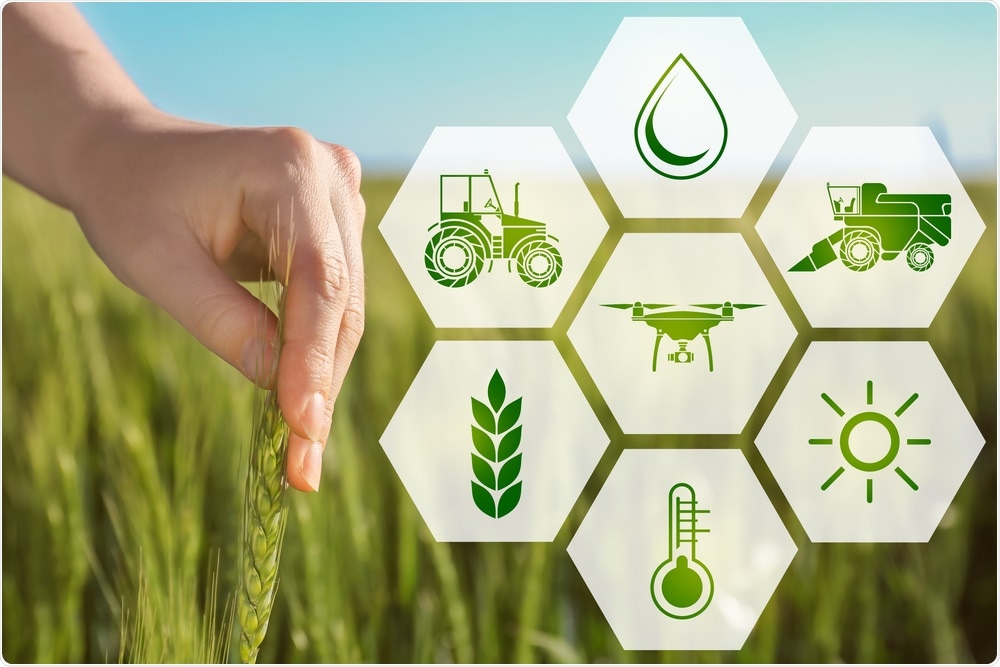
Sustainable development represents a fundamental approach to farming that seeks to meet today's agricultural needs whilst ensuring future generations can continue to farm productively. This concept involves creating a careful balance between three essential pillars: economic viability, environmental protection, and social responsibility.
Note
The three pillars of sustainable development work together like a three-legged stool - if any one pillar is weakened, the entire system becomes unstable. Successful sustainable farming requires attention to all three aspects simultaneously.
In agricultural terms, this means farmers must make decisions that not only generate sufficient income in the present but also preserve the land's productive capacity and contribute positively to society over the long term. Think of it as farming with both eyes open - one focused on immediate needs and profitability, the other looking ahead to ensure the land remains healthy and productive for decades to come.
Key implications for crop production
Soil health and fertility
Maintaining healthy soils forms the foundation of sustainable crop production. This involves implementing practices such as reduced tillage to prevent soil erosion and preserve soil structure. Crop rotations help break pest and disease cycles whilst maintaining soil nutrients naturally. Farmers also incorporate organic manures and cover crops to improve soil organic matter content and enhance biological activity within the soil ecosystem.
Important
Soil degradation can take decades or centuries to reverse, making soil conservation one of the most critical aspects of sustainable farming. Once productive topsoil is lost, it cannot easily be replaced.
Water management
Efficient water use becomes increasingly important as climate patterns change. Sustainable water management includes installing drip irrigation systems that deliver water directly to plant roots, reducing waste. Proper drainage systems prevent waterlogging whilst also helping to protect water sources from nutrient runoff, which can cause pollution in rivers and lakes.
Nutrient and pest management
Rather than applying fertilisers broadly, sustainable farming involves matching fertiliser application to specific crop needs. This reduces waste and environmental impact whilst maintaining productivity. Integrated Pest Management (IPM) combines biological, cultural, and chemical control methods. Farmers work to reduce synthetic inputs where possible and encourage natural predators whilst selecting pest-resistant crop varieties.
Example
Practical Example: IPM in Action
A farmer dealing with aphid problems might:
- First encourage ladybirds and other natural predators by maintaining hedgerows
- Use companion planting with aphid-repelling plants
- Apply targeted biological controls if needed
- Only resort to selective pesticides as a last option, choosing products that don't harm beneficial insects
Biodiversity conservation
Protecting and enhancing biodiversity on farms creates more resilient agricultural systems. This includes maintaining hedgerows and field margins that provide habitat for beneficial insects and wildlife. Farmers avoid monocultures by growing diverse crop types and diversify their cropping systems to support various species throughout the growing season.
Climate change and carbon footprint
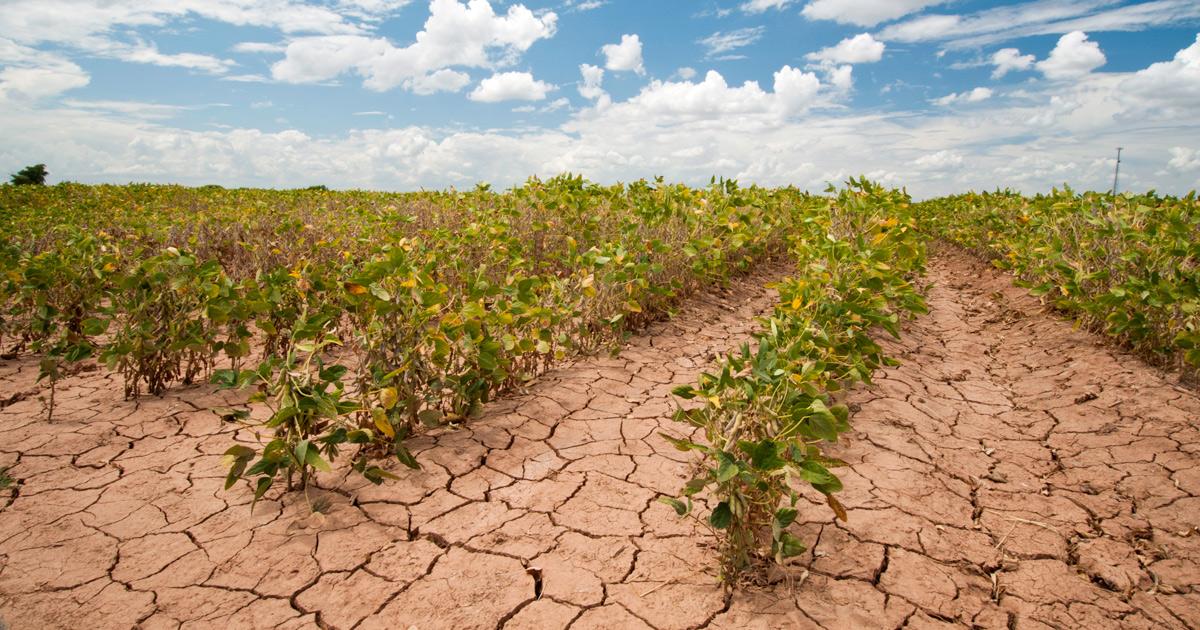
Sustainable farming practices help address climate change through carbon sequestration in soils and vegetation. Efficient fertiliser use reduces greenhouse gas emissions, whilst growing renewable energy crops can provide alternative income streams. Developing drought-resistant crop varieties helps farmers adapt to changing weather patterns.
Note
Research shows that agricultural soils can store significant amounts of carbon when managed sustainably, making farming a potential solution to climate change rather than just a contributor to the problem.
Social and economic aspects
Sustainable development ensures fair incomes for farmers whilst maintaining food security for consumers. This involves balancing innovation with accessibility, ensuring new sustainable technologies remain economically viable for farmers of different scales.
Benefits of sustainable development
Adopting sustainable farming practices delivers multiple advantages that extend far beyond individual farms. Soil fertility preservation ensures productive farmland remains available for future generations, maintaining the foundation of food production.
Reduced input costs often result from more efficient use of fertilisers, pesticides, and water resources. While initial investments may be required, sustainable practices frequently lead to long-term economic savings.
Note
Studies show that farmers who adopt sustainable practices often see a 10-25% reduction in input costs within 3-5 years, as their systems become more efficient and self-sustaining.
Ecosystem protection and pollution reduction benefit entire communities by maintaining clean water sources and supporting wildlife populations. This creates positive environmental impacts that extend well beyond farm boundaries.
Improved resilience to pests, diseases, and climate challenges helps farmers maintain stable production even when facing unexpected problems. Diverse farming systems typically prove more robust than simplified monocultures.
Enhanced food security results from maintaining productive agricultural systems over time, ensuring reliable food supplies for growing populations whilst protecting the natural resources needed for continued production.
Summary
Key Points to Remember:
-
Sustainable development balances economic viability, environmental protection, and social responsibility in farming decisions
-
Six key areas of impact include soil health, water management, nutrients and pests, biodiversity, climate change, and social equity
-
Benefits include preserved soil fertility, reduced costs, ecosystem protection, improved resilience, and enhanced food security
-
The goal is ensuring present farming practices don't compromise future agricultural potential and environmental health
-
Success requires farmers to consider long-term consequences alongside immediate productivity and profitability needs