Cancer (Leaving Cert Biology): Revision Notes
📚Revision Notes
Cancer
What is cancer?
Cancer is a group of disorders where certain cells lose their ability to control both the rate of mitosis and the number of times mitosis takes place. Unlike normal healthy cells that follow controlled growth patterns, cancer cells have abnormal control over cell division. This results in a proliferation or overproduction of cancer cells. There are over 100 different types of cancer recognised by medical professionals.
Growth of cells
Under normal circumstances, the rate of mitosis and cell division is carefully controlled. This ensures that just enough new cells are formed to allow for normal growth and tissue repair. However, sometimes cells in a group lose the ability to control the rate of mitosis. When a mass of cells forms in this way, it is called a tumour. Tumours can be classified as either benign or malignant.
Important
Key Difference: Benign vs Malignant Tumours
Understanding this distinction is crucial for grasping cancer biology:
- Benign = "kind" = harmless, stops growing, doesn't spread
- Malignant = dangerous = keeps growing, spreads throughout body (metastasis)
Benign tumours
The term 'benign' means 'kind''. In a benign tumour, the cells stop dividing after some time. These tumours are not life-threatening because they do not invade other tissues or spread to different parts of the body.
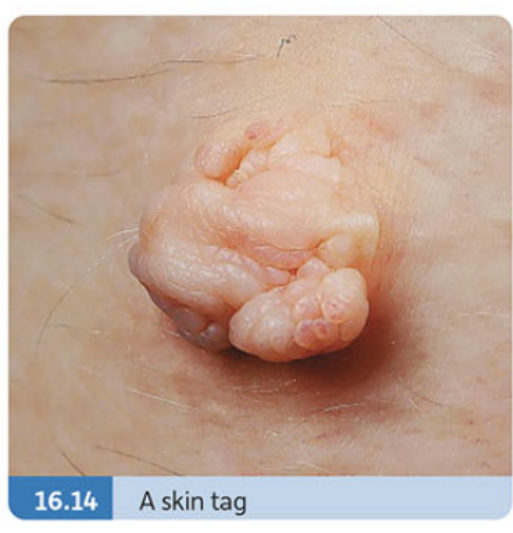
Common examples of benign tumours include warts (which are caused by a virus) and skin tags (small flaps of raised skin). Most breast tumours are actually benign. The good news is that benign tumours can usually be surgically removed with excellent outcomes.
Malignant tumours
Malignant tumours do not stop growing and are what we call cancer. These tumours are potentially life-threatening because they can invade other cells and tissues, and they can move from one place to another in the body.
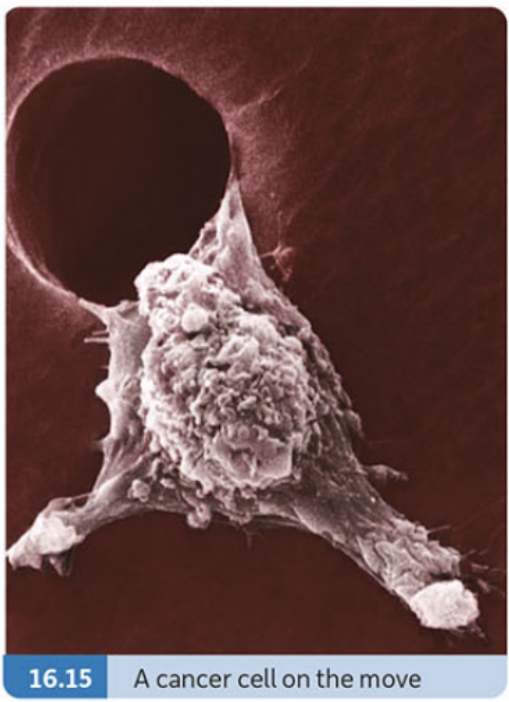
This movement or migration of malignant cells is called metastasis. Cancer cells can travel through the bloodstream or they can literally crawl from place to place within body tissues. Cancer cells continue to divide indefinitely, which is why scientists describe them as being 'immortal'.
Characteristics of normal cells
Normal, healthy body cells have the following important characteristics that maintain proper function:
- Controlled reproduction - they reproduce through mitosis when and where necessary, but mitosis stops when it should
- Proper attachment - they attach to each other in the right places in the body
- Self-destruction when needed - they self-destruct if they become damaged or too old
- Specialisation - they are specialised to carry out specific roles (such as muscle cells or red blood cells)
Cancer cells have different characteristics
Cancer cells behave very differently from normal cells and have several dangerous characteristics:
- Never stop growing and dividing - they ignore signals from other cells telling them to stop growing
- Don't stick together properly - this allows them to spread throughout the body
- Lose specialisation - they don't perform the specific functions they should
- Don't repair themselves or die - unlike normal cells that self-destruct when damaged, cancer cells continue existing even when faulty
- Look different - they have different appearances and chemical markers on their surfaces compared to normal cells
Note
Memory Aid: Cancer Cell Behaviour
Remember the "Four Don'ts" of cancer cells:
- Don't stop dividing
- Don't stick together properly
- Don't specialise in their function
- Don't die when they should
Causes of cancer
Cancers develop when normal genes are altered to form cancer-causing genes called oncogenes. These cancer-causing genes develop due to several different factors.
Infectious agents
Some viruses, bacteria and parasites are known to cause cancers. Worldwide, about 20% of all cancers are caused by infectious agents. A key example is the HPV (Human Papillomavirus) which is a leading cause of cervical cancer. Fortunately, there is now a vaccine available for HPV.
These infectious agents typically trigger cancer development when they:
- Alter genes that normally control cell division
- Cause chronic inflammation, which in turn can lead to cancer
- Suppress a person's immune system, which normally protects the body from cancer
Environmental factors
Environmental factors that can cause cancer are called carcinogens. Important examples include:
- Smoking cigarettes
- Excessive exposure to ultraviolet radiation from the sun
- Inhaling asbestos fibres
- Contact with pesticides
- Inhaling exhaust fumes
- Exposure to radon gas
Genetic susceptibility
Some people have genes which make them more likely to develop cancer or less able to fight off cancer if they get it. These genes may be inherited (about 10% of cases) but mostly arise from random mutations (90% of cases).
The risk of developing cancer increases with age due to the gradual build-up of mutations over time.
Important genes involved in cancer development include:
- BRCA1 and BRCA2 genes - having mutations in these genes means a person has a higher than normal risk of developing breast cancer or ovarian cancer
- p53 gene - this is a tumour suppressor gene and is the most commonly mutated tumour suppressor gene in people with cancer. This gene is missing or damaged in more than half of all cancers
Factors impacting cancer development
Non-controllable factors
These factors increase cancer risk but are difficult or impossible to control:
- Age - cancer risk increases with age
- Family history - some cancers can be inherited
- Reduced immunity - due to infection or certain medications
- High stress levels
- Inflammation in the body
- Exposure to carcinogens - sometimes unavoidable in certain environments
Controllable factors
These factors increase cancer risk but can be controlled through lifestyle choices:
- Smoking
- Being overweight
- Poor diet
- Lack of exercise
- Excessive alcohol consumption
- Over-exposure to sunlight
Prevention and treatment
Early detection
Spotting cancer at an early stage saves lives. When cancer is diagnosed while the tumour is still small and hasn't spread, treatment is much more likely to be successful. Each person knows their own body best, so any unexplained changes should be discussed with a doctor.
Important
Cancer Warning Signs - See Your Doctor If You Notice:
- A lump or swelling anywhere on the body
- Unusual bleeding
- Unexplained weight loss
- Persistent pain
- Long-lasting coughs, sores, indigestion, bloating or ulcers
- Unusual changes in toilet habits, moles or breasts
Remember: Early detection dramatically improves treatment outcomes!
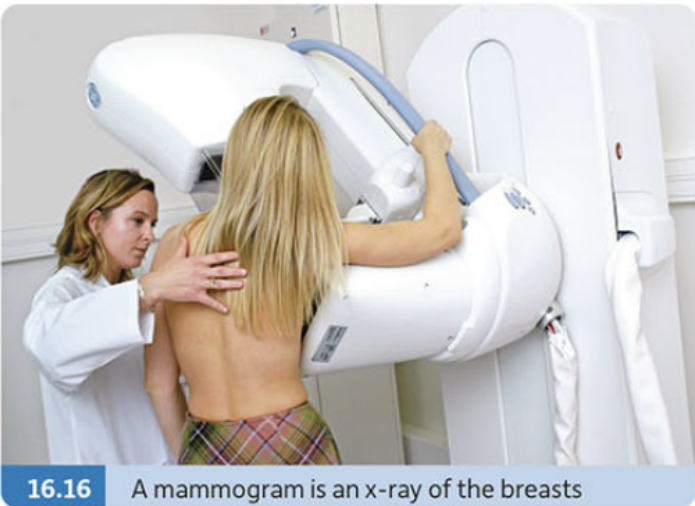
Many screening programmes exist to detect cancers early. These include mammograms for breast cancer, smear tests for cervical cancer, and colonoscopies and faecal tests for bowel cancers.
Treatment methods
The most common treatments for people with cancer include:
Surgery: An operation where doctors physically remove any cancerous tissue from the body.
Chemotherapy: This involves using chemicals or drugs that can slow or stop cancer cell growth, reduce tumour size, or kill cancer cells that remain after surgery. These medications are called 'cytotoxic drugs' because they kill fast-growing cells. They can be given as tablets or by injection, though they often cause side effects because they affect other fast-growing cells in the body.
Radiotherapy: Also called radiation therapy, this treatment uses high-energy rays (similar to X-rays) to kill cancer cells.
Immunotherapy: This is a newer treatment approach that boosts the immune system and helps it fight cancer more effectively. However, cancer can sometimes evade immune system attack because:
- The immune system isn't strong enough to kill all cancer cells
- Cancer cells produce signals (called checkpoints) that stop the immune system from attacking
- Cancer cells can hide from or escape the immune system
Immunotherapy addresses these problems by improving immune response, using checkpoint inhibitors, and boosting the immune system's ability to find and destroy cancer cells.
Vaccinations
A vaccine contains a non-disease-causing dose of a disease-causing organism that stimulates antibody production. There are two types of cancer vaccinations:
Preventive vaccines: These work by killing organisms that might cause cancer. The HPV vaccine is an excellent example of this type.
Treatment vaccines: These are created to contain chemicals found on cancer cells (but not on normal body cells). When injected, the vaccine helps the immune system target and kill cancer cells while leaving normal cells unharmed.
Lifestyle changes
People can significantly reduce their cancer risk by making healthy lifestyle choices:
- Avoid smoking completely
- Exercise regularly and maintain a healthy weight
- Eat a balanced diet with plenty of fruits and vegetables
- Reduce consumption of processed meats and alcohol
- Protect yourself from sun exposure by using high SPF sunscreens, wearing protective clothing, and avoiding excessive sun exposure
Summary
Key Points to Remember:
- Cancer is uncontrolled cell division - cancer cells lose the ability to control both the rate and frequency of mitosis
- Benign tumours are 'kind' and harmless - they stop growing and don't spread, while malignant tumours keep growing and can spread throughout the body (metastasis)
- Cancer has multiple causes - including infectious agents like HPV, environmental carcinogens, and genetic factors like BRCA1/BRCA2 mutations
- Early detection is crucial - regular screening and being aware of bodily changes greatly improve treatment success rates
- Prevention is the best approach - healthy lifestyle choices, vaccinations, and avoiding known carcinogens can significantly reduce your cancer risk