The Specific Defence System (The Immune System) (Leaving Cert Biology): Revision Notes
📚Revision Notes
The Specific Defence System (The Immune System)
- The specific defence system is activated when microorganisms get past the general defence system.
- It targets specific pathogens.
- Organs of the immune system, such as the lymphatic system, tonsils, lymph nodes, spleen, and thymus, store white blood cells called lymphocytes and monocytes to fight these invaders.
Antigens and Antibodies
Note
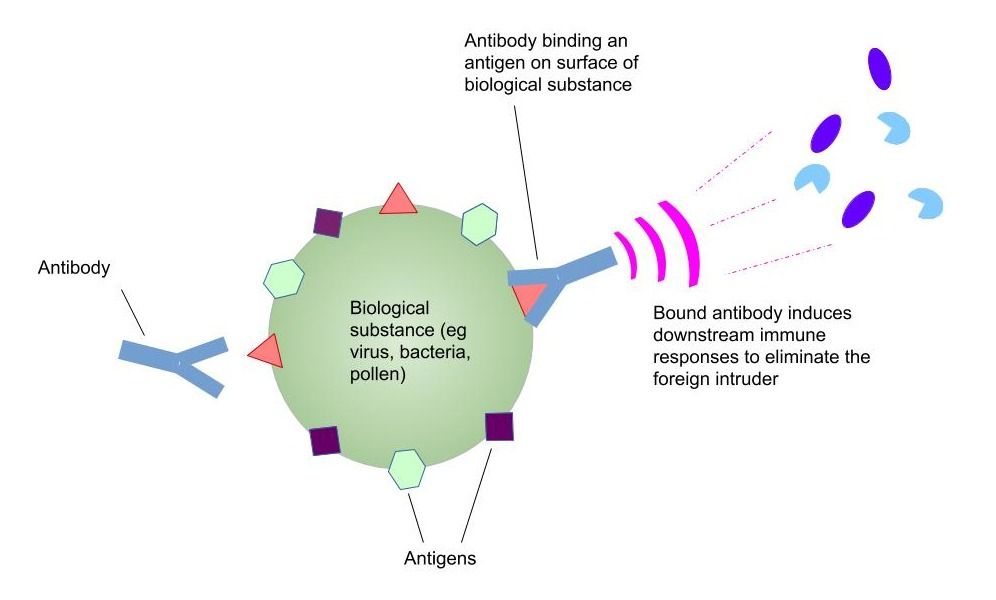
An antigen is a surface protein that stimulates the production of antibodies.
Note
An antibody is a protein produced by lymphocytes in response to an antigen.
- Antigens are found on:
- Bacterial cell walls, viral coats, and cancerous cells.
- Foreign cells such as pollen, incompatible blood transfusions, or transplanted tissue/organs.
- Monocytes recognise antigens on the surface of pathogens. They surround and digest pathogens.
- Once digested, the monocytes display the antigens on their outer surface.
- These displayed antigens stimulate lymphocytes to:
- Multiply rapidly.
- Produce large quantities of the correct antibody.
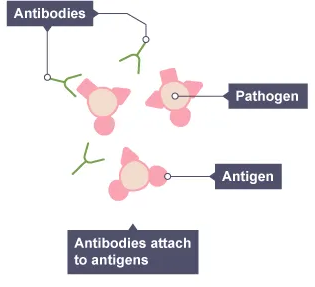
- There is an exact fit between part of the antibody and the antigen.
- Each antibody is specific to one antigen.
How Antibodies Inactivate Antigens
- Prevent Entry: Antibodies prevent bacteria and viruses (which carry the antigens) from entering cells. This allows phagocytes to destroy them.
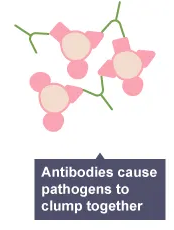
- Clumping: Antibodies cause antigen-containing cells to clump together, making it easier for phagocytes to destroy them.
- Trigger Complement System: Antibodies activate the complement system, which causes pathogen cells to burst.
Duration of Immunity
- After an infection, some lymphocytes remain in the body for an extended period.
- These lymphocytes can respond faster if the same antigen re-enters the body:
- Antibodies are produced much quicker (in 5 days instead of 14 days).
- Antibodies are produced in greater amounts in response to smaller quantities of the antigen.
Permanent vs Limited Immunity
- We gain permanent immunity to specific antigens.
- However, we can catch a cold or flu multiple times because there are multiple types of cold and flu viruses, each with a different shaped antigen, requiring a different antibody to combat it.
Problems Associated with the Antigen-Antibody Reaction
- Autoimmune Diseases:
- Sometimes, the body produces antibodies against its own tissues, mistaking them for pathogens.
- Examples include:
- Rheumatoid arthritis: The immune system attacks the joints, leading to inflammation and pain.
- Multiple sclerosis: The immune system attacks the myelin sheath of nerve cells, disrupting nerve signal transmission.
- Allergies:
- Occur when the immune system produces antibodies against harmless substances that should not be antigenic (e.g., pollen, dust, certain foods).
- Large amounts of histamine are released, causing symptoms such as swelling, redness, itching, and difficulty breathing.