Economic Variables (Leaving Cert Business): Revision Notes
📚Revision Notes
Economic Variables
Note
An economic variable is a measurable factor that reflects economic performance, such as inflation, interest rates, employment, exchange rates, and taxation.
Changes in economic variables can impact Businesses. This section will look at how economic variables impact Business.
Inflation
Inflation is the rate at which the general level of prices for goods and services rises, causing purchasing power to fall. Central banks attempt to limit inflation and avoid deflation to maintain economic stability.
Impact on Business:
- Sales: High inflation can reduce consumers' purchasing power, leading to lower sales as people can afford fewer goods and services.
- Costs: Businesses may face higher input costs as the prices of raw materials and wages increase.
- Consumer Confidence: High inflation can erode consumer confidence as people worry about rising prices and their ability to afford goods and services in the future.
Example: During periods of high inflation, such as the 1970s, Irish consumers experienced significant price increases, which led to decreased spending and sales for businesses. Companies faced higher costs for goods and labour, which squeezed profit margins.
Interest Rates
Interest rates are the cost of borrowing money, typically expressed as an annual percentage of the loan amount. They are set by central banks (e.g., the European Central Bank for Ireland) and influence economic activity.
Impact on Business:
- Sales: Higher interest rates can reduce consumer spending on big-ticket items like houses and cars, as borrowing costs are higher, leading to lower sales.
- Costs: Businesses with loans will face higher interest expenses, increasing overall costs.
- Consumer Confidence: High interest rates can reduce consumer confidence as borrowing becomes more expensive, leading to reduced spending and investment.
Example: In 2022, the Bank of England raised interest rates multiple times in response to rising inflation, partly driven by the economic disruptions caused by the war in Ukraine. The conflict led to increased energy and food prices, contributing to higher overall inflation. As a result, higher borrowing costs reduced consumer spending and business investment, affecting sales and increasing costs for businesses with existing loans. This also impacted consumer confidence, as people became more cautious about spending amidst economic uncertainty.
Employment
Employment refers to the condition of having a paid job. The employment rate is a measure of the percentage of the working-age population that is employed.
Impact on Business:
- Sales: High employment levels typically lead to increased consumer spending and higher sales as more people have disposable income.
- Costs: Low unemployment can lead to higher wages as businesses compete for workers, increasing costs.
- Consumer Confidence: High employment boosts consumer confidence as people feel secure in their jobs and are more willing to spend money.
Example:
During the Celtic Tiger years, Ireland experienced low unemployment rates, which boosted consumer spending and confidence. Businesses saw increased sales, although they also faced higher wage costs due to the competitive labour market.
Exchange Rates
Exchange rates are the value of one currency for the purpose of conversion to another. They determine how much of one currency you can exchange for another and are influenced by factors like interest rates, inflation, and economic stability.
Impact on Business:
- Sales: A strong domestic currency makes exports more expensive and imports cheaper, which can reduce sales for export-oriented businesses but benefit those relying on imported goods.
- Costs: Fluctuating exchange rates can affect the cost of imported goods and raw materials, impacting business costs.
- Consumer Confidence: Volatile exchange rates can affect consumer confidence, especially if they lead to inflation or affect the cost of living.
Example:
The Brexit referendum in 2016 led to a significant depreciation of the British pound. This made UK exports cheaper and more competitive abroad but increased the cost of imported goods, affecting businesses reliant on imports.
Taxation
Taxation is the process by which a government collects money from individuals and businesses to fund public services. Taxes can include income tax, corporate tax, VAT, and others.
Impact on Business:
- Sales: Higher taxes can reduce disposable income for consumers, leading to lower sales.
- Costs: Businesses have to pay various taxes, which can increase their operating costs.
- Consumer Confidence: High taxes can reduce consumer confidence as people have less money to spend.
Example:
In the UK, changes to VAT rates, such as the increase from 17.5% to 20% in 2011, affected consumer spending patterns. Higher VAT led to reduced disposable income and decreased sales for many businesses, while also increasing operational costs due to higher tax liabilities.
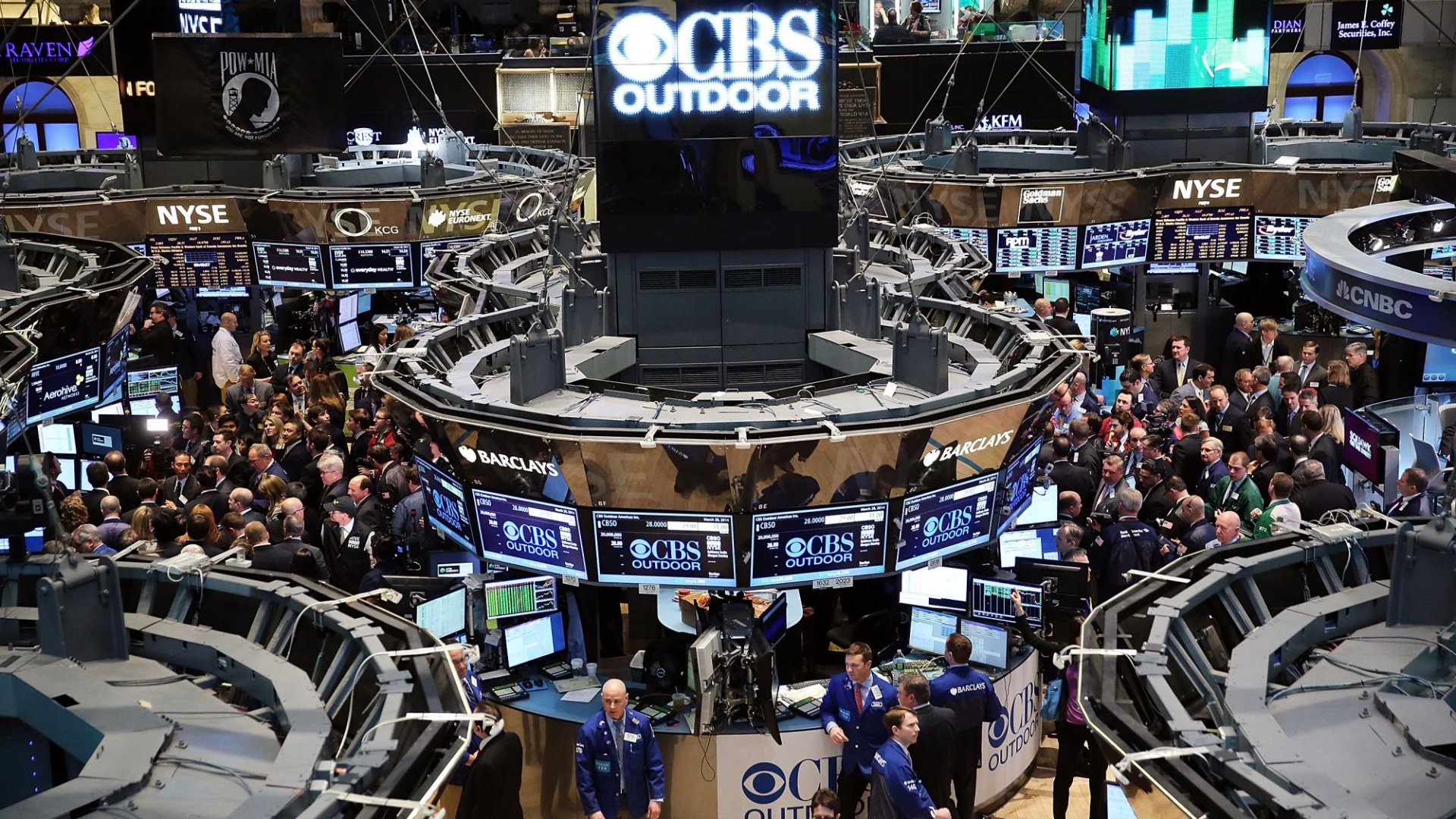
*The New York Stock Exchange. Business and the Economy are linked to and effect each other. *