The Erechtheion (Leaving Cert Classical Studies): Revision Notes
📚Revision Notes
The Erechtheion
Overview and historical context
The Erechtheion stands as one of Athens' most sacred and architecturally unique temples, constructed between 421-406 BC on the northern side of the Acropolis. This temple served as a religious centre dedicated to Athena Polias (Athena of the City) alongside other important local deities including Poseidon, Erechtheus, and Hephaestus.
What makes this temple particularly fascinating is its asymmetrical layout - highly unusual for Greek temple architecture. This irregular design resulted from the need to incorporate multiple sacred cult sites and ancient religious relics within a single structure, making it fundamentally different from the more conventional Parthenon nearby.

Note
The Erechtheion's unique asymmetrical design was not a stylistic choice but a practical necessity. The architects had to work around pre-existing sacred sites that could not be moved or altered, creating one of the most architecturally complex temples in the ancient world.
Architectural features and design
Key structural elements
The Erechtheion showcases several distinctive architectural components that set it apart from typical Greek temples:
The Naos (inner chamber) housed the most precious religious artefact - an ancient wooden cult statue of Athena that was believed to have fallen from heaven. This statue was central to Athenian religious life and received special care from the priestess.
The temple features two main porches with very different characteristics:
- The North Porch displays grand Ionic columns and served as the primary entrance to the sacred areas within the temple
- The South Porch, famously known as the Porch of the Caryatids, features six elegantly carved female figures (caryatids) who support the roof structure instead of traditional columns

Important
The Caryatids are not merely decorative - they are load-bearing architectural elements that actually support the weight of the roof. This innovative use of sculptural figures as functional architecture was groundbreaking in ancient Greek design.
Architectural style and innovation
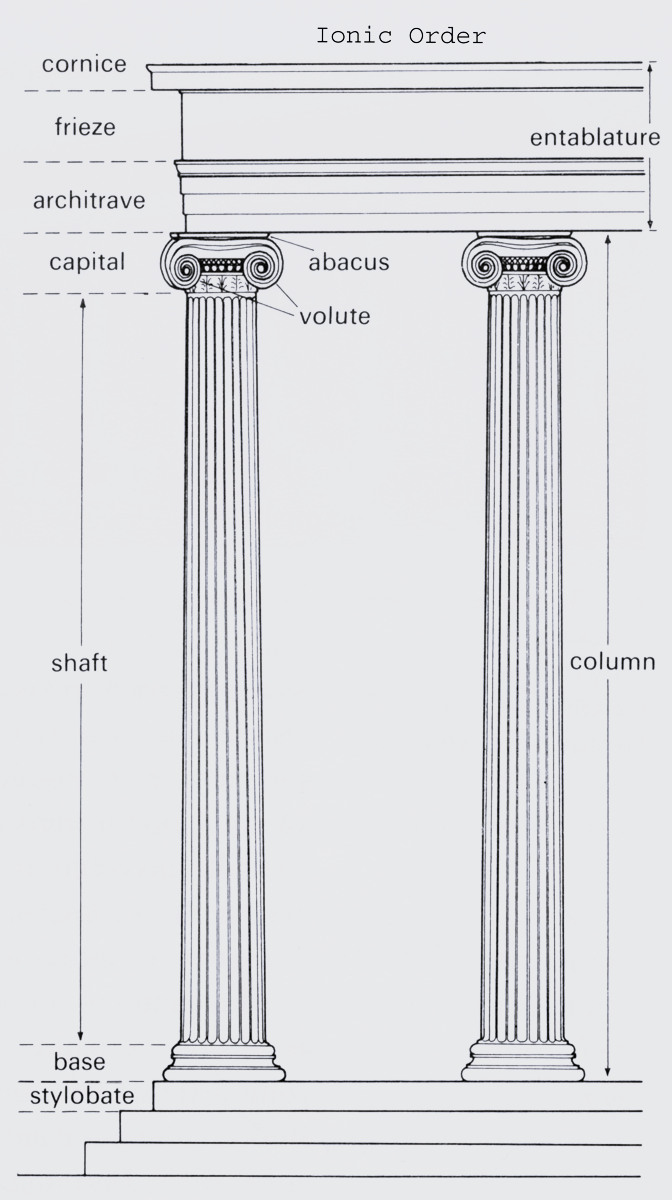
The entire temple demonstrates the Ionic order of architecture, characterised by slender columns, intricately carved bases, and decorative friezes. The building was constructed with multiple levels to adapt to the uneven terrain of the Acropolis, with this design choice reflecting the sacred geography of the site.
Note
The Ionic order, originating from the Greek islands and Asia Minor, was considered more elegant and decorative than the sturdy Doric order. Its use in the Erechtheion reflects Athens' cosmopolitan nature and artistic sophistication during the height of its power.
Religious significance and sacred associations
The Erechtheion held profound religious meaning for ancient Athenians, connecting them to their city's founding myths and divine protection. The temple housed several sacred relics that told the story of Athens' origins.
Mythological connections
According to ancient tradition, this site witnessed the legendary contest between Athena and Poseidon for patronage of Athens. The temple preserved physical evidence of this mythical event - Athena's sacred olive tree and the saltwater well created by Poseidon's trident strike. As Herodotus recorded: "Athena planted the olive tree as a gift to the Athenians."
These sacred objects gave worshippers a tangible connection to their city's divine origins and Athena's victory over Poseidon, which legitimised her role as Athens' patron goddess.
Important
The contest between Athena and Poseidon was more than mythology for ancient Athenians - it was the foundational story that justified their city's name, their patron deity, and their political authority in the Greek world. The physical "evidence" preserved in the Erechtheion made this myth feel historically real to visitors.
Visitor experience and atmosphere
The Erechtheion created a more intimate and sacred atmosphere compared to the monumental grandeur of the Parthenon. The irregular floor plan and multiple cult focuses provided worshippers with a sense of connection to divine history rather than simply inspiring awe through architectural magnificence.
As the ancient travel writer Pausanias noted: "Here is the temple they call the Erechtheion; inside is the wooden image of Athena."
Religious officials and temple community
Key religious roles
The temple's complex religious functions required various officials and participants:
The Priestess of Athena Polias held one of Athens' highest religious offices and was responsible for tending the ancient wooden statue. This position carried enormous prestige and religious authority.
Priests of Poseidon-Erechtheus and Hephaestus shared responsibilities within this multi-deity complex, reflecting the temple's role in housing multiple sacred traditions.
Magistrates and civic officials oversaw temple offerings and maintained the sacred relics, ensuring proper religious protocols were followed.
Note
The Priestess of Athena Polias was always chosen from one of Athens' most aristocratic families and served for life. Her responsibilities included maintaining the sacred flame, caring for the ancient wooden statue, and overseeing the weaving of Athena's sacred peplos during the Panathenaea festival.
Community participation
Athenian citizens participated actively in temple rituals, particularly those connected to Athena's protection of their city. Women played a central role in temple life, especially in weaving the peplos (sacred robe) for Athena during the Panathenaea festival, which was later presented at the Erechtheion.
Visitors and pilgrims approached the famous Caryatids and other architectural features with reverence, as these elements reinforced Athenian civic identity and religious devotion.
Political and civic importance
Symbol of Athenian identity
The Erechtheion carried greater religious significance than even the Parthenon because it housed Athens' most ancient and sacred objects. This made it central to Athenian mythological identity - the temple embodied the founding myth of Athens through Athena's victory over Poseidon.
The Caryatids became powerful symbols representing the strength and grace of Athenian women, successfully blending civic pride with religious imagery. These sculptural figures demonstrated Athens' artistic achievements while maintaining deep spiritual meaning.
Political messaging
Even during the challenging period of the Peloponnesian War, Athens continued constructing this refined temple, sending a clear message about the city's resilience and cultural sophistication. The Erechtheion formed part of the broader Periclean building programme that reinforced Athenian dominance and religious prestige throughout the Greek world.
Important
The decision to continue building the Erechtheion during wartime was a bold political statement. It demonstrated that Athens remained confident in its divine protection and cultural superiority, even when facing military challenges from Sparta and its allies.
Exam preparation tips
Key contrasts to remember
Example
Comparison Example: Erechtheion vs Parthenon
Parthenon characteristics:
- Represents grandeur and civic pride
- Combines Doric and Ionic elements
- Symmetrical, conventional design
- Monumental scale to inspire awe
Erechtheion characteristics:
- Focuses on sacred relics and intimate worship
- Purely Ionic elegance
- Irregular, asymmetrical design
- Personal connection to divine history
Important architectural terminology
Master these key terms: Caryatids (female supporting figures), Ionic order (column style), naos (inner chamber), porch (covered entrance area).
Note
When discussing architectural terms in exams, always explain their function as well as their appearance. For example, don't just say "Caryatids are female figures" - explain that they are "load-bearing sculptural columns in the form of draped female figures."
Connecting myth to politics
Remember the connection between Athena's olive tree versus Poseidon's trident as a symbol of Athens' divine legitimacy and political authority.
Understanding different experiences
Emphasise how the Parthenon inspired awe through monumentality, while the Erechtheion offered a more intimate, sacred experience rooted in ancient myths and traditions.
Summary
Key Points to Remember:
- The Erechtheion (421-406 BC) was architecturally unique with its asymmetrical design incorporating multiple sacred sites
- The famous Caryatids combined functional architecture with artistic beauty, symbolising Athenian women's strength
- This temple housed Athens' most sacred relics including Athena's olive tree and ancient wooden statue
- The building served both religious and political purposes, reinforcing Athenian identity and divine legitimacy
- Its intimate atmosphere contrasted with the Parthenon's monumental grandeur, offering worshippers a personal connection to divine history