Heroes, Heroines & Leaders (Leaving Cert Classical Studies): Revision Notes
📚Revision Notes
Heroes, Heroines & Leaders
Characteristics of Greek and Roman heroes, heroines and leaders
Understanding the different types of heroic figures in Homer's Odyssey and Virgil's Aeneid is essential for grasping how these epic poems reflect their respective cultures. Each character embodies particular values and demonstrates unique leadership qualities that reveal the differences between Greek and Roman ideals.
Heroes from the Odyssey
Odysseus stands as the quintessential Greek hero, earning the epithet polymetis (meaning "man of many wiles"). His character represents the Greek admiration for cleverness and adaptability. Odysseus demonstrates remarkable bravery and endurance throughout his long journey home, yet his personality contains notable flaws, particularly his pride and occasional recklessness. Homer introduces him with the famous line: "Sing to me of the man, Muse, the man of twists and turns" (Book 1).
Example
Character Analysis: Odysseus as the Clever Hero
Odysseus embodies the Greek ideal of intelligence over brute force:
- Epithet: polymetis (man of many wiles)
- Key traits: Cleverness, adaptability, pride
- Famous quote: "Sing to me of the man, Muse, the man of twists and turns"
- Represents: Individual glory and strategic thinking
Penelope emerges as an intelligent and resourceful heroine who demonstrates loyalty through her long wait for Odysseus. Her famous weaving trick, where she unravels her work each night to delay choosing a new husband, showcases her cunning and determination to remain faithful.
Telemachus represents the coming-of-age journey, transforming from a passive young man into an emerging leader who learns to take responsibility for his household and kingdom.
Heroes from the Aeneid
Aeneas embodies the Roman ideal of pietas, which encompasses duty to the gods, family, and destiny. Unlike the more individualistic Greek heroes, Aeneas consistently sacrifices his personal happiness for the greater good of his people and Rome's future. Virgil emphasises this with the description: "Pious Aeneas... bore his father upon his shoulders" (Book 2).

Example
Character Analysis: Aeneas as the Dutiful Hero
Aeneas represents the Roman ideal of sacrifice for collective good:
- Key concept: pietas (duty to gods, family, destiny)
- Key traits: Duty, sacrifice, commitment to destiny
- Famous quote: "Pious Aeneas... bore his father upon his shoulders"
- Represents: Roman values and Augustan propaganda
Dido represents a tragic heroine who possesses strong leadership abilities but ultimately becomes ruled by passion. Her character serves as both an admirable queen and a cautionary tale about the dangers of letting emotions override duty.
Turnus appears as a brave warrior driven by fury and passion, representing the old heroic values that must give way to Rome's destined rule.
Note
The contrast between Greek and Roman heroes reflects broader cultural differences: Greeks celebrated individual achievement and kleos (glory), while Romans emphasised collective duty and imperial destiny.
Abilities: strength, intelligence and verbal skills
The heroes and heroines of these epics demonstrate that leadership requires more than physical prowess. Their various abilities reveal different approaches to overcoming challenges and achieving goals.
Intelligence over strength
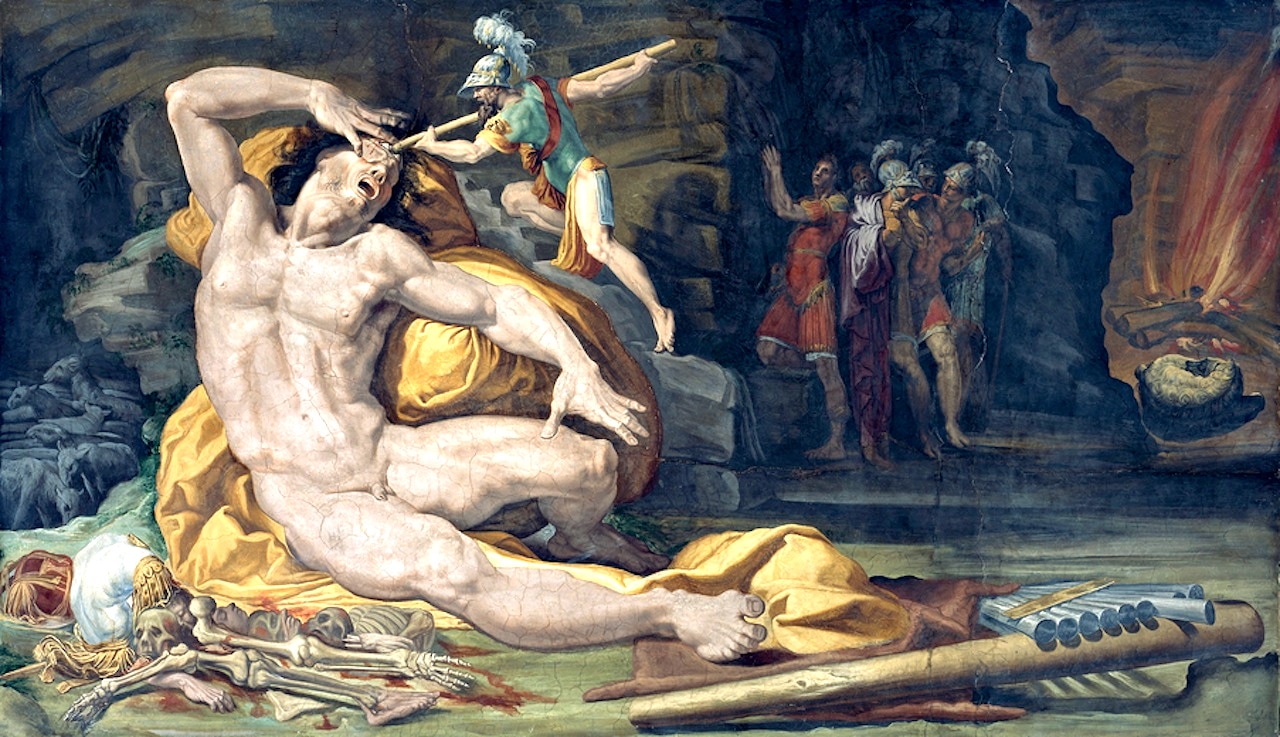
Odysseus relies primarily on his mental agility rather than brute force to solve problems. His famous "Nobody" trick against Polyphemus in Book 9 demonstrates how cleverness can triumph over raw power. Additionally, his persuasive speaking abilities prove crucial, particularly in his speeches to the Phaeacians (Books 8-9) when he wins their support for his journey home.
Aeneas combines physical strength with dutiful leadership, but his true power lies in his unwavering commitment to Rome's destiny. The Shield of Aeneas in Book 8 symbolically depicts Rome's future greatness, showing how his personal mission connects to something larger than himself.
Penelope demonstrates that intelligence can be just as effective as physical strength in controlling one's fate. Rather than relying on force, she uses her wit and patience to maintain control over her household and preserve her marriage.
Important
Critical Insight: Intelligence as True Heroic Power
The most successful characters in both epics achieve their goals through mental prowess rather than physical strength. This represents a sophisticated understanding of leadership that values strategic thinking over mere warrior capabilities.
Leadership through words and actions
Dido proves herself a skilled orator and leader, yet she becomes overwhelmed by her emotions when she falls in love with Aeneas. This contrast highlights how even capable leaders can struggle when personal feelings conflict with their responsibilities.
The characters' own words reveal their different approaches to leadership. Odysseus boldly declares "My name is Nobody" when he needs to deceive, while Aeneas resignedly states "I sail for Italy not of my own free will" (Book 4), showing his acceptance of divine will over personal desire.
Decision-making of epic leaders
The way these characters make crucial decisions reveals their fundamental values and demonstrates the consequences of different leadership styles.
Balancing personal and collective needs
Odysseus often faces decisions that pit his personal pride against his crew's safety. Sometimes his ego leads him into unnecessary danger, such as when he taunts Polyphemus and reveals his true name, bringing down Poseidon's wrath upon his men.
Aeneas consistently prioritises destiny and collective good over personal happiness. His difficult decision to leave Dido, despite his deep feelings for her, demonstrates his commitment to Rome's future. His declaration "Italian non sponte sequor" ("I go to Italy not of my own free will") captures this sense of duty overriding personal choice.
Example
Decision-Making Comparison: Pride vs Duty
Odysseus's approach:
- Reveals his name to Polyphemus out of pride
- Consequence: Brings Poseidon's curse upon his crew
- Quote: "Cyclops, if any man should ask who blinded you, say Odysseus of Ithaca"
Aeneas's approach:
- Leaves Dido to fulfil his destiny
- Consequence: Personal pain but Rome's future secured
- Quote: "I sail for Italy not of my own free will"
Protective and passionate choices
Penelope makes her decisions based on protecting her household and son while remaining faithful to Odysseus. Her strategy of delaying the suitors until her husband's return shows both loyalty and practical wisdom.
Dido's choices stem from passion rather than duty, which ultimately leads to her downfall. Her decision to pursue her feelings for Aeneas, while understandable on a human level, conflicts with her responsibilities as a queen and results in tragedy.
Modern relevance of epic leaders
These ancient characters continue to resonate with contemporary audiences because they embody timeless leadership challenges and human struggles.
Contemporary parallels
Modern readers admire Odysseus for his resilience, adaptability, and intelligence - qualities highly valued in today's rapidly changing world. His ability to think creatively and adapt to new situations mirrors the skills needed by modern strategic thinkers and crisis managers. However, his flaws of pride and occasional deception also make him a realistic, relatable figure rather than an impossible ideal.
Aeneas appeals to those who value selflessness and dedication to a larger cause. Modern leaders who prioritise collective benefit over personal gain often draw comparisons to Aeneas's character. Critics sometimes view him as overly cold or unfeeling, but supporters see his commitment as admirable and necessary.
Penelope serves as a model of loyalty and perseverance that remains relevant for anyone facing long-term challenges requiring patience and inner strength. Her example resonates particularly with those who must maintain stability while others are absent or unavailable.
Dido represents the complex challenges faced by women leaders who must balance power, love, and vulnerability. Her story reflects ongoing discussions about how female leaders navigate professional responsibilities alongside personal relationships.
Timeless leadership lessons
These characters demonstrate that effective leadership can take many forms. Odysseus shows us that adaptability and strategic thinking can overcome seemingly impossible obstacles. Aeneas teaches that sometimes leaders must make personal sacrifices for the greater good. Penelope illustrates how quiet strength and patience can be as powerful as dramatic action. Dido reminds us of the importance of maintaining perspective and not letting emotions completely override judgement.
Note
These ancient heroes remain relevant because they face universal leadership dilemmas: How do we balance personal desires with responsibilities? When should we adapt our approach versus staying committed to our principles? How do we maintain integrity while achieving necessary goals?
Conformity and challenge to social and political norms
The heroes and heroines of these epics both reflect and question the social expectations of their respective cultures, making them complex figures who embody both conformity and rebellion.
Greek values and challenges
Odysseus reflects Greek admiration for cleverness and individual achievement, yet he sometimes challenges social norms through deceptive behaviour rather than always acting honourably. His willingness to use trickery shows both the Greek appreciation for intelligence and a more ambiguous attitude towards traditional concepts of honour.
Penelope generally conforms to Greek ideals of loyalty and faithfulness, but she also challenges expectations through her cleverness and ability to manipulate the situation with her weaving trick and bed test. She demonstrates that women could exercise agency even within restrictive social structures.
Roman ideals and tensions
Aeneas perfectly embodies Roman ideals of pietas and sacrifice, conforming completely to Augustan propaganda about duty and destiny. His character represents the ideal Roman leader who puts state before self, making him a model for Augustus's political agenda.
Dido presents a more complex case, as she challenges Roman ideals by following passion over duty. Her power as a female leader is initially admirable, but her ultimate downfall serves as a warning about the dangers of prioritising personal desires over political responsibilities.
Turnus reflects traditional warrior values but resists Rome's destined rule, showing the futility of opposing empire and change. His character demonstrates how individual heroism must eventually yield to larger historical forces.
Revealing quotes
The characters' own words illuminate their relationships to social norms. Odysseus's boastful declaration to the Cyclops - "Cyclops, if any man should ask who blinded you, say Odysseus of Ithaca" - shows both pride and the Greek value of earning fame through bold actions.
Penelope's cryptic reference to "This secret sign of our bed is known to us alone" demonstrates her fidelity and cleverness while challenging anyone who might doubt her identity or loyalty.
Important
Essential Exam Strategy
When analysing these heroic figures in your exams, keep these strategies in mind:
Compare Greek and Roman ideals directly. Remember that Odysseus represents cleverness, individualism, and kleos (glory), while Aeneas embodies duty, sacrifice, and pietas. This fundamental difference helps explain their different actions and decisions throughout their respective epics.
Examine the heroines carefully. Consider how Penelope and Dido represent different models of female leadership - Penelope demonstrates loyalty versus passion, and she serves as an ideal wife compared to Dido's role as a tragic queen. These contrasts reveal important themes about gender roles and power in ancient literature.
Use focused, short quotations to support your arguments about different leadership styles. Well-chosen quotes can effectively highlight the differences between characters and their approaches to challenges.
Evaluate modern relevance thoughtfully. Consider whether these heroes remain "admirable" for contemporary audiences, and discuss how they might inspire or disappoint modern readers. This shows your ability to think critically about the texts' enduring significance.
Demonstrate cultural awareness by showing you understand the difference between Homer's oral tradition, which celebrated individual glory and achievement, and Virgil's work as Augustan propaganda designed to promote Roman values of duty and imperial destiny.
Summary
Key Points to Remember:
-
Greek heroes like Odysseus prioritise individual cleverness and glory, while Roman heroes like Aeneas emphasise duty and collective good - this fundamental difference drives most of their actions and decisions throughout their stories.
-
Intelligence often proves more valuable than physical strength - Odysseus's success with the "Nobody" trick and Penelope's weaving strategy show how mental agility can overcome seemingly impossible challenges.
-
Leadership styles have real consequences - Odysseus's pride sometimes endangers his crew, while Aeneas's sense of duty requires him to sacrifice personal happiness, and Dido's passion-driven decisions lead to her downfall.
-
These ancient characters remain relevant today because they demonstrate timeless leadership challenges like balancing personal desires with responsibilities, adapting to change, and making difficult moral choices.
-
All these heroes and heroines both conform to and challenge their societies' expectations, making them complex figures who reveal important truths about human nature and the relationship between individual desires and social demands.